Air transportation logistics is the process of planning, managing, and executing the shipment of goods through air freight. It includes everything from booking the flight to preparing documents, coordinating with customs, and tracking packages in real time.
In my three and a half decades of running Tri-Link FTZ, I’ve seen how this method of shipping can be the deciding factor in whether a supply chain runs smoothly—or falls apart. What sets air transportation logistics apart is its ability to deliver quickly across vast distances.
Whether it’s perishable food from California to Tokyo, or urgent auto parts from Detroit to Frankfurt, air gets it there fast. And while speed is a headline feature, there’s more to it.
Security, traceability, and minimal exposure to risk all make air freight a preferred solution for businesses with tight timelines or valuable cargo.
In the logistics world, we often talk about balancing cost and time. If you’re shipping by sea, you’re saving money, but losing days—or weeks.
Road freight is flexible but limited by geography. Rail has its strengths but doesn’t work everywhere.
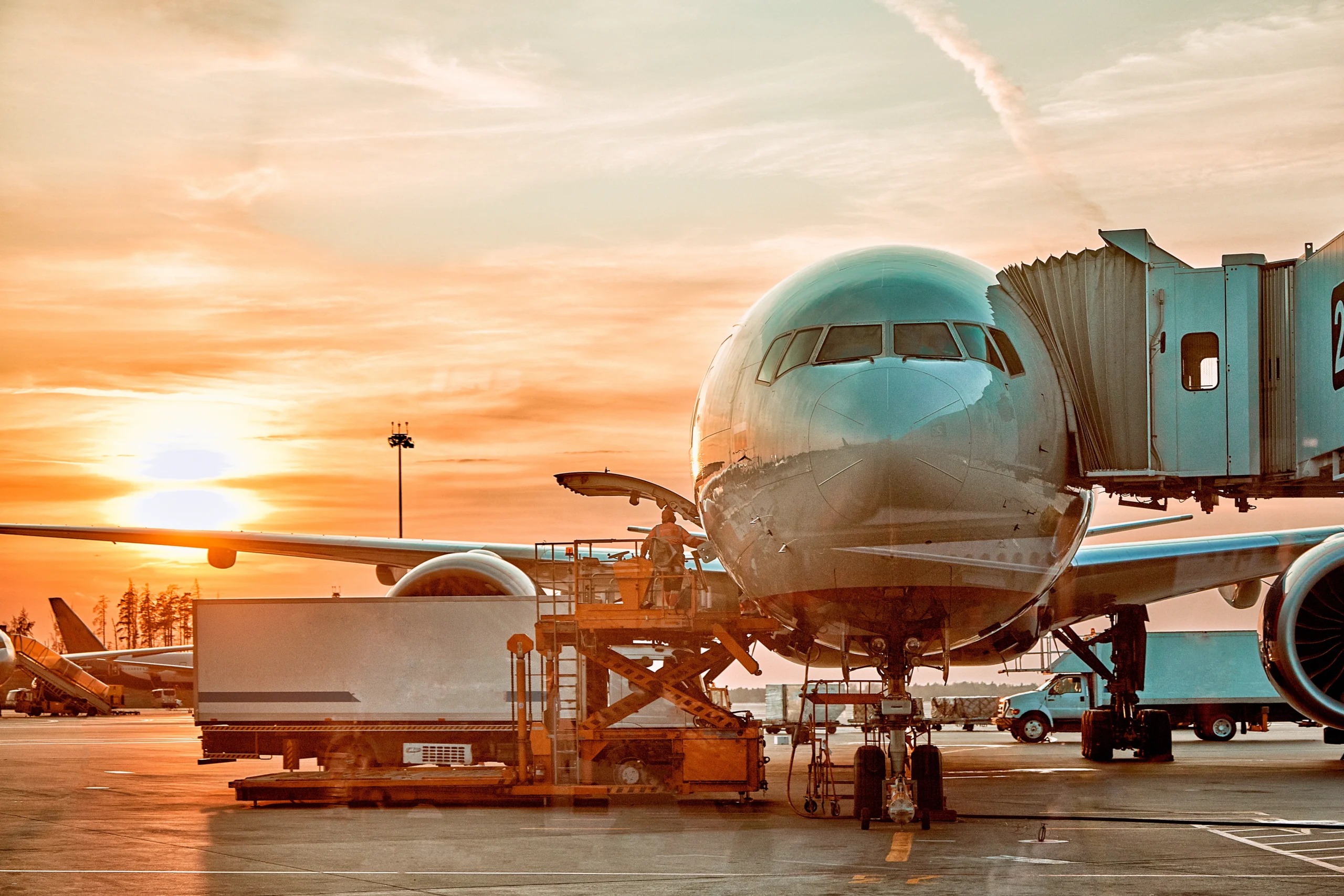
But when your shipment absolutely has to arrive on time, air transportation logistics is your go-to. At Tri-Link FTZ, we’ve supported clients moving delicate electronics and medical devices that couldn’t afford even a 12-hour delay.
Air cargo meant delivery in under 48 hours, from warehouse to hospital dock. That speed doesn’t just serve operations—it can literally save lives.
Air freight also handles customs processes faster in many countries, and it’s less prone to the port congestion that we often deal with in ocean freight. Read more here.
After 35 years of helping clients choose the right mode of transport, I’ve seen patterns. Some industries are a perfect match for air.
If you’re in e-commerce and shipping premium goods globally—think fashion or gadgets—you’ll likely need the speed and reliability air provides. If you’re in the pharmaceutical business, temperature control and rapid delivery aren’t just nice to have, they’re essential.
Tech manufacturers who operate on just-in-time production schedules often depend on air transportation logistics to avoid halts. The same goes for aerospace and automotive suppliers moving high-value components internationally.
And of course, when we’ve worked with government agencies or NGOs on disaster relief, air was the only realistic option to move supplies fast.
I won’t sugarcoat it—air freight comes at a cost. But it delivers value that’s hard to replicate.
On the upside, your cargo arrives faster, safer, and with tighter tracking than any other method. Reduced handling means fewer chances of damage or theft, and better packaging standards help protect goods.
Your insurance premiums are often lower, and many carriers offer direct-to-terminal services.
The downside? It’s not meant for heavy or oversized cargo.
And during peak seasons—especially around holidays—rates can spike dramatically. Then there’s the environmental footprint, which is higher compared to sea or land freight.
But the industry is addressing that with carbon offsets and sustainable aviation fuel programs. It’s about choosing the right tool for the job.
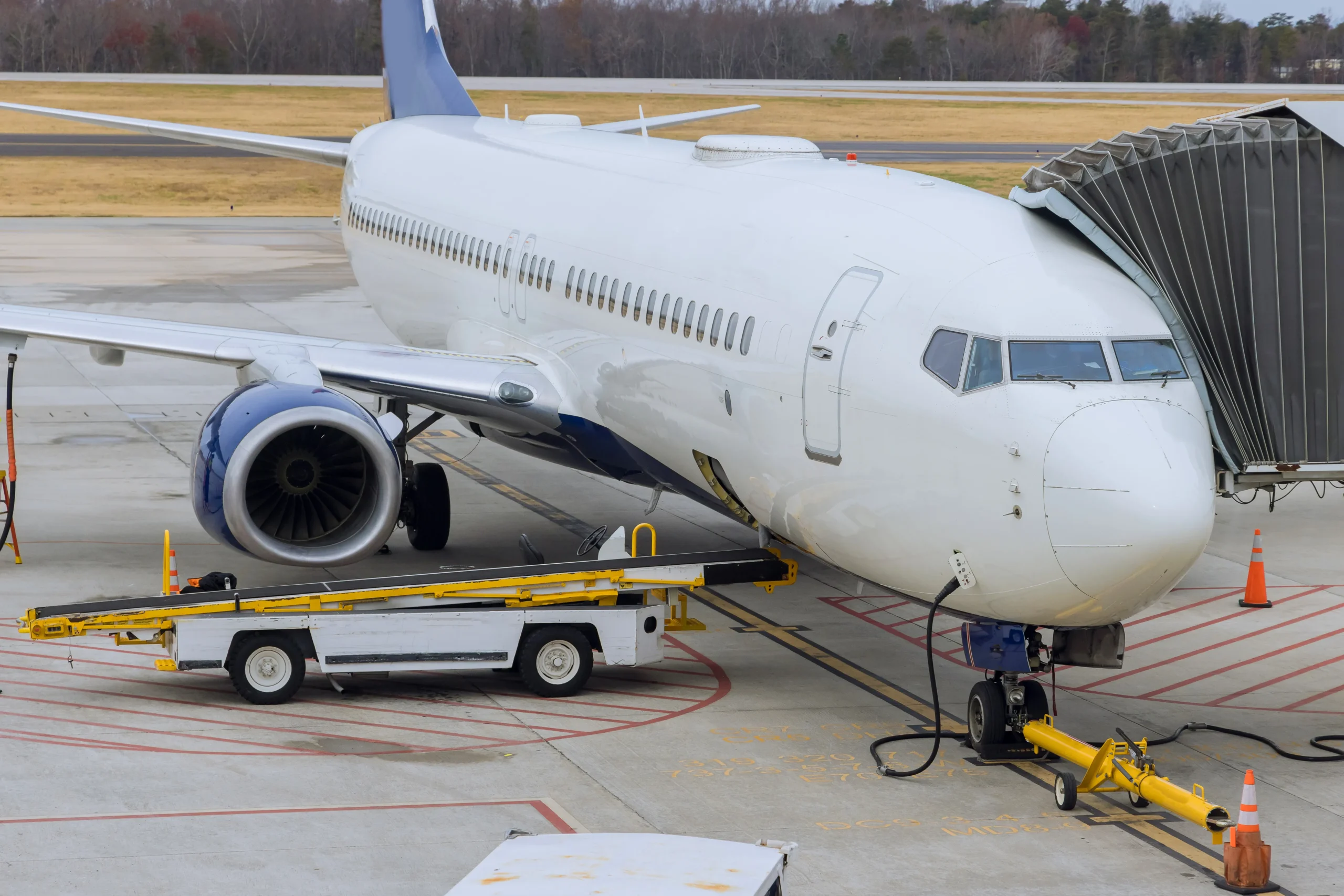
Selecting the right partner for air transportation logistics is like hiring a great employee—you want trust, expertise, and dependability. At Tri-Link FTZ, we vet our carriers and partners thoroughly.
Look for companies with IATA certification and a proven track record in your specific cargo type. Handling fresh produce is a whole different challenge than moving lithium batteries.
You also want transparency—can your provider offer real-time updates? Do they simplify customs paperwork?
Are they backed by a responsive team that actually answers when you call? We’ve made it our standard to ensure clients can track every shipment through a central dashboard, which reduces stress and improves planning on their end.
The cost structure in air logistics isn’t as straightforward as people think. It’s not just “how far” or “how heavy.”
One of the most misunderstood elements is chargeable weight, which compares your package’s actual weight to its dimensional weight—whichever is higher gets billed. That’s why packaging optimization is huge.
Here’s a simplified table that explains key cost drivers:
Cost Factor | Impact |
Weight vs. Volume | Charges based on whichever is greater |
Distance | Longer flights = higher base cost |
Fuel Surcharges | Fluctuates with oil prices |
Cargo Type (e.g. hazardous) | Special handling increases cost |
Urgency | Express flights charge a premium |
Planning around these variables is where good logistics management adds real value. At Tri-Link FTZ, we often help clients reconfigure packaging or choose alternative airports to keep pricing competitive.
Sustainability is no longer optional—it’s a requirement. While air freight does produce higher emissions, the industry is working toward greener practices.
We’ve partnered with carriers offering carbon-neutral shipping options, and more clients are asking us about sustainable aviation fuels (SAFs). Efficiency is another path to sustainability.
Consolidating cargo, using deferred shipping when possible, and leveraging direct flights help reduce unnecessary emissions. We recently ran a pilot program using route optimization software that cut fuel usage by 14% over two quarters.
That’s not just good for the planet—it’s good for the budget.
One of the most rewarding experiences I’ve had was helping a medical supplier deliver ventilator parts to Brazil during the early days of the pandemic. Every minute mattered.
Our team coordinated overnight pickup, immediate customs pre-clearance, and secured a dedicated cargo spot. That shipment arrived within 36 hours—and made a difference.
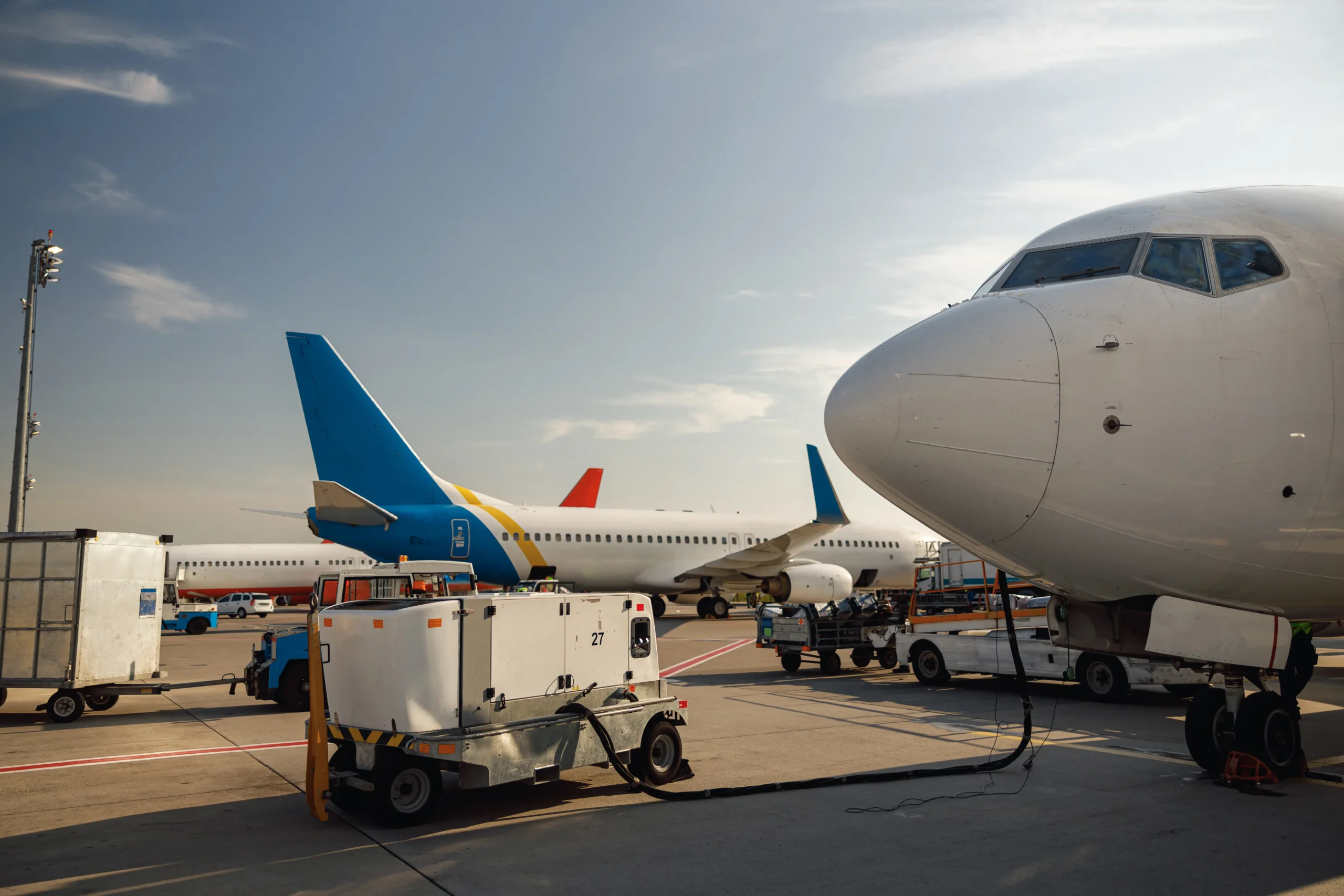
Managing urgent air shipments takes more than speed. You need coordination between pickup, documentation, customs, flight scheduling, and final-mile delivery.
Every handoff needs to be precise. This is where the right logistics team—one that understands air transportation logistics from end to end—can really shine.
Air doesn’t operate in a vacuum. To get full value, it needs to connect with other parts of your supply chain.
That’s why our clients lean on us to build multimodal strategies. We combine air freight with ground transport, drayage, bonded warehouse storage, and even ocean when needed.
For example, we helped a retail client who was expanding into Europe ship inventory by sea for base stock, while keeping backup products on air-ready status. When demand spiked, air freight picked up the slack.
That’s the kind of flexibility a modern logistics strategy needs. You don’t always need to fly everything.
But knowing when to use air—and how to balance it with other services—gives you a competitive edge. Read more here.
At Tri-Link FTZ, we’ve spent 35 years navigating complex logistics problems—and helping clients find smart, scalable solutions. Air transportation logistics isn’t just about moving goods quickly.
It’s about making informed, strategic decisions that support your operations and your customer promise. Whether you’re dealing with a critical shipment or looking to optimize long-term freight flows, air logistics can be a powerful part of the picture.
It’s fast. It’s reliable.
And when handled well, it can even be cost-effective. If you’re exploring how to make air freight work within your supply chain, let’s talk.
We’re here to help you fly smarter.
Share this article