At Tri-Link FTZ, we’ve spent 35 years living and breathing the heartbeat of supply chain logistics. One of the most essential—and often overlooked—roles in our industry is pallet transport.
So what are pallet transport jobs exactly? In simple terms, these are positions that focus on the movement of goods stacked on pallets, using forklifts, pallet jacks, trucks, and other equipment to get them from Point A to Point B.
This is the muscle behind modern logistics. Whether you’re hauling beverage pallets for a retail store or loading machines into a freight zone, this work supports nearly every product movement in our economy.
It’s not a desk job, but it’s incredibly rewarding for people who like hands-on work and a fast pace. Without professionals in pallet transport jobs, the global supply chain would grind to a halt.

There’s no shortage of companies looking to hire people for pallet transport roles. At Tri-Link FTZ, we’ve partnered with all types of clients—from national shipping carriers to regional distributors.
You’ll find pallet transport jobs posted by Amazon, FedEx, and smaller third-party logistics providers like us. Businesses that deal in bulk, such as food suppliers, electronics retailers, and even construction material providers, rely heavily on pallet movers and handlers.
These positions are available at fulfillment centers, regional hubs, and local delivery facilities alike. More and more companies are also relying on seasonal labor and contract drivers, which opens up flexible opportunities for people with varying schedules and levels of experience.
If you’re wondering where to look, start with job boards, staffing agencies, and the career pages of 3PL companies.
One of the things I appreciate most about pallet transport jobs is that they don’t always require a college degree—but they do demand skill. Employers usually look for someone with a high school diploma or GED, along with a valid driver’s license.
If you’re going to be operating a box truck or anything heavier, you’ll need a Commercial Driver’s License (CDL). But beyond licenses, there are practical skills that matter.
You need to be able to lift up to 50 pounds safely, use basic warehouse equipment, and navigate local routes efficiently. Many jobs involve using forklifts or electric pallet jacks, which often means getting certified.
Safety is a big deal in this line of work. Knowing how to stack, wrap, and secure pallets reduces accidents and damage, and companies will often train you on the job.
If you’ve worked in any manual labor, delivery, or warehouse role, you’re already well on your way. Read more here.
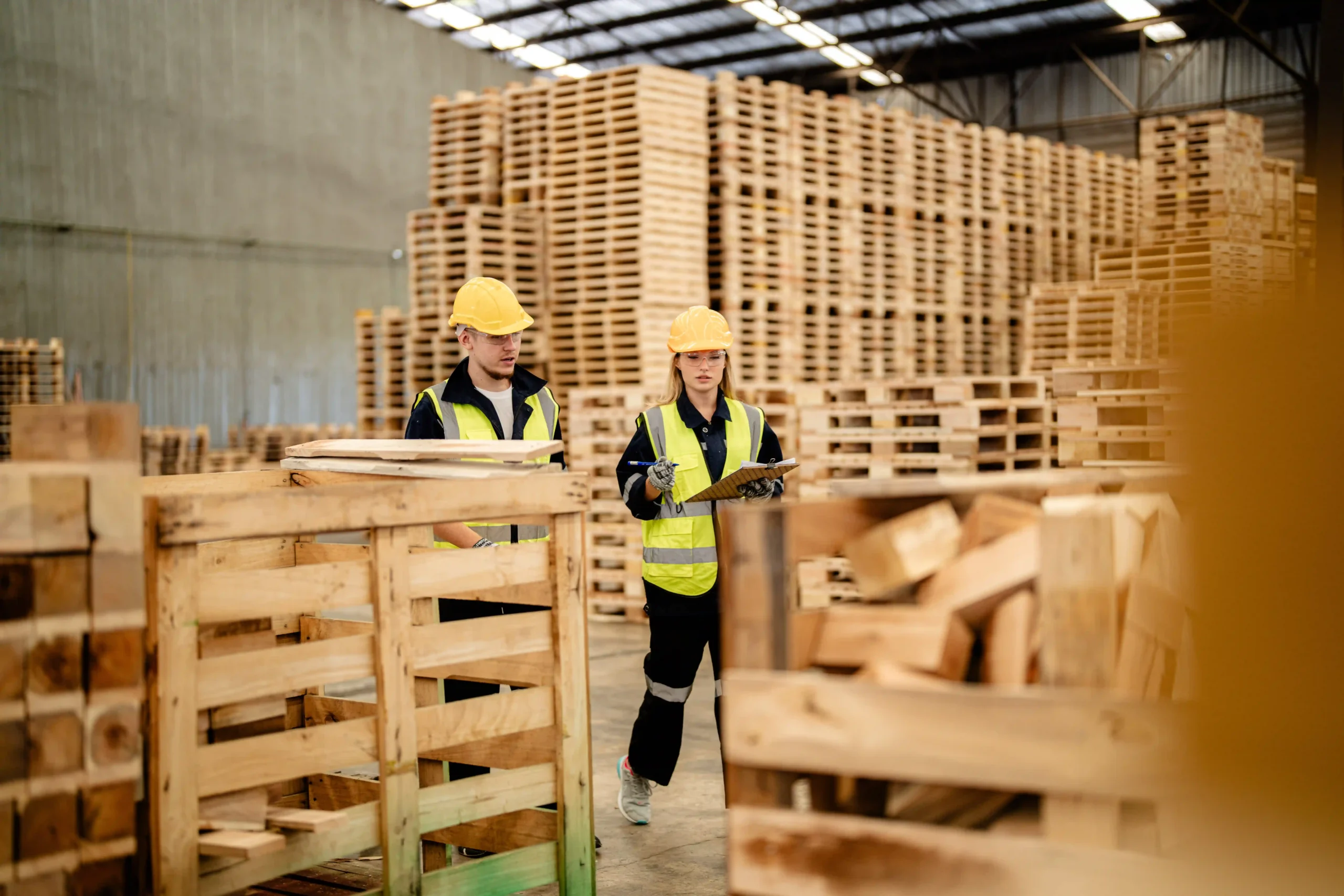
The term “pallet transport jobs” includes a wide variety of roles, all with slightly different duties but shared logistics goals. At Tri-Link FTZ, we often hire or collaborate with professionals in roles like pallet delivery drivers, warehouse associates, forklift operators, and freight handlers.
Delivery drivers are typically responsible for loading and unloading goods, verifying paperwork, and maintaining routes. Warehouse associates manage the intake and movement of goods inside the facility.
Forklift operators do the heavy lifting—literally—moving loaded pallets from one area to another with speed and accuracy. Then there are freight handlers who specialize in arranging pallets for outbound shipments.
Each role plays a key part in keeping our freight systems running efficiently, and there’s opportunity for cross-training across these positions.
The pay for pallet transport jobs can vary based on your region, experience level, and certifications. In our experience across multiple markets, entry-level jobs typically start at $16 to $18 per hour.
With a CDL or forklift certification, you can easily reach $22 to $28 an hour, and experienced drivers in specialized industries can earn even more. Most of these jobs offer overtime, weekend bonuses, and sometimes benefits like health insurance, 401(k) matching, and paid time off.
Full-time roles usually come with more perks, but part-time and seasonal gigs are often faster to land. To give you a quick snapshot, here’s a table based on data we’ve seen from national postings:
Position Title | Typical Hourly Pay |
Pallet Delivery Driver | $18–$26 |
Forklift Operator | $17–$23 |
Warehouse Associate | $16–$20 |
Freight Handler | $17–$22 |
CDL Class A Driver | $24–$32 |
These numbers don’t even include overtime pay, which is common in peak shipping seasons.
If you’re ready to jump into the world of pallet transport, the good news is that jobs are just a few clicks away. Start with major job boards like Indeed, ZipRecruiter, and Glassdoor.
Use specific keywords like “pallet transport jobs,” “pallet delivery driver,” or “warehouse pallet handler” to filter relevant listings. At Tri-Link FTZ, we’ve also seen great success with referrals and job fairs—especially for people interested in logistics careers.
Create a clear, one-page resume that outlines any related experience, especially if you’ve operated pallet jacks, driven box trucks, or worked in a warehouse setting. Don’t underestimate the value of a brief cover letter either; a few lines about your work ethic and reliability go a long way in this field.
Once you apply, be ready for a practical skills test or short interview—employers want to know that you can safely and effectively handle the equipment.
Pallet transport jobs aren’t just stepping stones—they’re launching pads. At Tri-Link FTZ, we’ve seen countless employees rise through the ranks by mastering the fundamentals and showing initiative.
Many start as warehouse associates or entry-level drivers and move into logistics coordination, dispatch, or even warehouse management. What helps fuel this growth is skill-building.
Certifications like OSHA safety training, forklift operation, or even inventory software use (like WMS systems) make a big difference in climbing the ladder. Some companies, including ours, offer in-house training for motivated team members.
We believe in growing our talent from within. That means if you’re serious about the job and eager to learn, you can turn a basic pallet transport job into a long-term career in the logistics field.
Management and supervisory roles often pay salaries instead of hourly wages and come with broader benefits. As you progress, you’ll also get exposure to the strategic side of logistics—like route planning, team scheduling, and freight cost analysis.
The good news is that our industry values loyalty and performance more than just degrees. If you’ve got drive and you show up ready to work, this is a space where your efforts don’t go unnoticed.
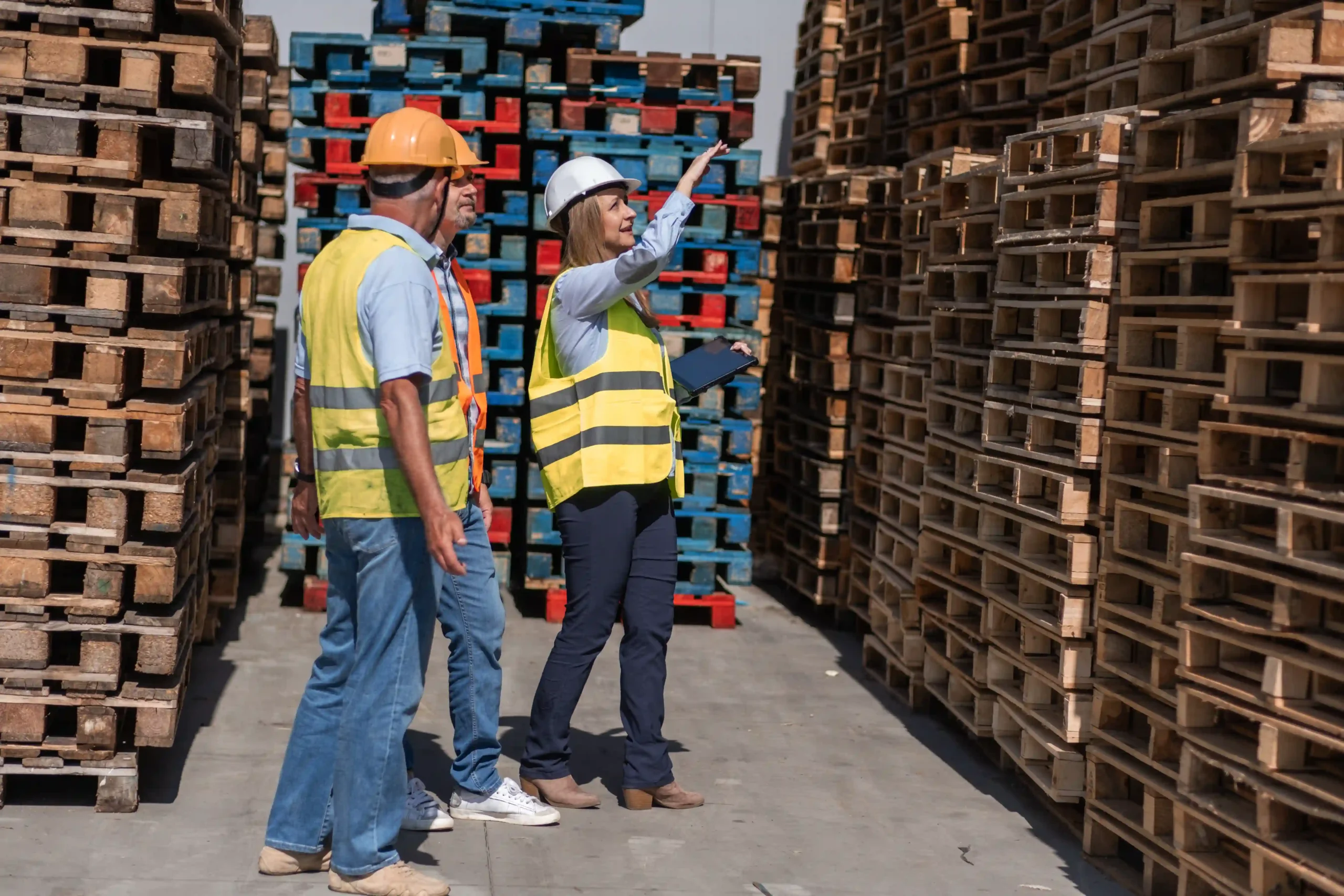
In pallet transport, safety isn’t optional—it’s foundational. After 35 years in the third-party logistics industry, I’ve learned that well-trained, safety-conscious employees are the backbone of any operation.
From warehouse floors to loading docks and driver routes, every part of this job requires attention to risk and detail. Workers need to wear the proper gear: steel-toe boots, gloves, and sometimes back braces or hard hats.
Operating a forklift or using a pallet jack comes with its own rules, and every piece of equipment should be inspected before use. There are protocols for how pallets are wrapped, stacked, and loaded.
We teach our teams to avoid overhanging items, to use corner protectors, and to strap loads securely. Mistakes here don’t just damage freight—they can lead to serious injury.
At Tri-Link FTZ, we adhere to OSHA standards in all our facilities, and many clients require their own compliance practices to be followed. We run regular training sessions to make sure our people stay sharp.
When safety becomes part of the culture, everything runs smoother, faster, and better.
Technology has transformed every part of our business, and pallet transport jobs are no exception. In the early days, everything was done on paper.
Now, we’re using mobile apps, real-time tracking, and automated routing systems to move goods more efficiently. Pallet drivers often have tablets that update routes based on traffic or notify them of changes to the drop-off schedule.
Inside the warehouse, forklift operators can now scan QR codes to update inventory systems as they move pallets across the floor. At Tri-Link FTZ, we’ve embraced warehouse management systems (WMS) that streamline order picking and cut down on human error.
Newer forklifts even come with built-in sensors to reduce collisions and improve accuracy. The great thing is that these tools don’t replace workers—they make them better.
If you’re tech-comfortable and open to learning new systems, you’ll find yourself in high demand across modern logistics operations. Even basic software skills can be a major asset in roles that previously didn’t require any computer use at all. Read more here.
Pallet transport jobs might not be glamorous, but they are honest, stable, and in-demand. Our team at Tri-Link FTZ has built a decades-long business around the idea that people power logistics.
When you take on a pallet transport role—whether as a driver, a warehouse associate, or a forklift operator—you’re joining the backbone of the supply chain. You’re helping keep grocery stores stocked, factories supplied, and communities connected.
Whether you’re just entering the workforce or thinking about a career change, this is an industry with real opportunities. We’ve seen people move from temp workers to team leads, from drivers to dispatchers.
And right now, with e-commerce booming and global trade recovering, there’s more need than ever for reliable, skilled logistics professionals. If you’re looking for where to begin, take the first step: search “pallet transport jobs,” get certified if needed, and show up ready to work.
You don’t need a four-year degree—just a strong back, a good attitude, and the willingness to learn.
Share this article