The 3PL logistics process is how a third-party company like ours at Tri-Link FTZ manages your logistics so you don’t have to. When a business outsources logistics tasks such as inventory management, warehousing, order fulfillment, and shipping, that’s called working with a 3PL.
We’ve spent the last 35 years fine-tuning this process for our partners, making it smoother, faster, and more reliable. In simple terms, we act as an extension of your business by making sure your products get from Point A to Point B efficiently and cost-effectively.
Whether you’re a growing ecommerce brand or a multinational supplier, a well-run 3PL logistics process helps you scale without losing control of your operations.
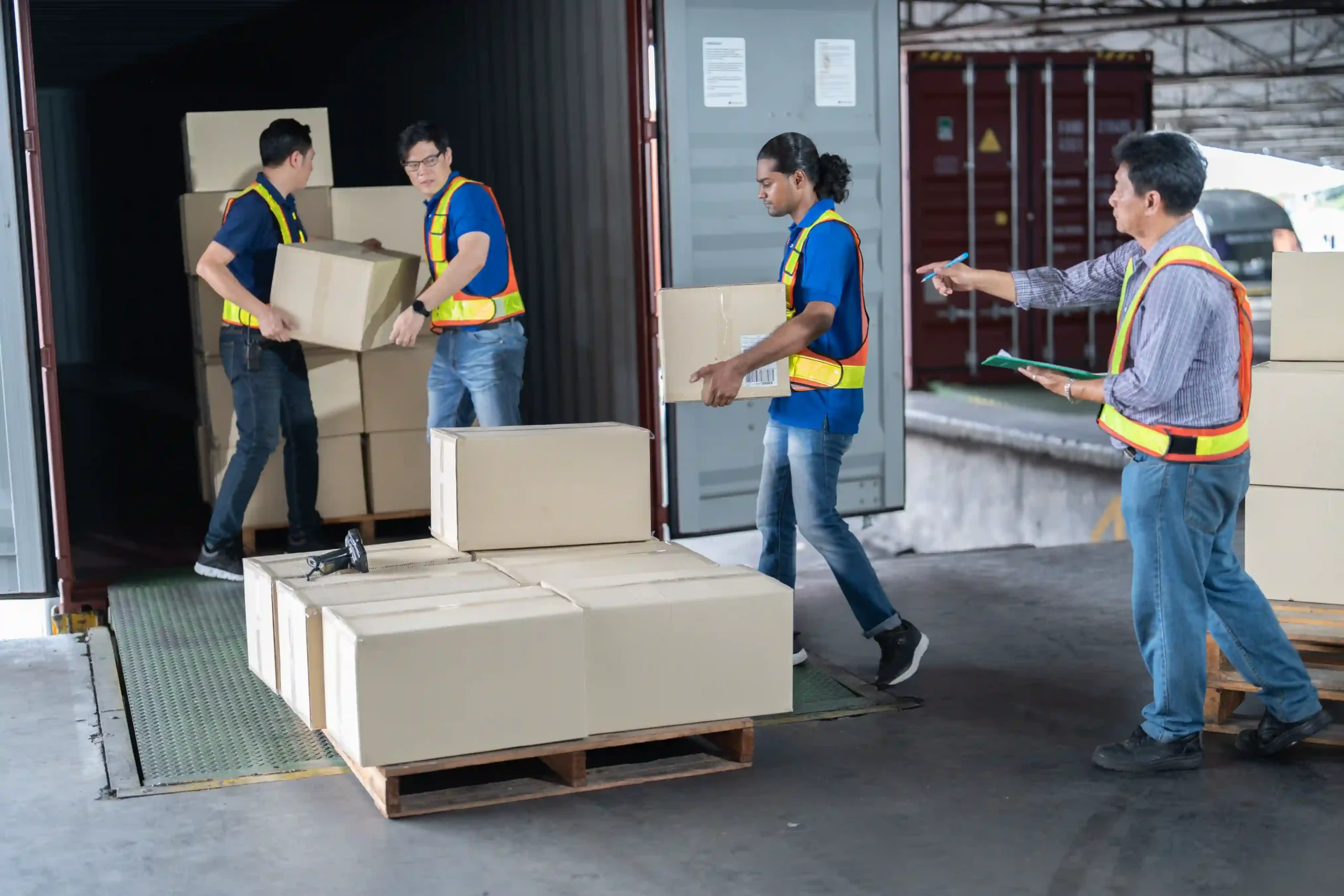
When we onboard a client, we start by receiving their inventory into our system. This means logging each product, verifying quantities, and inspecting for any damage before placing the items in storage.
Everything is barcoded and recorded in our warehouse management system, which syncs with the client’s online store or ERP platform. Storage isn’t just about stacking boxes—we arrange everything strategically to make picking fast and easy.
Once an order comes through, we pick the exact items from our shelves, pack them using the client’s preferred materials, and get them shipped via the best available carrier. That last step is important—we optimize the shipping method based on weight, location, and urgency.
After that, we handle any returns just as smoothly. Each part of this 3PL logistics process has been developed with precision to reduce delays, mistakes, and costs.
We operate as though your customer is our customer—because at the end of the day, your reputation rides on our performance.
Receiving inventory is more than checking boxes off a list. At Tri-Link FTZ, we have strict protocols for quality control, documentation, and placement.
We use advanced WMS (Warehouse Management System) technology to make sure that every unit is accounted for, right down to the SKU. This allows our clients to view their inventory in real time, so they can make decisions faster.
Once received, we organize the goods in dedicated storage areas. Some products go to pallet racks; others require bin shelving or climate-controlled rooms.
Proper labeling and slotting reduce time spent looking for items. Inventory isn’t static either—we move stock around based on picking frequency to ensure maximum efficiency.
Our teams do regular cycle counts and audit reports to prevent shrinkage or misplacement. We believe that great fulfillment starts with great inventory control, and this part of the 3PL logistics process is where that foundation is built. Read more here.
Technology is the backbone of everything we do. With over three decades in the logistics business, we’ve seen it evolve from manual spreadsheets to cloud-based automation.
Today, we integrate with platforms like Shopify, BigCommerce, NetSuite, and Amazon. This means your orders come to us instantly, and you can track them just as quickly.
Our WMS allows us to see what’s in stock, what’s running low, and what’s trending. Automation tools help reduce errors in the picking and packing process.
For example, barcode scanners and handheld terminals direct our team to the exact location of each item. We also use AI-assisted routing tools to get the best shipping rates and delivery times.
Custom dashboards provide analytics that help clients see their fulfillment KPIs in real-time. With these tools in place, our 3PL logistics process becomes not only fast but also smart.
Data is power, and we use it to improve your logistics outcomes every single day. Read more here.
Every time a customer places an order, our system kicks into gear. The WMS routes the order to the correct zone in the warehouse, where a picker scans and retrieves the items.
The pick path is optimized so there’s no wasted time or steps. Once picked, items go to a packing station.
This is where we make sure the right items, the right quantities, and the right packaging come together. Packing isn’t just about speed; it’s about presentation and protection.
We use a variety of materials—corrugated boxes, bubble wrap, branded inserts—depending on client specs. Once packed, the label is printed and the package is queued for pickup.
We offer same-day fulfillment in many cases, depending on cutoff times. Then, our shipping software picks the best rate and carrier for the job, whether that’s UPS, FedEx, USPS, or freight.
We also handle international shipping and customs documentation. We even process returns and restock inventory if needed.
This phase of the 3PL logistics process is where customer satisfaction is made or broken, so we treat every order with care.
When you partner with a 3PL like Tri-Link FTZ, you gain more than just warehouse space. You gain a logistics partner with decades of expertise, a reliable process, and the infrastructure to support your growth.
One of the biggest benefits is cost efficiency. You avoid the fixed costs of renting space, hiring staff, and buying equipment. Instead, you pay for what you use, when you use it.
Speed is another major advantage. Our clients benefit from two-day and even same-day shipping options, thanks to our strategic locations and carrier relationships.
Scalability is built-in—we handle seasonal peaks, product launches, and volume spikes without needing extra setup. Plus, our staff is trained in compliance and packaging requirements, which reduces the risk of fines or damages.
Finally, outsourcing fulfillment lets your team focus on marketing, product development, and customer service instead of warehouse headaches. These are just some of the many reasons why the 3PL logistics process has become essential to modern business operations.
Despite all the benefits, there are challenges to outsourcing your logistics. One risk is losing direct visibility and control over your fulfillment operations.
If your 3PL doesn’t have the right tech or communication, that gap can grow quickly. That’s why we maintain open lines with our clients—via dashboards, account managers, and automated alerts.
Another challenge is dealing with errors. Even small mistakes in picking or packing can cost customer trust.
Then there’s compliance. Products like lithium batteries or pharmaceuticals require special handling and documentation.
Not all 3PLs can handle this, and if they mess up, you pay the price. Scalability can also be a double-edged sword.
If a provider isn’t truly built to grow with you, bottlenecks will emerge when you need speed the most. Lastly, poor return handling can result in lost sales and unhappy customers.
At Tri-Link FTZ, we tackle these risks head-on by building resilience into every phase of the 3PL logistics process.
To know if your 3PL partner is doing a great job, you have to measure their performance. We always recommend setting benchmarks from day one.
The most obvious metric is order accuracy. Are your customers receiving the right product, at the right time, in the right condition?
You should also be tracking shipping speed—delays can hurt your brand even if the mistake wasn’t yours. Inventory visibility is key too.
If you can’t see your stock levels in real time, you’re at risk of overselling or missing reorder points. We also advise tracking fulfillment costs.
Are you paying more than you expected? A transparent pricing model helps eliminate surprises.
Finally, communication responsiveness is essential. You should never feel in the dark about where your orders stand.
At Tri-Link FTZ, we provide monthly scorecards and live dashboards so our clients always know how we’re performing.
Over the years, we’ve had clients come to us from 3PLs that just weren’t cutting it. Some common red flags include frequent errors, vague reporting, and inconsistent shipping speeds.
If your provider can’t tell you how they’re improving—or worse, can’t admit when they’re wrong—that’s a problem. Another major issue is outdated software.
If you’re still receiving CSVs instead of accessing a live dashboard, you’re at a disadvantage. Pay close attention to customer complaints.
If more and more reviews are about late or incorrect orders, it might be time to look elsewhere. Poor returns handling is another signal. A good 3PL should process returns with as much care as they do outbound orders.
And if you’re growing fast but your 3PL can’t keep up, you may be stuck in a partnership that’s holding you back. Avoiding these pitfalls is all about choosing a partner who’s built to scale with you.
When evaluating 3PL partners, experience matters. At Tri-Link FTZ, we’ve been doing this for 35 years, and that means we’ve seen every challenge and solved it.
Start by making sure your potential 3PL has worked with businesses like yours. Do they understand your product category?
Your customer base? Next, evaluate their tech stack.
Integration should be seamless, not something you have to fight with every day. Look at warehouse locations.
Can they reach your customers within 1-2 days? That makes a huge impact on shipping costs. Transparency is another non-negotiable.
You deserve full visibility into operations and pricing. And finally, trust your gut.
During your initial calls, are they listening? Are they offering ideas or just selling services?
A great 3PL doesn’t just fulfill orders—they help you grow.
Tracking the right metrics is key to managing your 3PL relationship. Here are the five KPIs we help clients monitor every month:
These KPIs give you a clear picture of your fulfillment health. At Tri-Link FTZ, we provide these insights automatically, and help you act on them in real-time.
When done right, the 3PL logistics process isn’t just about moving boxes—it’s about moving your business forward. By outsourcing to a trusted partner like Tri-Link FTZ, you free up time, reduce costs, and unlock new growth opportunities.
We’ve spent over three decades refining this process, and we know what works. Whether you’re shipping 50 orders a week or 50,000, our mission is to help you do it faster, smarter, and better.
If you’re ready to take the guesswork out of logistics and start scaling with confidence, we’re here to help. Reach out today and let’s build a logistics plan that works for your business—now and in the future.
Share this article