Warehouse zones are designated areas in a warehouse that separate activities such as receiving, storage, picking, packing, and shipping. Each zone has a purpose that supports smooth workflow and reduces wasted movement.
When designed correctly, warehouse zones make it easier for teams to know where items belong, how to find them quickly, and how to move orders through the building without confusion. In my experience running Tri-Link FTZ, zoning also plays a major role in safety, accuracy, and meeting customer deadlines.
This structure is not just a layout choice—it’s a core part of warehouse strategy.
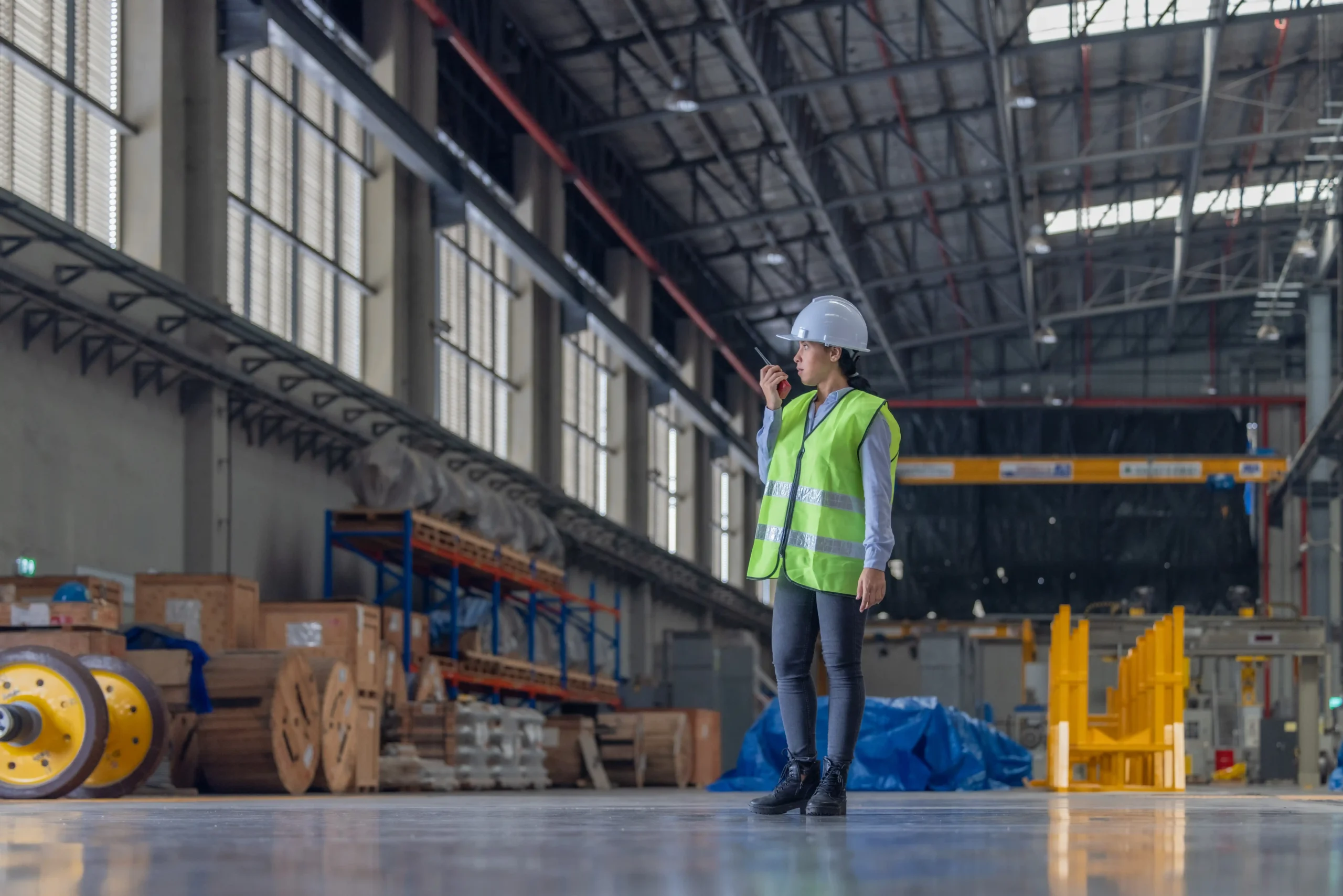
When I walk into a warehouse for the first time, I can usually tell within a few minutes whether the business uses warehouse zones or just places things wherever space is available. Over the past 35 years, I’ve seen that when a warehouse doesn’t use zoning, workers walk too much, items get misplaced, and receiving and shipping start battling each other for space.
Introducing warehouse zones fixes these issues because it creates a logical flow from one end of the building to the other. Workers don’t just guess where to go—they follow a path that saves time and reduces stress.
When the flow is predictable, errors drop dramatically because the environment itself supports accuracy. Creating zones starts with a clear understanding of your workflow, and that means taking a close look at how your orders move today.
In a well-designed building, receiving is placed by the docks so new inventory never gets mixed with outgoing orders. Storage zones are placed beside receiving so put-away can happen quickly.
Picking zones sit closer to packing and shipping so orders don’t travel across the entire warehouse. When each zone has a purpose, everyone moves with confidence and the entire warehouse becomes faster and safer.
And since zoning helps reduce congestion, it also strengthens compliance with OSHA and FTZ requirements. Read more here.
In our FTZ and 3PL operations, I rely heavily on five core warehouse zones to keep things moving smoothly. The first is the receiving zone, which is always located near the docks so inbound freight can be inspected, logged, and staged without interfering with other work.
Next is the storage zone, where items live long-term and are organized by product family, velocity, or material type. This area benefits from clear labeling and rack structures that match the product’s size and movement needs.
Then there’s the picking zone, which is designed for speed and easy access to the most frequently ordered items. After picking comes the packing zone, where orders are checked, protected, and prepared for shipping.
This area needs to be calm, organized, and close to outbound docks. Finally, we have the shipping zone, where completed orders are staged, sorted, and loaded onto carriers.
These warehouse zones work together like gears in a machine, and when they’re positioned correctly, the entire workflow becomes more predictable and efficient. I’ve seen facilities reduce travel time by 20–30% just by rearranging these five areas.
The power of zoning is simple but incredibly effective when implemented with intention.
Choosing the right zoning strategy is all about understanding the behavior of your inventory. In my experience, most businesses improve instantly by using a simple ABC analysis, where A items move the fastest, B items move regularly, and C items move slowly.
This method gives your warehouse zones a clear purpose because you place fast-moving items close to packing and shipping. When I help clients with zoning, one of the biggest wins comes from moving their “A” items into the hot zone, cutting hours of walking time each week.
It’s amazing how much productivity improves when your team no longer hikes across the building for the same handful of SKUs. Product family zoning is another strong approach, especially for companies that sell related items in bundles.
Keeping related items together prevents pickers from running back and forth across zones, which saves time and reduces errors. Some of our customers also use customer-based zoning if they handle multiple brands or accounts, which protects accuracy and keeps inventory clean for each client.
No matter which strategy you choose, the key is matching your warehouse zones to your unique inventory, instead of copying a layout that doesn’t reflect your workflow. Every business deserves a zoning approach that fits their real-world operations.
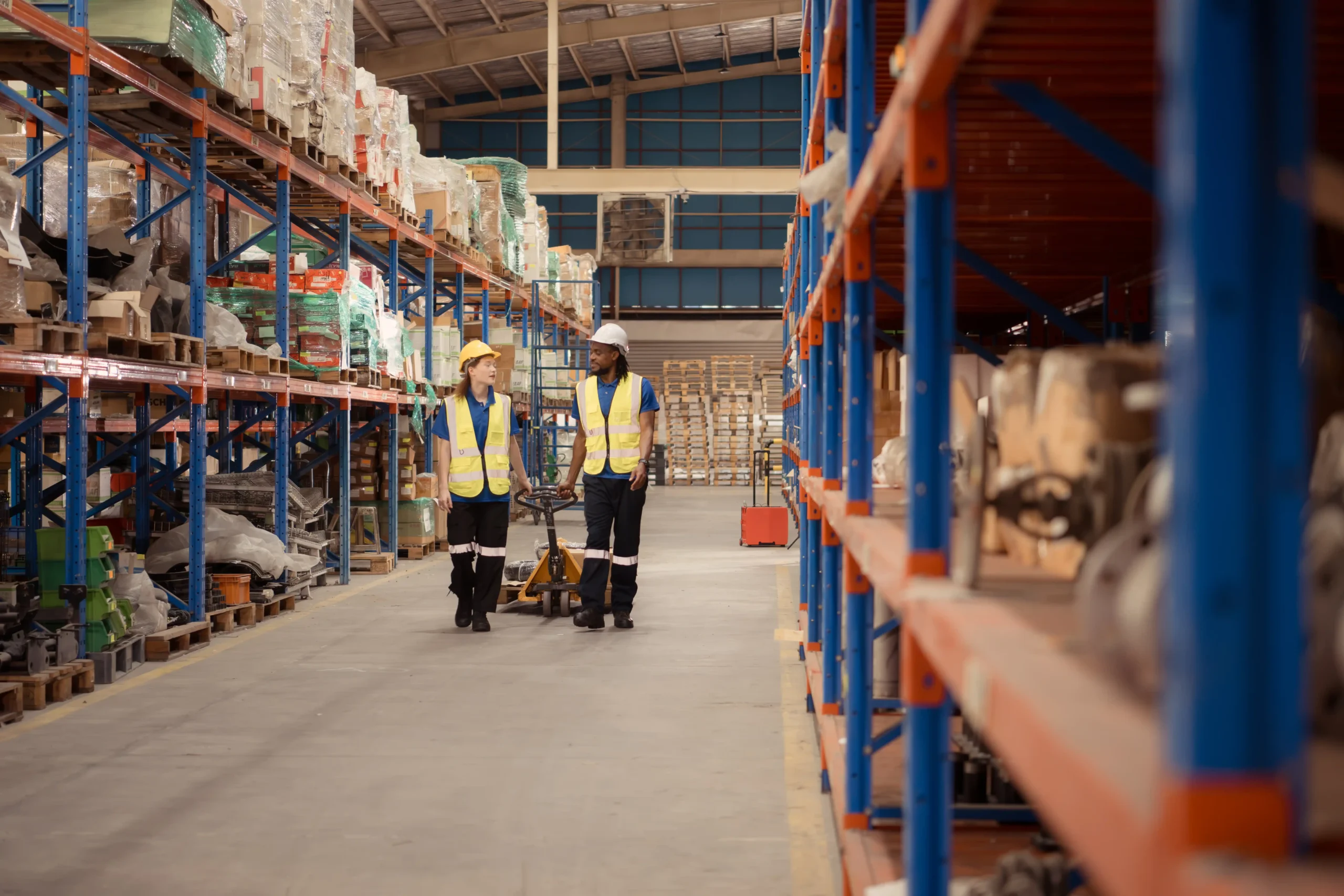
Technology plays a major role in keeping warehouse zones running smoothly. A strong WMS allows you to set rules for picking, put-away, and replenishment based on each zone’s purpose.
When your system knows which items belong in your hot zone, it helps maintain accuracy even during peak season chaos. Barcode scanning eliminates confusion about where items should be placed, and RFID gives real-time visibility into stock without slowing your team down.
In our FTZ operations, we rely heavily on precise location types, which help us track duty-paid and duty-unpaid materials without error. Automation can also enhance the performance of your warehouse zones, especially in picking and storage.
Tools like shuttle systems or AMRs bring items directly to workers instead of sending workers on long walking routes. Conveyor belts help connect zones without creating congestion.
When combined with analytics, these tools help you identify bottlenecks and adjust zones before they cause slowdowns. Technology should always support your zoning—not replace the thought and strategy behind it. Read more here.
One thing I tell every new client is that zoning is not a one-time project. Warehouse zones must evolve with your business, especially if your inventory changes with seasons or promotions.
Regular reviews of SKU velocity help you make smart decisions about moving products between hot, warm, and cold zones. In our own facilities, we run zone audits several times a year to make sure our layout still reflects how our customers order.
This habit prevents overflow, loss of space, and unnecessary congestion that hurts productivity. Common mistakes usually happen when teams create zones without data or forget to communicate layout changes to staff.
Overcrowded zones, poorly labeled aisles, or mixing incompatible goods can all lead to delays and safety issues. FTZ warehouses like ours must also maintain strict segregation between materials, making proper zoning even more important.
With clear labeling, regular training, and consistent SOPs, these mistakes can be avoided. The goal is to make your warehouse zones easy to understand for every new team member who walks through the door.
A few years ago, I visited a warehouse that struggled with long pick times, constant retracing of steps, and piles of products staged in random corners. After analyzing their workflow, we rebuilt the entire layout around warehouse zones.
We created a new receiving area, added a hot zone for fast movers, reorganized their picking aisles, and introduced a proper packing and shipping lane. Once the zoning was complete, the difference was immediate.
Travel time dropped, order accuracy improved, and operators commented that working in the building finally felt “easy.” This transformation is why I believe zoning is one of the most powerful tools in warehouse operations.
With the right design, technology, and ongoing adjustments, warehouse zones create a foundation that supports growth, safety, and customer satisfaction. And after 35 years in logistics, I can confidently say that zoning done well pays for itself many times over.
As I look back on the changes I’ve made in warehouses over the last 35 years, I can confidently say that no improvement creates faster results than establishing well-designed warehouse zones. When each area of a facility has a clear purpose, the entire operation becomes easier to manage, easier to scale, and easier for new employees to understand.
The real value of zoning isn’t just in organization—it’s in the speed, accuracy, and safety that come from a structured workflow. Whether you’re a growing ecommerce brand, a 3PL customer, or operating inside an FTZ, optimizing your warehouse zones is one of the smartest investments you can make for long-term efficiency and stability.
Share this article