A warehouse storage tent is a structure built with a durable steel or aluminum frame and covered with weather-resistant fabric like PVC or PE. These tents can be temporary, semi-permanent, or modular, depending on your storage needs and how often you want to move them.
Unlike traditional warehouses, they don’t require heavy construction, concrete foundations, or lengthy permits, making them perfect for businesses needing quick storage solutions. They can store raw materials, finished goods, machinery, or seasonal inventory, keeping them safe from sun, rain, wind, and other hazards.
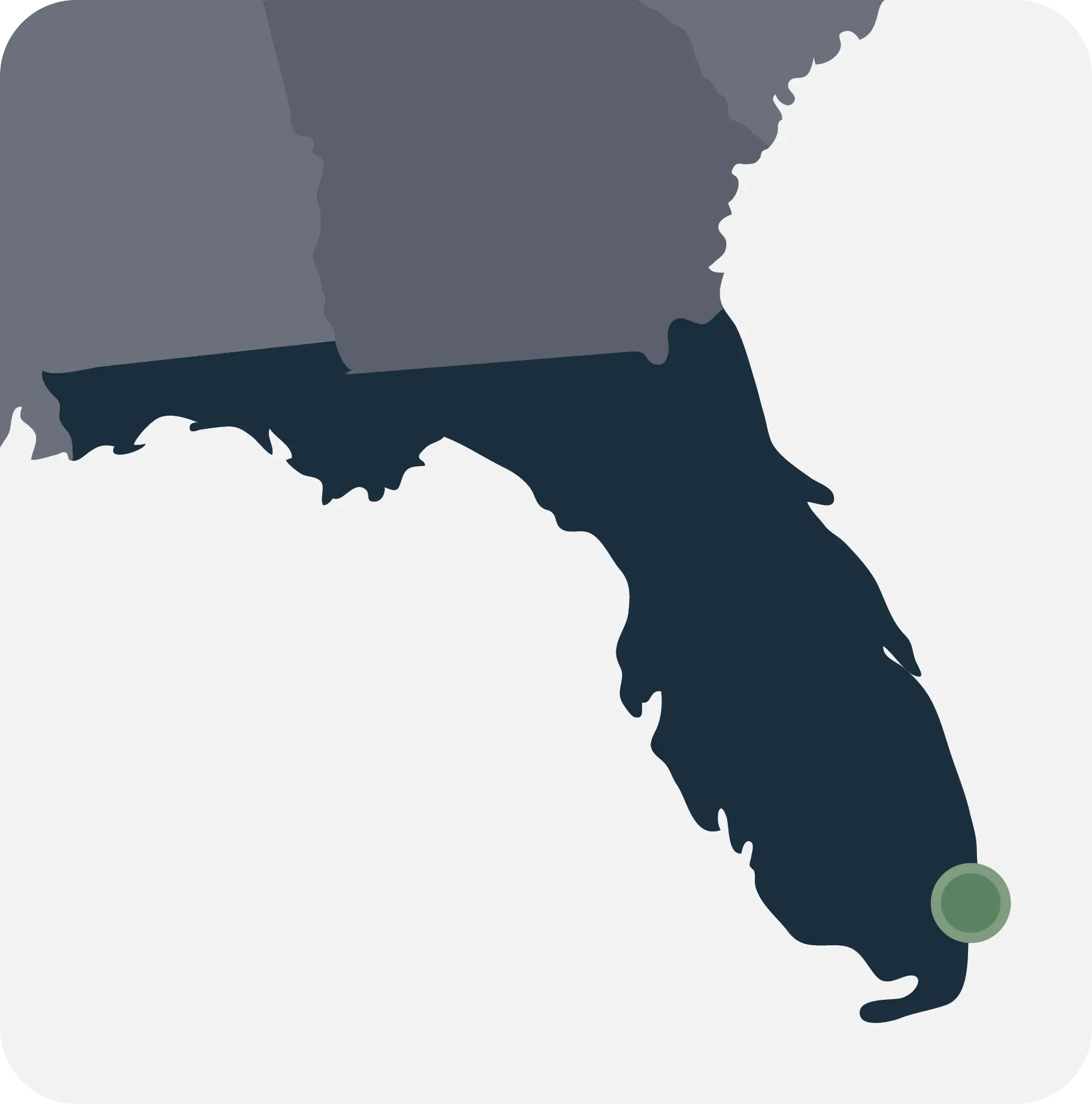
At Tri-Link FTZ, we use warehouse storage tents to expand storage capacity quickly and protect client goods, keeping operations smooth.
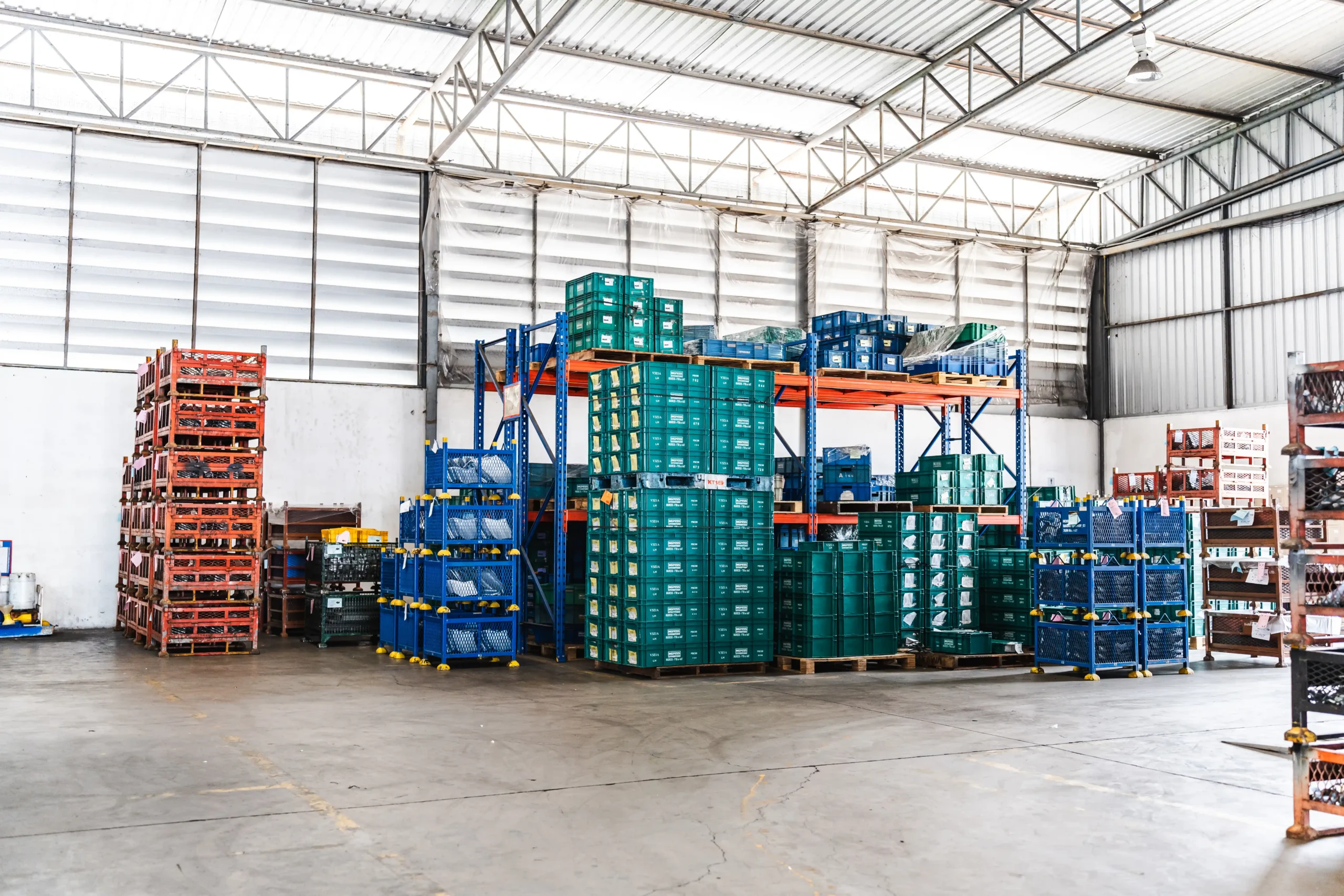
In 35 years of running a third-party logistics company, I’ve seen warehouses reach capacity repeatedly. Traditional indoor storage is expensive and slow to expand.
Warehouse storage tents solve this problem by providing immediate space when inventory spikes during seasonal peaks or sudden demand increases. Deploying a tent in days avoids costly lease expansions or construction delays, keeping logistics on schedule.
These tents also protect inventory from environmental and operational risks, particularly fragile or high-value goods.
Flexibility is another key benefit. Tents can be relocated or reconfigured easily, unlike permanent structures.
They optimize workflows by creating zones for inventory, enabling FIFO systems, and integrating temporary racking. Safety improves too, as tents can be organized with clear pathways for forklifts and employees.
Overall, warehouse storage tents provide freedom, protection, and operational efficiency, making them essential in modern logistics.
Selecting the right tent depends on your goods, timeline, and operations. PVC or PE fabric tents with simple steel frames are ideal for temporary or seasonal storage. Lightweight and easy to assemble, they can be moved when no longer needed.
Modular aluminum frame tents suit longer-term storage or harsher conditions, offering superior durability.
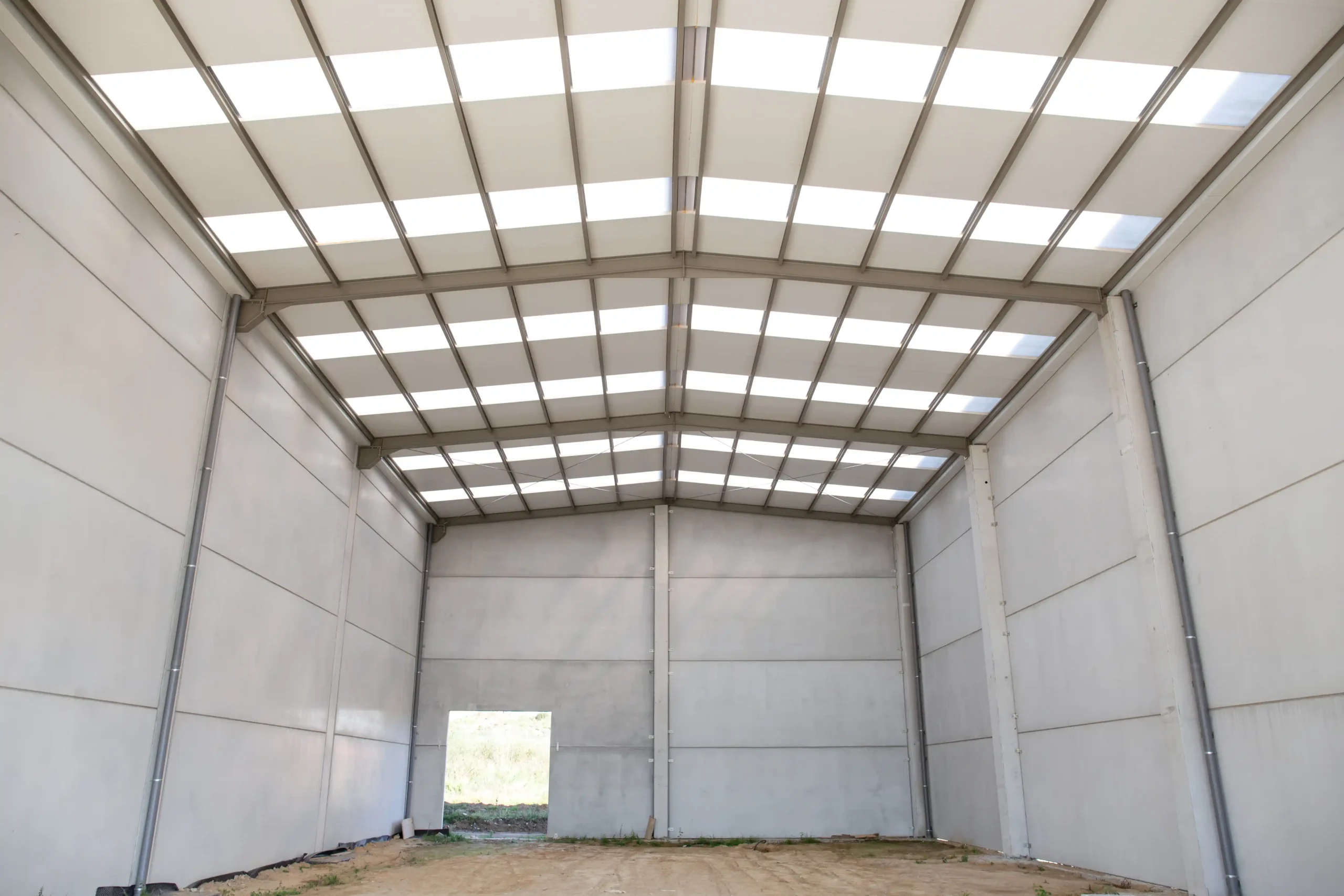
Clear span or A-structure tents eliminate internal columns, perfect for forklifts or bulky items. Custom industrial tents can be designed for manufacturing, logistics hubs, or cross-docking.
At Tri-Link FTZ, we always evaluate how a tent will integrate with existing systems, ensuring maximum efficiency and safety. Proper selection avoids wasted space, reduces handling time, and optimizes inventory flow.
From decades of experience, I’ve learned a tent is only as strong as its frame and fabric. Steel frames provide solid durability for larger tents, while aluminum is lighter and easier to move.
PVC and PE fabrics are weather-resistant, UV-protected, and tear-resistant, with some double-layered or reinforced for extreme conditions.
Tent design affects functionality and longevity. Clear-span tents maximize usable space, while A-frame or modular designs simplify assembly and customization.
Roof pitch matters—steeper roofs prevent water pooling and snow buildup. Ventilation and lighting are essential; proper airflow prevents condensation damage, and natural light improves visibility and safety.
Investing in quality materials and thoughtful design reduces maintenance costs, prevents inventory loss, and ensures operational reliability.
Limited warehouse space is a common challenge. Warehouse storage tents allow rapid expansion without construction delays or permits.
They can be relocated as inventory changes, providing unmatched operational flexibility.
Inside the tent, organization is key. Racking, pallet systems, and shelving create clear zones for different products.
Temporary shelving and stackable crates help adjust density safely. Barcoding, mobile scanners, and inventory management systems maintain accuracy and throughput.
Tents can also act as satellite storage areas, extending main warehouses during inventory surges. This approach reduces the need to rent permanent space and allows rapid response to unexpected demand.
By aligning the tent layout with operational workflow, businesses maximize efficiency and safety. Read more here.
Success depends on proper organization and access. Tents offer flexibility, but only if managed correctly.
Clear aisles, zones, and labeling systems allow employees to locate items quickly and safely.
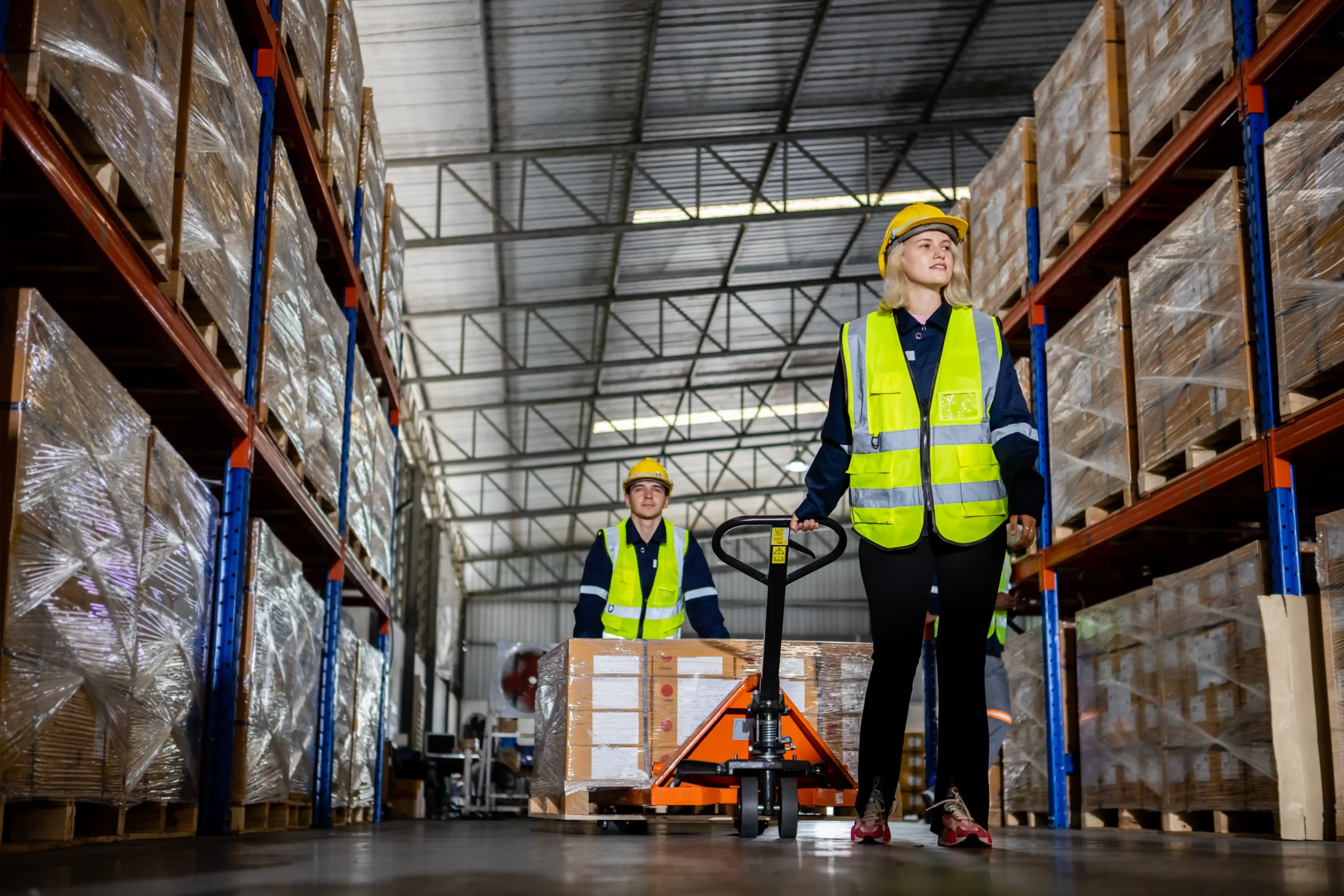
Temporary racking and pallet systems work well for seasonal or bulky products. Mobile carts and stackable crates maximize vertical space without cluttering the floor.
Inventory rotation, especially FIFO systems, ensures freshness and reduces losses. Fragile or high-value items can be stored in separate secured zones.
With careful planning, warehouse storage tents function as fully operational warehouse extensions. Read more here.
Safety is paramount when using warehouse storage tents. Proper anchoring and site selection prevent shifting or collapse.
We ensure tents are on level ground and use stakes, concrete anchors, or specialized systems depending on the location.
Flame-retardant fabrics, reinforced frames, and PVC/PE coverings reduce fire and environmental risks. Clear evacuation paths, emergency access, signage, and lighting ensure staff safety.
Load management for roof and walls is strictly observed to avoid structural stress. Regular inspections, proper installation, and employee training make these tents reliable and secure.
Cost efficiency is a major advantage. Warehouse storage tents are significantly cheaper than permanent warehouses.
Minimal groundwork, no lengthy construction, and rapid deployment reduce upfront expenses.
A phased approach works best: start with tents to meet immediate needs, then expand or upgrade as demand stabilizes. Renting or purchasing modular tents allows scalable growth and experimentation with layouts before committing to permanent structures.
This flexibility makes tents attractive for logistics and manufacturing businesses seeking affordable solutions.
Efficiency isn’t just about space; it’s about managing inventory effectively. Integrating warehouse management systems, barcoding, and RFID technology allows tents to operate like permanent warehouses.
Mobile scanning stations track items in real time, ensuring accuracy. Software helps optimize storage layouts: heavy items near entrances, fragile products in protected zones, and frequently picked items within reach.
Combining technology with modular racking and stackable crates increases usable capacity by up to 30%. These integrations save time, reduce errors, and maximize the value of temporary storage solutions.
Sustainability is increasingly important. Modern warehouse storage tents can be made with recyclable aluminum frames and long-lasting PE/PVC fabrics.
Being relocatable and reusable, they reduce environmental impact compared to permanent structures.
Natural lighting panels and optimized airflow reduce energy use, while daylight integration limits artificial lighting needs. Efficient ventilation decreases reliance on fans or HVAC, lowering energy costs.
By combining operational efficiency with eco-conscious design, warehouse storage tents support both business and sustainability goals.
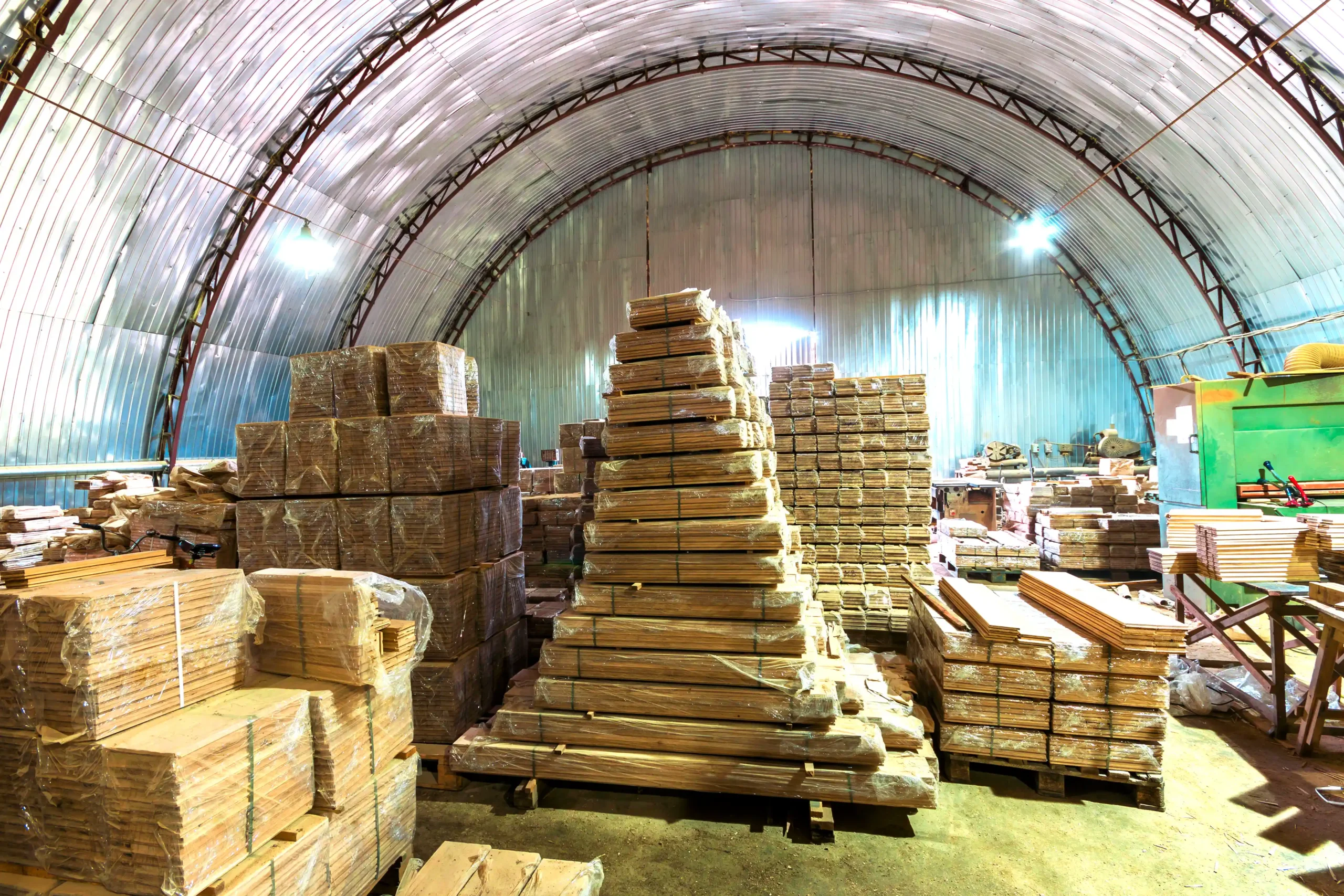
Proper maintenance determines a tent’s lifespan. Inspect frames, fabric, and anchors regularly. Check for rust, tears, or loose connectors.
Clean fabrics with mild detergent and water to maintain UV protection.
Monitor roof snow and water accumulation to prevent structural stress. Ensure doors, zippers, and ventilation mechanisms are functional.
Seasonal inspections extend lifespan by 5–10 years, protecting inventory and reducing long-term costs. Regular maintenance turns a temporary solution into a long-term strategic asset.
After 35 years in third-party logistics and foreign trade zone operations, I can confidently say warehouse storage tents are versatile, cost-effective, and strategic.
For warehouse managers or business owners considering tent storage, focus on:
With these practices, a warehouse storage tent becomes more than temporary cover—it’s a strategic asset that protects inventory, improves efficiency, reduces costs, and supports business growth.
Share this article