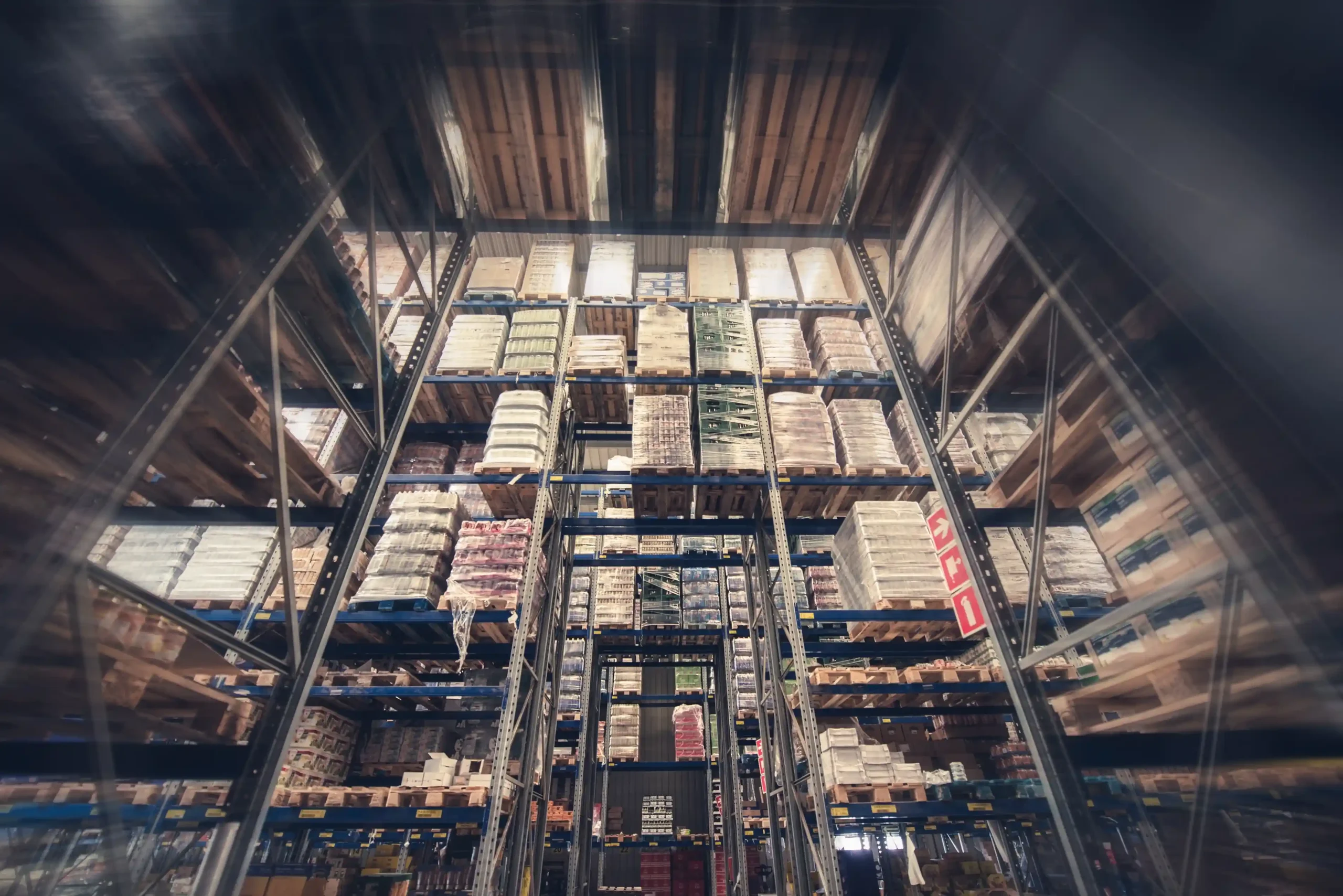
A warehouse storage rack system is a structural setup that allows businesses to store pallets, cartons, and inventory vertically instead of across valuable floor space. These systems are normally made of steel frames and beams designed to carry heavy loads, support forklifts, and increase storage density.
In simple terms, they help warehouses use height instead of paying for more square footage. The right design can reduce clutter, increase picking speed, and create safer travel paths for your team.
At Tri-Link FTZ, we see this every day, especially when a client upgrades from floor stacking to a professionally engineered racking system.
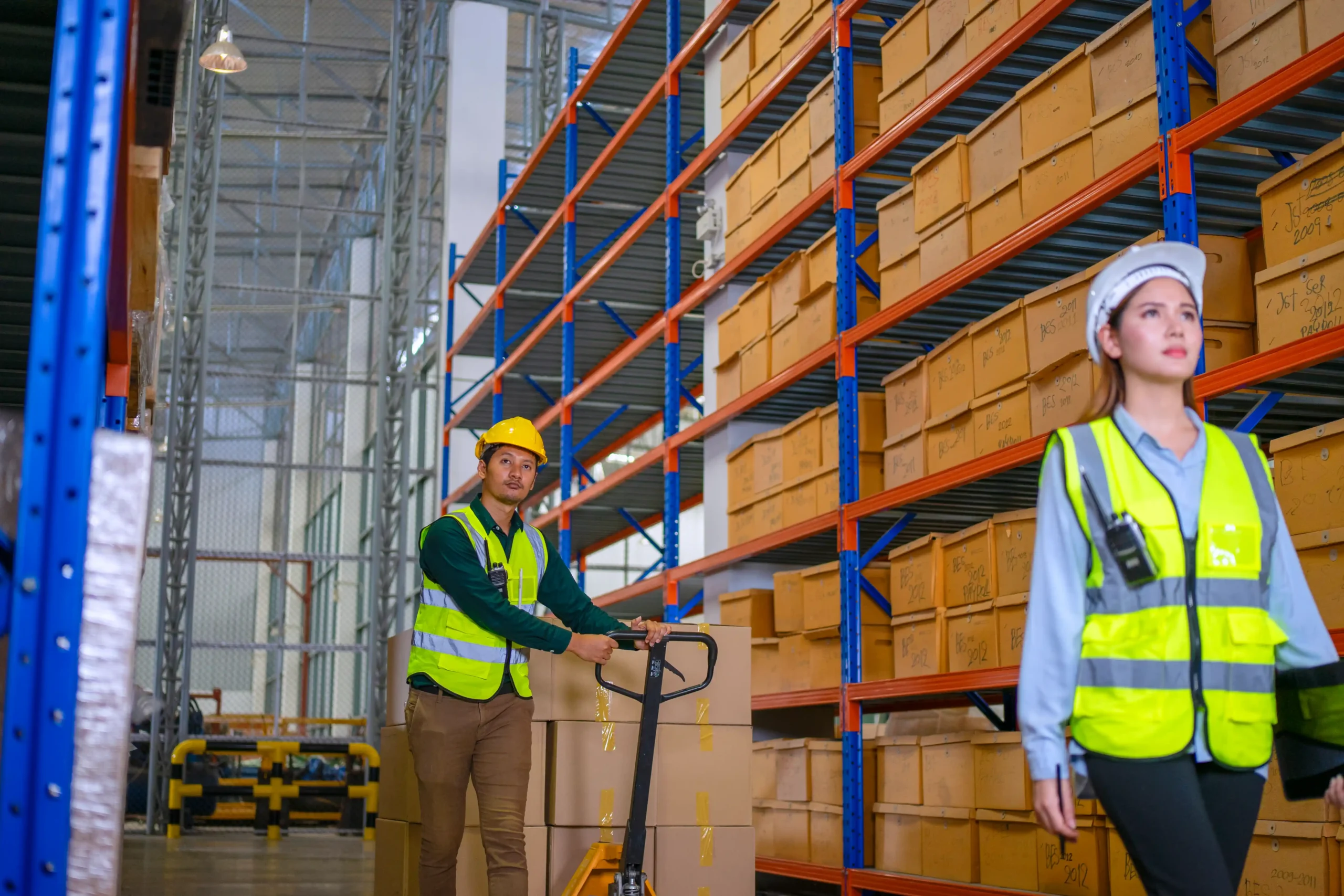
After 35 years running a 3PL and Foreign Trade Zone operation, I’ve walked into more overcrowded warehouses than I can count, and the pattern is always familiar. The first sign is when pallets start encroaching on aisles, forcing forklifts to weave around obstacles and slowing down every part of the workflow.
Another common indicator is when teams begin “temporarily” stacking items in staging areas or on the floor because existing racks no longer fit the SKU growth. Managers often notice picking delays, inaccurate counts, or rising labor hours because workers must hunt for space or rearrange pallets throughout the day.
Safety problems soon follow, including blocked fire exits, unstable piles, and increased product damage. Eventually, the warehouse becomes reactive instead of efficient, and that’s when a smarter warehouse storage rack system becomes a necessity, not a luxury.
Picking the wrong rack design can impact productivity in ways that aren’t obvious at first. I’ve seen operations buy selective racks when their inventory actually needed deep-lane storage, and the wasted space alone cost them thousands each month.
Poorly matched systems also increase travel time because they don’t align with the natural flow of goods from receiving to outbound. Safety risks escalate when beams are overloaded or aisles become too narrow for forklift movement.
Another hidden cost is the delay it creates in automation readiness, because an incompatible rack layout makes it impossible to integrate AMRs, conveyors, or AS/RS systems later. Over time, what seemed like a “good enough” racking choice becomes a financial drain rather than a strategic advantage.
Different warehouses require different solutions, and knowing the difference can save years of frustration. Selective racks offer easy access and work well for a high-SKU environment, while deep-reach or drive-in racks maximize density for bulk inventory with lower turnover.
Push-back systems support quick access with higher storage depth, making them ideal for retail or production facilities. Flow racks use gravity rollers to maintain a FIFO pattern, perfect for perishable goods or high-velocity items.
Specialized structures like mezzanines or pick modules expand cubic capacity without adding new buildings, and I’ve seen clients double their functional space just by building upward. The key is matching the warehouse storage rack system to your SKU profile, turnover rate, pallet size, and equipment.
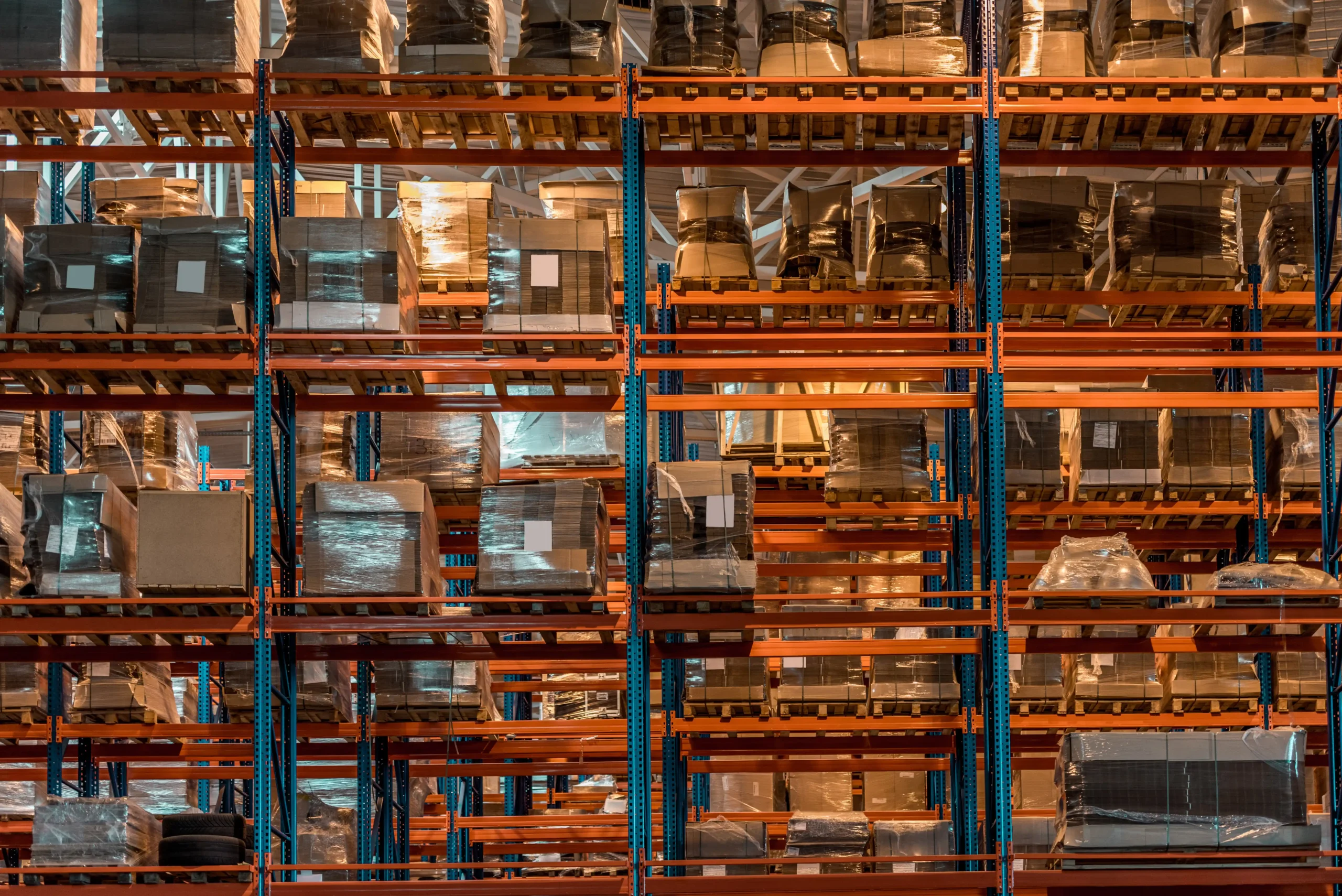
Whenever I design or upgrade a warehouse storage rack system for a client, I start by looking at SKU behavior, pallet counts, order velocity, and the equipment being used on the floor. These details matter because a warehouse with rapid turnover needs fast access, while a bulk storage environment benefits more from deep-lane density.
I also look at ceiling height and structural factors, since vertical space is one of the most valuable assets in a modern warehouse. Pallet type and load weight influence whether gravity systems or selective racks are safer long-term.
Finally, we assess whether FIFO or LIFO is required, because that single operational preference can eliminate half the available rack options. By taking this holistic approach, we make sure the warehouse storage rack system supports both your business today and your projected growth. Read more here.
When we design a warehouse layout, we start by mapping travel paths from receiving to storage, then from storage to picking, and finally to outbound staging. A smooth path reduces labor hours and minimizes forklift congestion, which is why the rack layout must follow the warehouse’s natural flow.
We look at cross aisles, turning radius requirements, and how fast-moving SKUs should sit close to the ground and near pick areas. In many cases, the layout also needs to maintain proper flue spaces for fire safety, which we incorporate into every design.
Over the years, I’ve learned that a great warehouse layout is never copied and pasted; it’s crafted carefully around the realities of each operation. A well-built warehouse storage rack system is only as effective as the layout it sits within.
Installing a racking system isn’t just assembling metal; it requires engineering, planning, and compliance awareness. Before installation, we verify slab capacity, anchoring requirements, and any seismic considerations that may apply in the region.
Every connection—beam, clip, upright, and cross brace—must be installed exactly to specification or the structure loses its rating. We add safety accessories like column guards, end-of-aisle protection, and backstops to reduce damage from forklifts and shifting loads.
Clear signage is also required, including load capacity labels that help prevent accidental overloads. As a 3PL with decades of experience, we take installation seriously, because a strong warehouse storage rack system is foundational to both safety and efficiency.
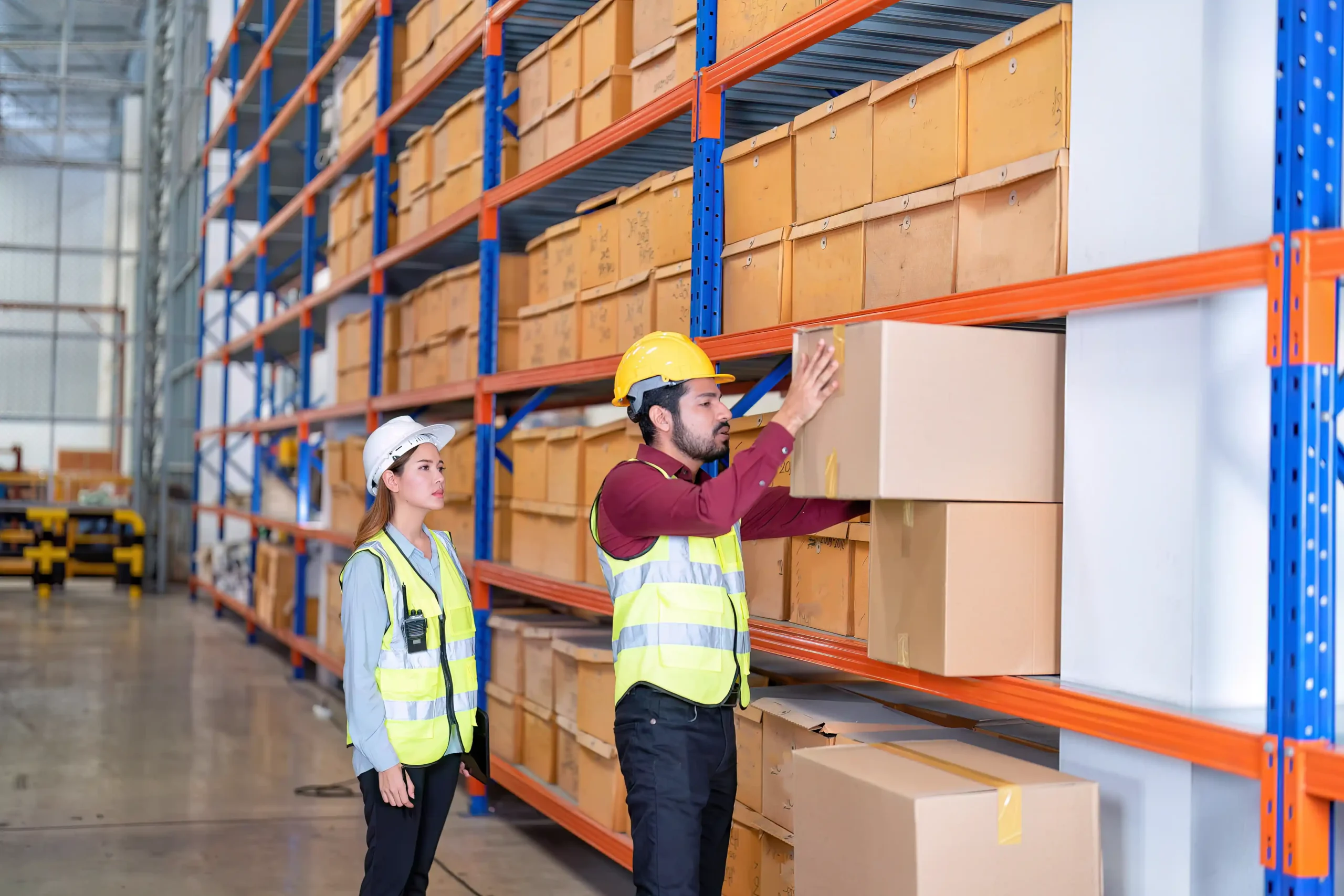
A racking system is not a one-time investment; it needs ongoing care to stay safe and functional. We train clients to walk their aisles daily to look for bent uprights, dislodged beams, or missing safety clips.
Weekly or monthly inspections often reveal early warning signs that can be fixed before they become costly problems. Environmental issues like humidity, standing water, or corrosive materials must be managed to prevent rust and weakening.
We also recommend scheduled professional inspections to ensure compliance and structural integrity over the years. By maintaining your warehouse storage rack system, you extend its lifespan and reduce downtime.
Today’s warehouses rely more than ever on technology to stay competitive, and your racking system must support that evolution. We integrate rack labels, barcode locations, and RFID markers to help WMS systems guide workers with accuracy.
For high-density environments, automation tools like shuttle systems or AMRs can interface directly with rack aisles. Conveyor connections, pick modules, and carton flow lanes can all enhance speed and reduce manual touches.
Data analytics also play a big role, as we regularly study pick paths, slotting trends, and dwell times to refine storage locations. The smartest warehouse storage rack system is one that grows more efficient the longer it’s used. Read more here.
The return on investment for a new racking system goes far beyond the cost of steel. Businesses often see immediate improvements in labor efficiency because workers travel less and pick faster.
Space savings are another major benefit, as increasing vertical storage can delay or eliminate the need to lease more warehouse buildings. Inventory accuracy usually increases once racks are labeled and organized logically.
Safety improvements also reduce damaged goods and prevent costly accidents. When you add these gains together, the ROI of a properly designed warehouse system becomes clear and measurable.
Selecting the right warehouse partner determines the success of your entire storage strategy. With over 35 years of experience at Tri-Link FTZ, we have handled every variation of SKU profile, building layout, and operational challenge you can imagine.
A true partner doesn’t just sell racks; they analyze your workflow, engineer the layout, and ensure long-term scalability. They coordinate with automation vendors, forklift teams, and compliance officials to deliver a complete solution.
When you work with a seasoned provider, you gain access to expertise that prevents costly mistakes and creates lasting operational improvements. That’s why choosing the right partner is as important as choosing the right warehouse storage rack system.
Choosing the right warehouse storage rack system is one of the most important decisions you can make for long-term efficiency, safety, and growth. After more than 35 years in the 3PL and FTZ industry, I’ve seen how the right design can transform an entire operation almost overnight.
When your rack system matches your workflow, your inventory moves smoother, your team works safer, and your warehouse becomes a true asset rather than a daily challenge. Whether you’re upgrading, expanding, or building from scratch, investing in a smart, well-engineered rack system will always pay off in performance and peace of mind.
Share this article