Warehouse storage crates are durable containers designed to store, organize, and transport products within a warehouse. They can be made from plastic, metal, or wood and often come in stackable, nestable, or modular designs.
These crates are essential for maximizing space, protecting inventory, and ensuring efficient picking, packing, and shipping processes.
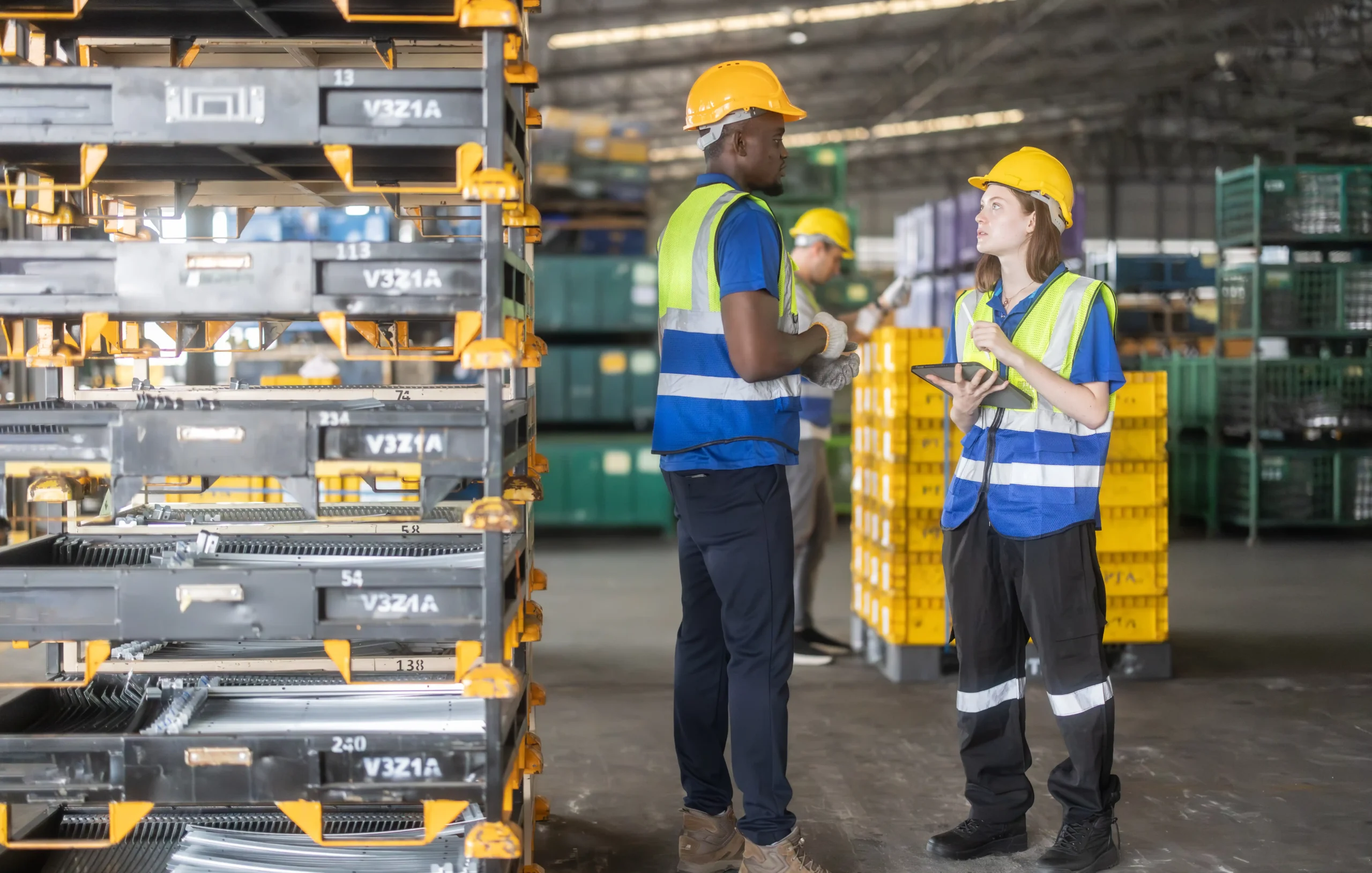
In my 35 years running a third-party logistics and foreign trade zone company, I’ve seen firsthand how a simple storage container can revolutionize a warehouse. Warehouse storage crates are more than just boxes—they are the backbone of an organized operation.
Without the right crates, inventory can pile up, employees spend too much time searching for items, and order fulfillment slows down. Crates allow for systematic storage, making it easier to locate and move products quickly.
They also protect items from damage and reduce safety risks. In today’s fast-paced supply chain environment, investing in proper storage crates is not optional—it’s essential.
Many warehouses struggle with underutilized or overcrowded storage space, which creates inefficiency and confusion. When crates are not organized, employees waste time searching for parts, slowing down picking and packing operations.
Poor-quality crates can break, damaging inventory and creating safety hazards. Seasonal inventory fluctuations also complicate storage, as space may be insufficient during peak periods.
Lastly, without clear labeling or tracking systems, crate organization can quickly fall apart, resulting in lost or misplaced items. From my experience, these challenges are avoidable with the right planning and crate selection.
Maximizing warehouse space requires more than simply buying crates—it’s about using them smartly. Stackable and nesting crates are excellent for vertical storage, allowing you to fully utilize high shelves without overcrowding aisles.
Selecting crates of different sizes helps accommodate both small and bulky items efficiently. Standardizing crate dimensions ensures they fit perfectly on shelving units or pallets.
Grouping crates by product type, frequency of use, or seasonality enhances workflow and accessibility. Mobile crates also allow flexibility in high-traffic areas, reducing congestion and improving operational flow.

There are several types of warehouse storage crates, each suited for different purposes. Plastic crates are lightweight, durable, and resistant to moisture, making them ideal for small to medium-sized items.
Metal crates are strong, ideal for heavy or hazardous materials, and have a long lifespan. Wooden crates work well for bulky or fragile items and can often be reused or customized for specific inventory.
Stackable crates save space while keeping items accessible, and nestable crates collapse when empty to reduce storage footprint. Choosing the right type ensures efficiency, safety, and cost-effectiveness.
The material of your warehouse storage crates significantly impacts their performance and lifespan. Plastic crates are versatile, lightweight, and resistant to moisture, chemicals, and pests, making them ideal for warehouses handling diverse inventory.
Metal crates are durable and can withstand heavy loads or harsh environments, but they are heavier and may require more handling care. Wooden crates provide solid support for bulky or fragile items and are often customizable for unique storage needs.
Durability also matters for crate design; reinforced corners, stackable features, and ventilation options enhance functionality. Selecting crates with the right combination of material and design prevents damage, ensures safety, and supports long-term operational efficiency. Read more here.
Effective organization is the key to unlocking productivity with storage crates. In my experience, grouping crates by product type, size, or frequency of use simplifies picking and packing processes.
Labeling each crate clearly reduces errors and speeds up retrieval times. Color-coded crates can help employees quickly identify different inventory categories, especially in large or busy warehouses.
Arranging crates systematically on shelves, racks, or pallets ensures easy access while maintaining optimal aisle space. Seasonal or fluctuating inventory should have designated crate zones to accommodate changes without disrupting workflow.
By organizing crates strategically, a warehouse can handle higher order volumes without increasing physical space.
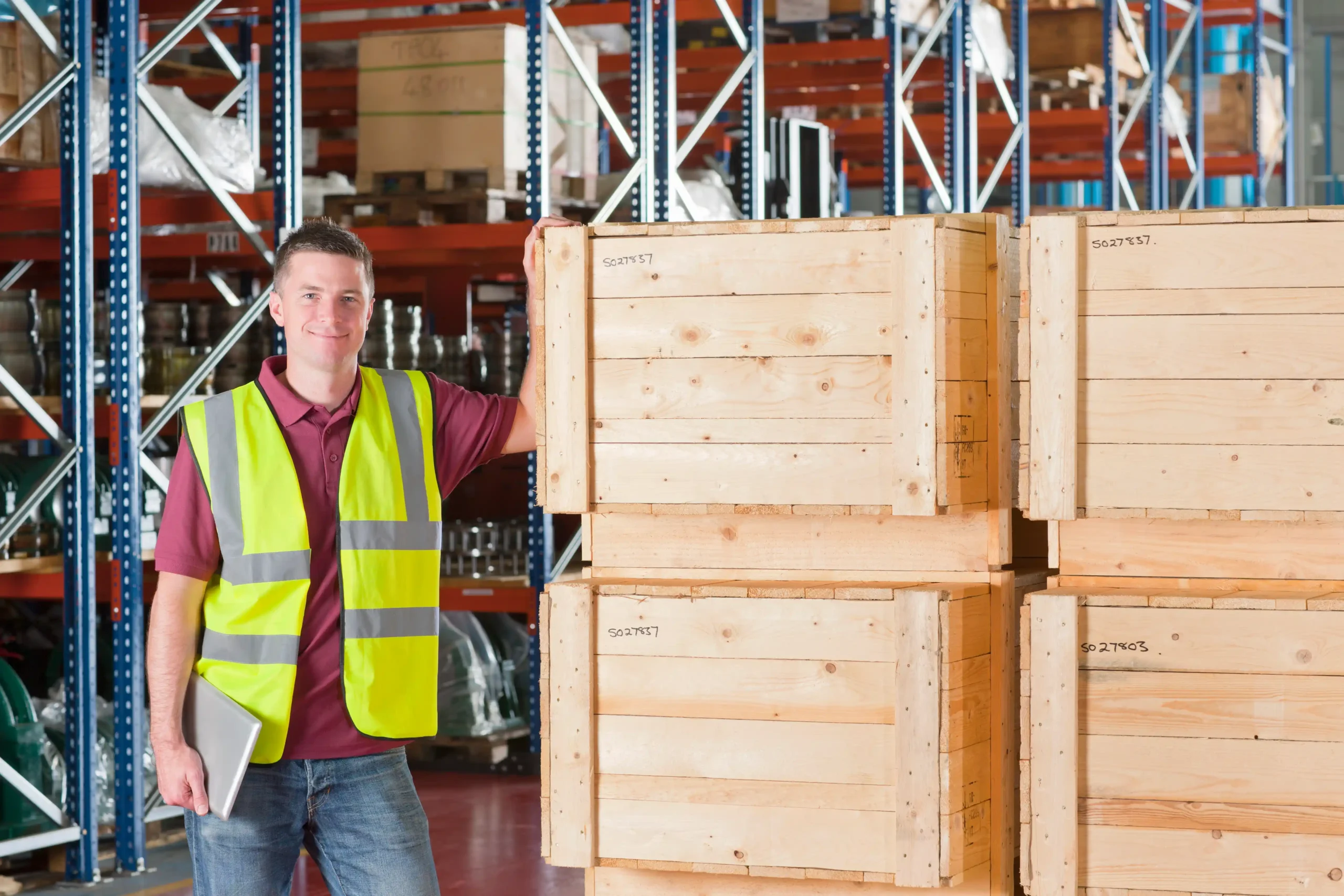
Modern warehouses benefit greatly from technology when using warehouse storage crates. Barcoding systems allow real-time tracking of crate contents, improving accuracy and reducing misplaced items.
Warehouse management systems (WMS) can map crate locations, monitor stock levels, and optimize picking routes. RFID-enabled crates further enhance automation, providing instant visibility into inventory movement.
Even simple digital logs of crate usage can reduce human error and improve workflow planning. Combining physical storage with technological tools transforms crate management from a manual chore into a streamlined, data-driven operation that supports faster, more accurate order fulfillment. Read more here.
Safety in the warehouse is non-negotiable. Properly designed warehouse storage crates reduce the risk of injuries from falling items, lifting heavy loads incorrectly, or tripping over clutter.
Crates should be capable of handling the weight of their contents without bending or breaking. Open-front designs allow employees to access items without straining, while stackable crates must be secured to prevent tipping.
Fragile items require crates with reinforced walls, padding, or compartmentalization to avoid damage. Regular inspections ensure that damaged crates are replaced promptly, keeping the warehouse a safe environment for all staff.
Implementing warehouse storage crates doesn’t have to break the budget. In my experience, evaluating your current inventory needs before purchasing crates ensures you buy only what’s necessary.
Stackable and nestable crates offer excellent cost savings, as they reduce storage space when empty and allow more items to fit per square foot. Investing in durable crates upfront minimizes replacement costs and reduces downtime caused by damaged containers.
Bulk purchasing is another strategy that lowers per-unit cost, especially when working with plastic crates that are uniform in size. Even small changes, like standardizing crate sizes across departments, can streamline warehouse operations while cutting costs significantly.
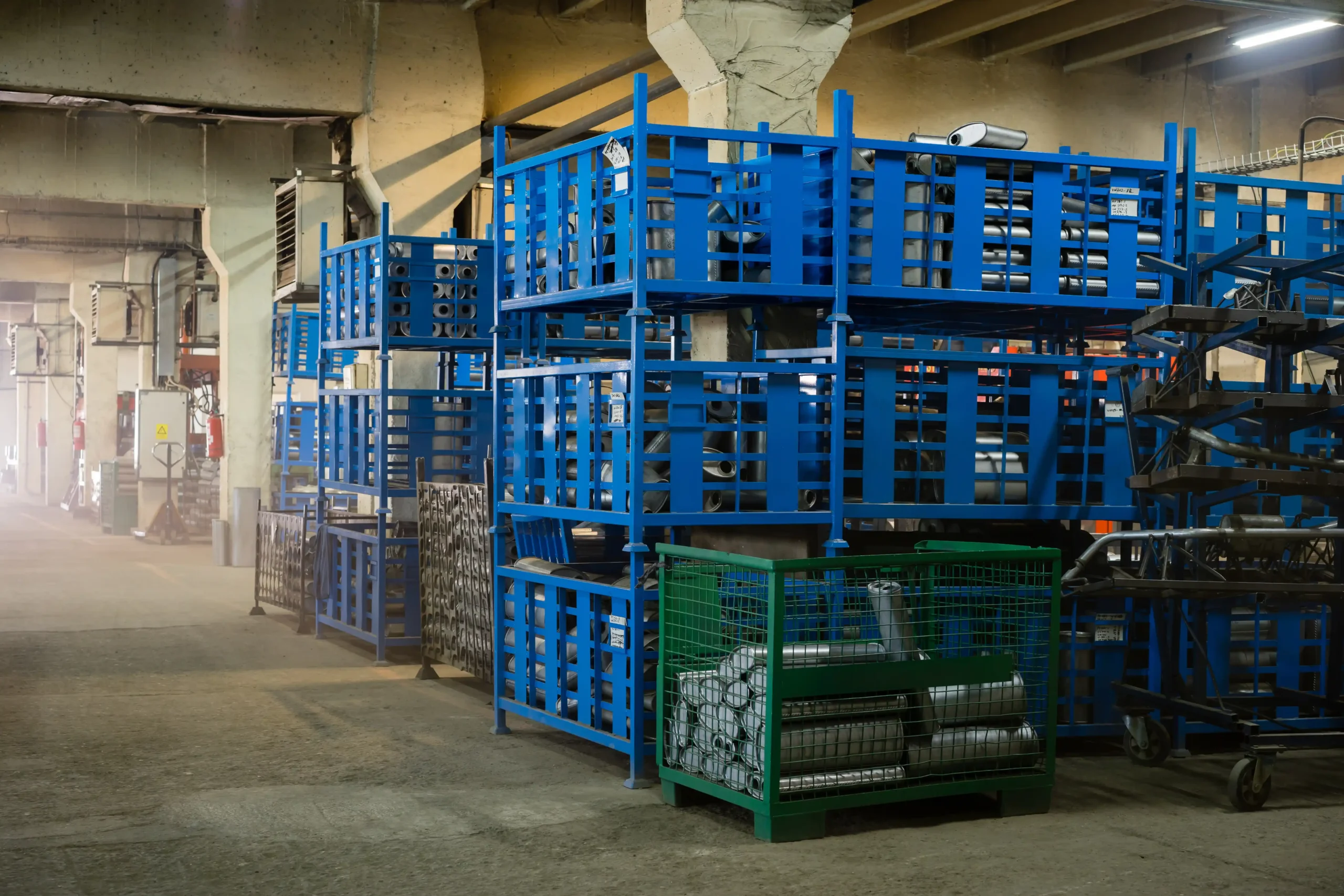
Sustainability is becoming increasingly important in modern warehousing. Using recycled or reusable warehouse storage crates reduces waste and environmental impact while maintaining durability and efficiency.
Crates made from post-consumer recycled plastics are widely available and can withstand heavy use without compromising safety. Implementing a crate rotation program extends the life of containers and minimizes disposal needs.
Some facilities even partner with manufacturers to return worn crates for refurbishment, creating a circular storage system. By integrating eco-friendly crate solutions, a warehouse can align with sustainability goals while still optimizing storage and operations.
Seasonal inventory fluctuations can challenge any warehouse, but warehouse storage crates provide flexible solutions. Temporary crate zones can be created to accommodate peak-season products without disrupting core operations.
Labeled and color-coded crates help staff quickly distinguish seasonal stock from regular inventory. Nestable crates are particularly useful during off-season periods, saving space and keeping the warehouse organized.
Crates can also be assigned to specific SKUs or product families, making it easier to adjust inventory levels without reconfiguring shelves. Planning ahead and maintaining flexible crate assignments ensures that seasonal surges do not slow down fulfillment or compromise warehouse safety.
After decades in third-party logistics, I’ve learned that having the right crates is only part of the solution; proper implementation is key.
First, clearly label every crate with both product name and SKU to avoid confusion during picking and restocking. Group crates by product type, frequency of use, or size to make high-demand items easily accessible.
Ensure there is enough aisle space between crate stacks to prevent accidents and allow smooth forklift or handcart operation. Regular staff training is crucial so employees know how to handle crates safely and efficiently, including lifting heavy crates correctly.
Additionally, periodic audits help ensure crates remain in good condition, and inventory levels stay accurate, preventing unnecessary overstock or misplaced items.
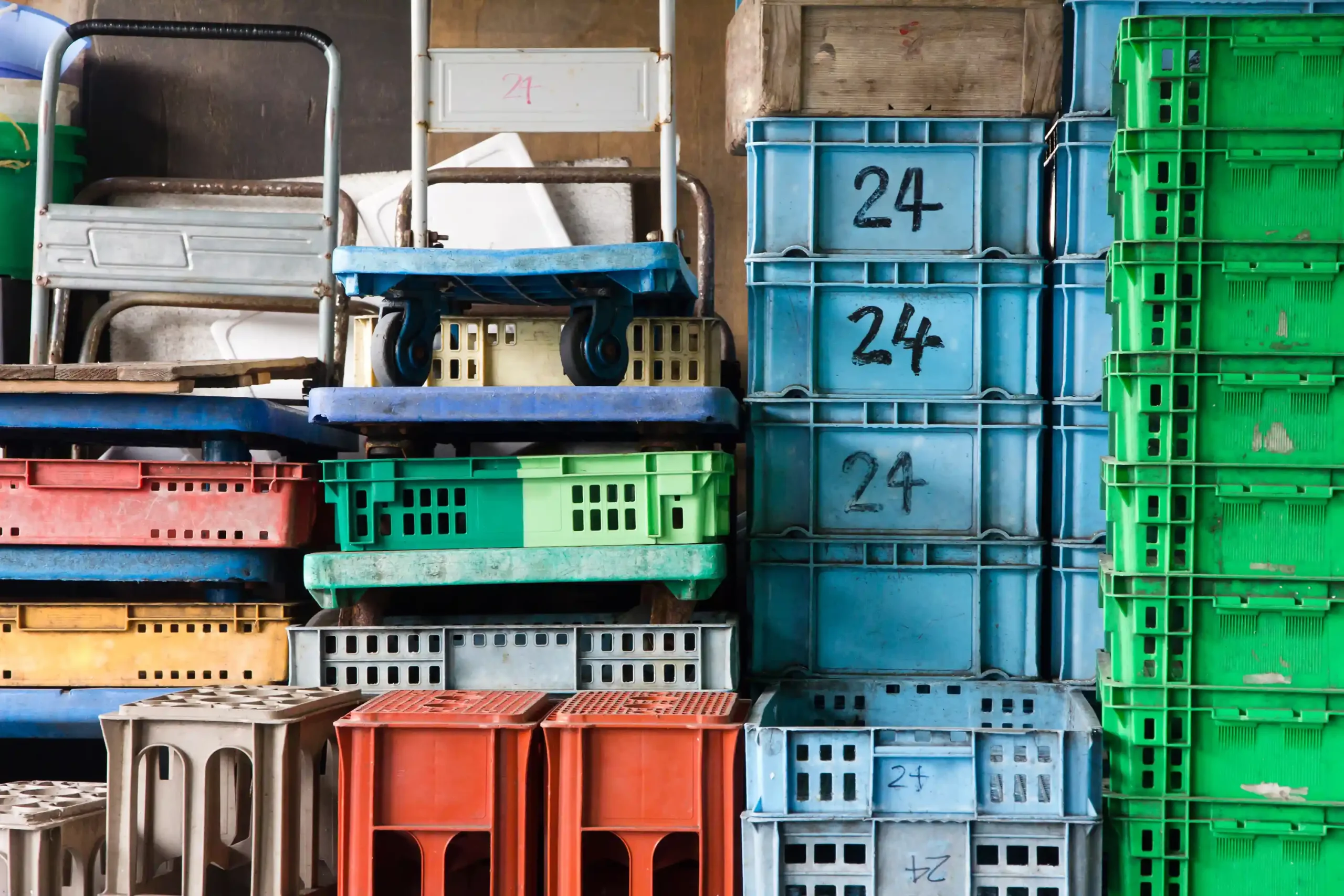
In our Tri-Link FTZ operations, we’ve seen firsthand how warehouse storage crates can transform efficiency. In one of our fulfillment centers, we switched from generic shelving to standardized stackable crates for small parts.
This simple change reduced picking times by 35% and improved order accuracy significantly. In another case, using color-coded crates for seasonal inventory allowed us to manage holiday surges without needing extra warehouse space.
For fragile items, we implemented padded crates with reinforced sides, which cut product damage claims by nearly 50%. These examples show that selecting the right crates and using them strategically can directly improve productivity, safety, and cost-effectiveness.
Warehouse storage crates may seem like a simple operational tool, but when chosen and implemented correctly, they become a powerful driver of efficiency, accuracy, and cost savings. By selecting the right crate types, organizing them strategically, and integrating technology, warehouses can streamline workflows and support long-term growth. For any facility aiming to improve productivity without major infrastructure changes, investing in smarter crate systems is one of the most effective steps you can take.
Share this article