Warehouse storage and distribution refers to the combined process of storing goods safely and delivering them to their next destination in the supply chain. In simple terms, storage protects products until they are needed, and distribution ensures those products move quickly and accurately to customers, retailers, or other facilities.
Together, these operations keep businesses running smoothly, especially in industries that rely on fast and dependable order fulfillment. When done well, warehouse storage and distribution reduce delays, prevent stockouts, and support long-term growth.
In today’s fast-moving market, this combined function has become a major factor in whether a business can keep up with customer expectations.
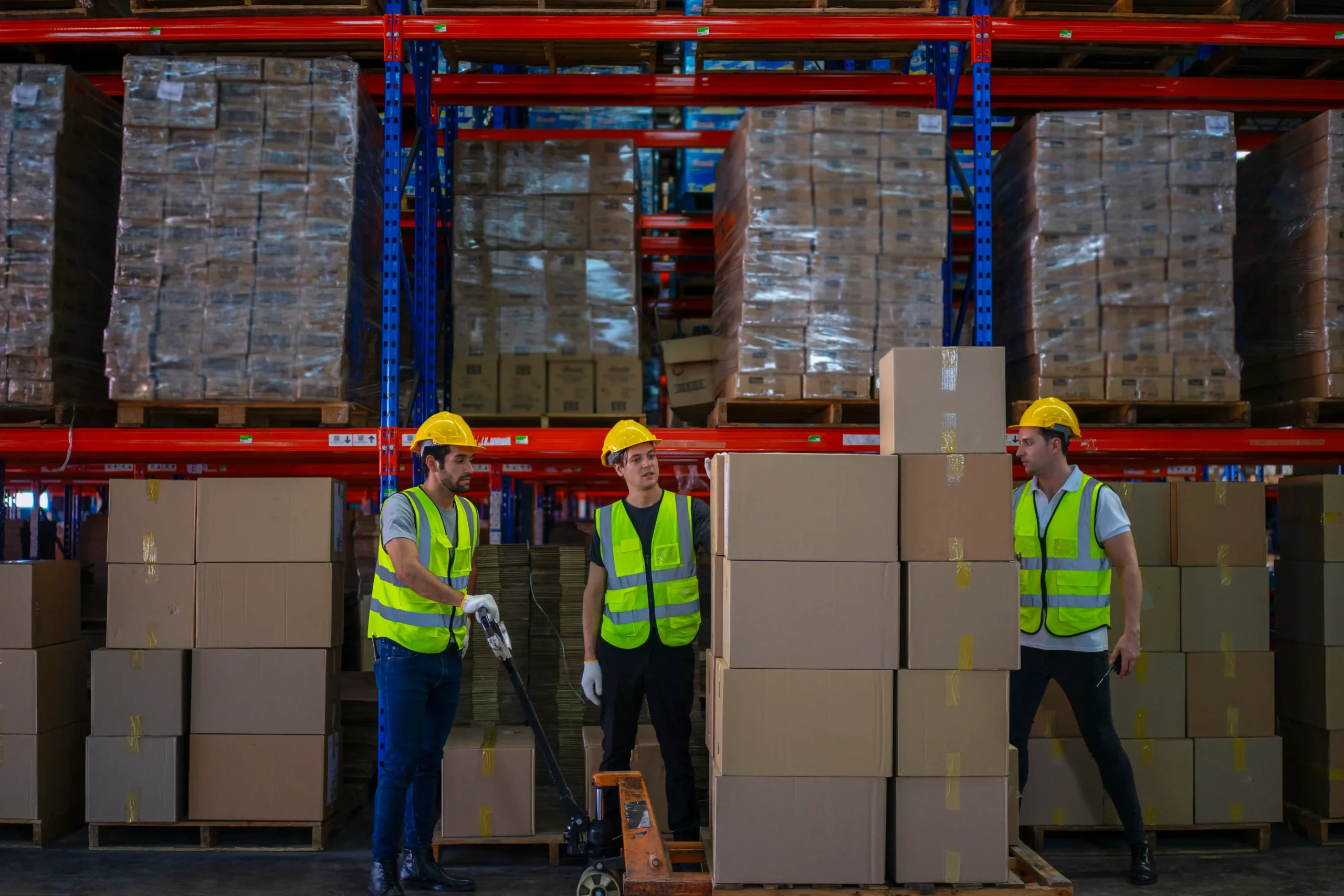
When I first began in logistics more than three decades ago, most businesses saw warehousing as simple storage. Today, it has become one of the most important drivers of customer satisfaction and profitability.
Companies are under more pressure than ever to ship quickly, maintain accurate inventory, and avoid costly mistakes. With ecommerce demand rising and supply chains becoming more complex, warehouse storage and distribution now determine whether a brand grows or falls behind.
At Tri-Link FTZ, I’ve watched businesses transform their operations simply by improving how their products are stored and shipped. Even small adjustments in layout, organization, or tracking can reduce wasted time and cut costs dramatically.
What once was a back-end function is now a strategic advantage.
Over the years, I’ve seen many business owners underestimate how many moving parts exist within a well-run warehouse. The process covers everything from receiving shipments and checking inventory to picking orders, packing goods, and scheduling outbound transportation.
It also involves choosing the right type of storage for each product—whether that means pallet racks, bulk stacks, climate-controlled rooms, or secure areas for sensitive items. Distribution adds another layer with activities like order consolidation, labeling, cross-docking, and quality checks.
Each of these pieces must work together in a smooth flow to support fast and dependable shipping. When businesses try to manage all of this in-house without proper systems or trained staff, it often leads to bottlenecks, errors, and unnecessary expenses.
One of the biggest lessons I’ve learned throughout my career is that a supply chain is only as strong as its warehouse. When storage is organized and distribution flows well, everything else—from purchasing to sales—moves more efficiently.
Better inventory positioning reduces shipping distances and transit times, which saves money and improves customer satisfaction. When inventory data is accurate, teams make smarter decisions about restocking, pricing, and forecasting.
Fast, precise order fulfillment strengthens a brand’s reputation and reduces customer service issues. And when warehouse operations run smoothly, businesses avoid hidden costs like rework, lost inventory, and rushed shipping fees.
Good warehouse storage and distribution bring together people, processes, and technology in a way that turns logistics into a competitive advantage.
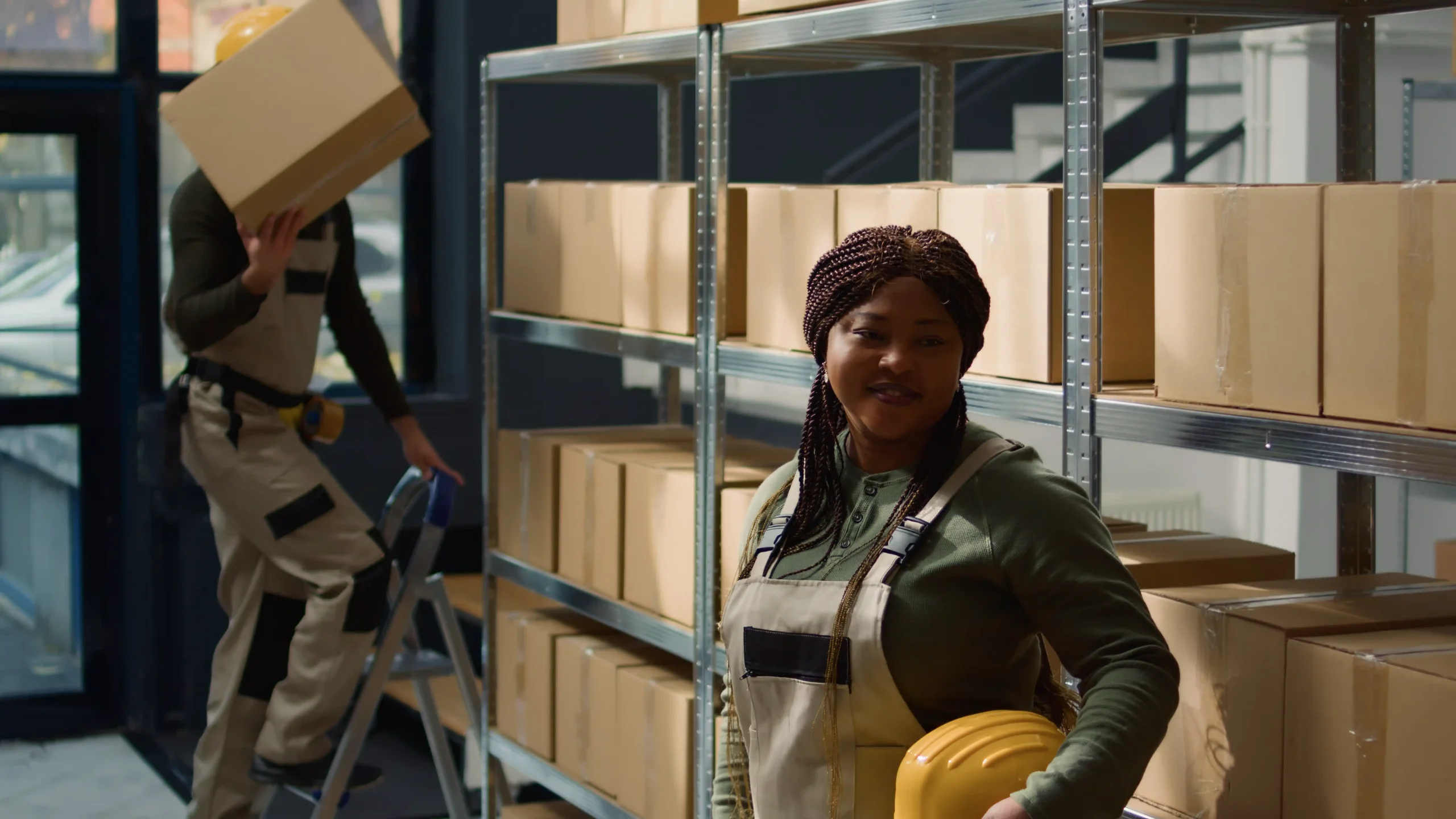
Many companies try to run their own warehouse before realizing how demanding it can be. Space fills up quickly, especially with seasonal products or bulky shipments. Without a planned layout, workers spend extra time searching for items, which slows down every stage of fulfillment.
Manual inventory tracking—usually in spreadsheets or notebooks—leads to errors that cost real money through stockouts, oversells, or lost products. Staffing is another common challenge because hiring and training reliable warehouse workers requires both time and expertise.
When shipments begin to increase or new sales channels open up, the gaps in these operations become even more noticeable. I’ve met many business owners who felt overwhelmed and exhausted by the daily chaos of warehouse management before partnering with us.
A poorly run warehouse doesn’t just create frustration—it quietly drains profit in ways many businesses don’t realize until they analyze the numbers. Every time a shipment is late, a customer is disappointed.
Every time a worker picks the wrong item, the business pays twice: once to ship it out and again to ship it back. Every time inventory is misplaced, the company carries unnecessary costs or misses sales. Incomplete or inaccurate data can lead to over-ordering or under-ordering, each with expensive consequences.
Delays in receiving can slow down production or hold up restocking for retailers. And when a company grows without improving its warehouse systems, labor costs can rise faster than revenue. These issues become even more noticeable when the business hits peak season or expands into new markets.
Over time, fixing the warehouse can create more savings than cutting marketing budgets or renegotiating contracts.
Throughout my years operating Tri-Link FTZ, I’ve watched companies struggle simply because their warehouse was in the wrong place. Location is not just about convenience; it determines transit times, freight costs, and the ability to reach customers quickly.
If a warehouse sits too far from ports, airports, or parcel hubs, shipping becomes slower and more expensive, which affects every order. Some businesses also discover too late that their warehouse lacks the proper certifications or compliance practices, making it risky to store food, pharmaceuticals, electronics, or import-regulated goods.
A facility without scalable space or modern technology can limit a company’s growth long before the leadership realizes the cause. These risks may seem small at first, but over time they restrict a business’s ability to operate smoothly and compete effectively.
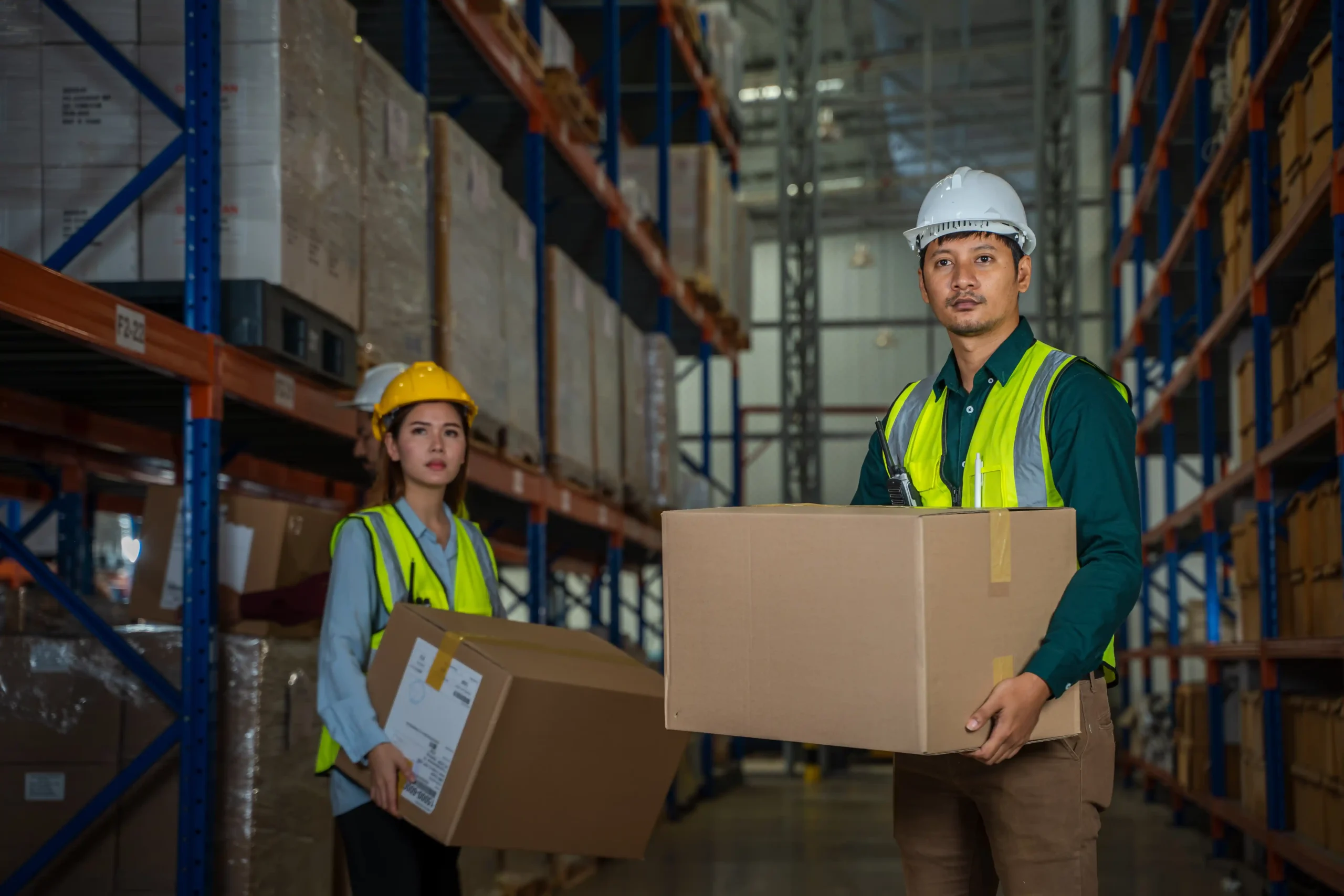
One of the most important decisions a growing business can make is choosing the right logistics partner. The best providers offer a wide range of services that include secure storage, accurate order fulfillment, kitting, labeling, and returns handling.
They also maintain facilities with strong infrastructure, flexible storage options, climate control, and safety systems designed for different product types. Technology plays a major role because real-time tracking, transparent reporting, and system integrations help businesses stay confident in their inventory.
Location is another essential factor since close proximity to major freight corridors shortens delivery times and reduces shipping costs. And, of course, experience matters—especially when businesses rely on complex import processes or ever-changing customer demand.
A partner should act as an extension of the client’s team, not just as a vendor.
When I explain the benefits of outsourcing to a 3PL, I often focus on the improvements in accuracy and speed. Third-party logistics providers operate with standardized processes, trained staff, and proven methods for receiving, storing, and shipping products.
These systems help reduce mistakes and create predictable outcomes for clients. Because 3PLs work with many different businesses, they can scale labor quickly, share infrastructure, and negotiate better carrier rates than most companies can achieve alone.
Technology further enhances performance by using barcode scanning, automated workflows, and integrated platforms that give clients a clear view of their operations. In my experience, businesses that partner with a 3PL see improvements not only in fulfillment but also in customer satisfaction, since orders arrive faster and with fewer errors.
For import-heavy businesses, working with a Foreign Trade Zone provides financial and operational advantages that traditional warehouses cannot match. At Tri-Link FTZ, we have helped companies defer duties, reduce tariffs, and improve cash flow by storing goods inside the FTZ until they officially enter U.S. commerce.
Many of our clients benefit from lower landed costs and the ability to re-export products without paying unnecessary duties. The FTZ environment also offers strict inventory control systems that support compliance with customs regulations.
By combining 3PL services with FTZ benefits under one roof, we give clients a seamless experience that simplifies everything from receiving containers to shipping out orders. Over the last 35+ years, this integrated model has allowed businesses to scale without the usual financial strain that comes with importing large volumes.
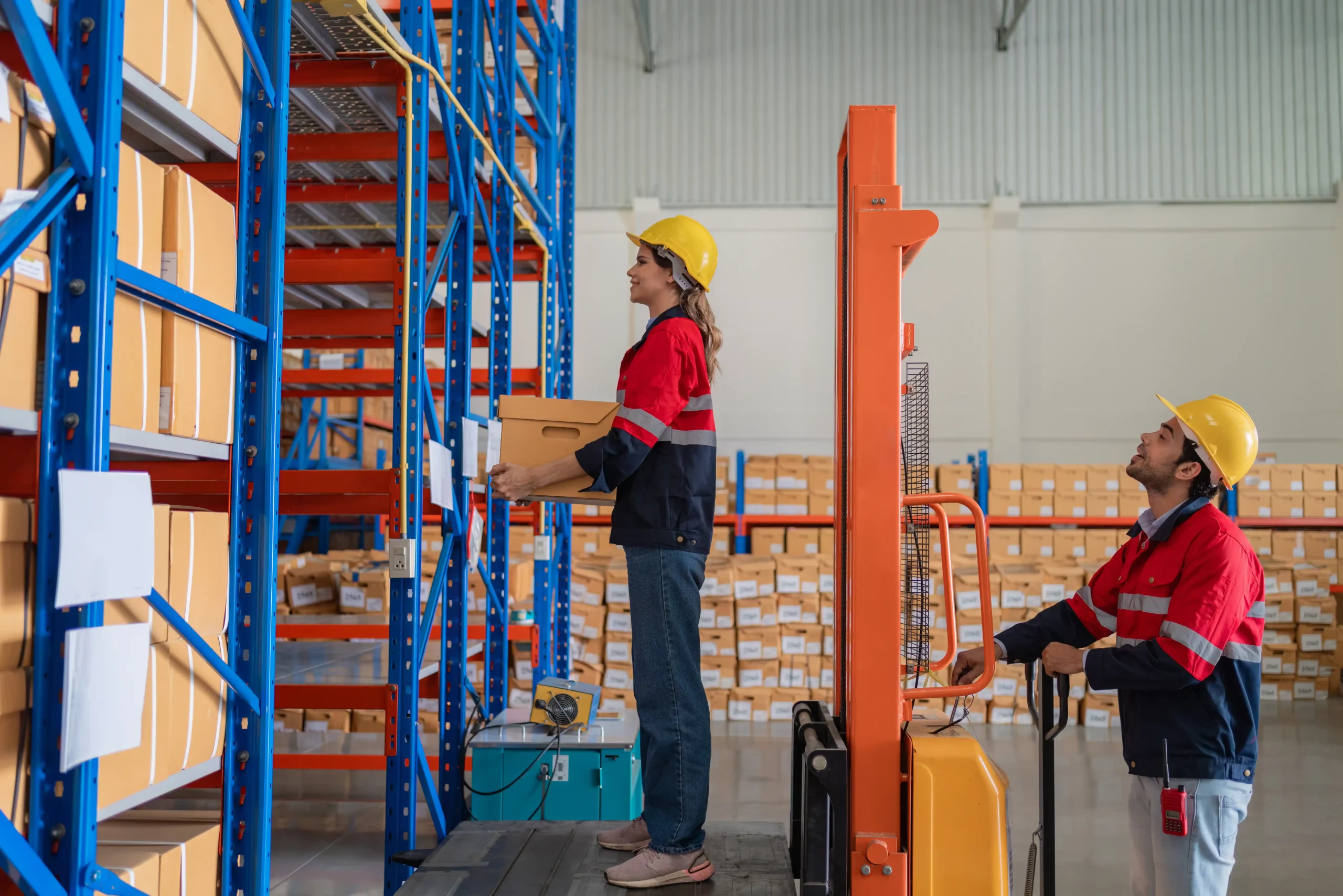
As businesses expand, their order fulfillment processes must evolve with them. Picking methods play a significant role in warehouse efficiency, and choosing between single-order, batch, wave, or zone picking depends on the type of products and the volume of orders.
Packing involves much more than putting items into boxes; it requires choosing appropriate materials, following branding requirements, and ensuring that every shipment is secure and accurate. Workflows like kitting, bundling, and order consolidation make fulfillment faster and reduce the number of mistakes.
Returns also need a structured process so that items can be inspected, restocked, or removed from inventory quickly. At Tri-Link FTZ, we regularly audit our workflows to keep operations running smoothly, especially when new clients come on board or during seasonal peaks.
Good processes don’t just support accuracy—they support a company’s reputation. Read more here.
Modern warehouse storage and distribution rely heavily on technology to stay competitive. Warehouse Management Systems monitor inventory locations, stock levels, and activity in real time, giving businesses the clarity they need to plan their operations. Order Management Systems route orders to the correct facility and minimize delays.
Scanning technologies reduce mistakes caused by manual entry, while automation tools accelerate receiving and picking. Integrations connect marketplaces, ecommerce platforms, and ERPs so that inventory stays accurate everywhere.
Data dashboards give leadership insight into metrics like order accuracy, inventory turnover, and cost per order. Over the years, I’ve seen technology become one of the most important differentiators in logistics, and companies that embrace it consistently outperform those that rely on outdated methods. Read more here.
After more than 35 years in this industry, I’ve learned that strong warehouse storage and distribution systems are the backbone of every successful supply chain. When businesses partner with the right 3PL or FTZ facility, they gain the speed, accuracy, and stability needed to scale with confidence.
At Tri-Link FTZ, we built our services around helping companies grow without the usual strain that logistics brings. The right support can turn a challenging operation into a dependable engine for customer satisfaction and long-term success.
If your business is ready to improve performance and reduce complexity, a stronger warehousing and distribution strategy is one of the most effective places to start.
Share this article