Warehouse pallet robots are robotic systems designed to pick up, move, and place pallets with minimal or no human intervention. These machines can be fixed robotic arms or mobile platforms that navigate on their own using sensors and AI.
They are built to handle repetitive and labor-intensive tasks, like palletizing or transferring goods, with precision and speed. At Tri-Link FTZ, we view these robots as game-changers for improving fulfillment timelines and reducing physical strain on workers.
After 35 years in third-party logistics, I can confidently say this is one of the most transformative technologies our industry has seen.
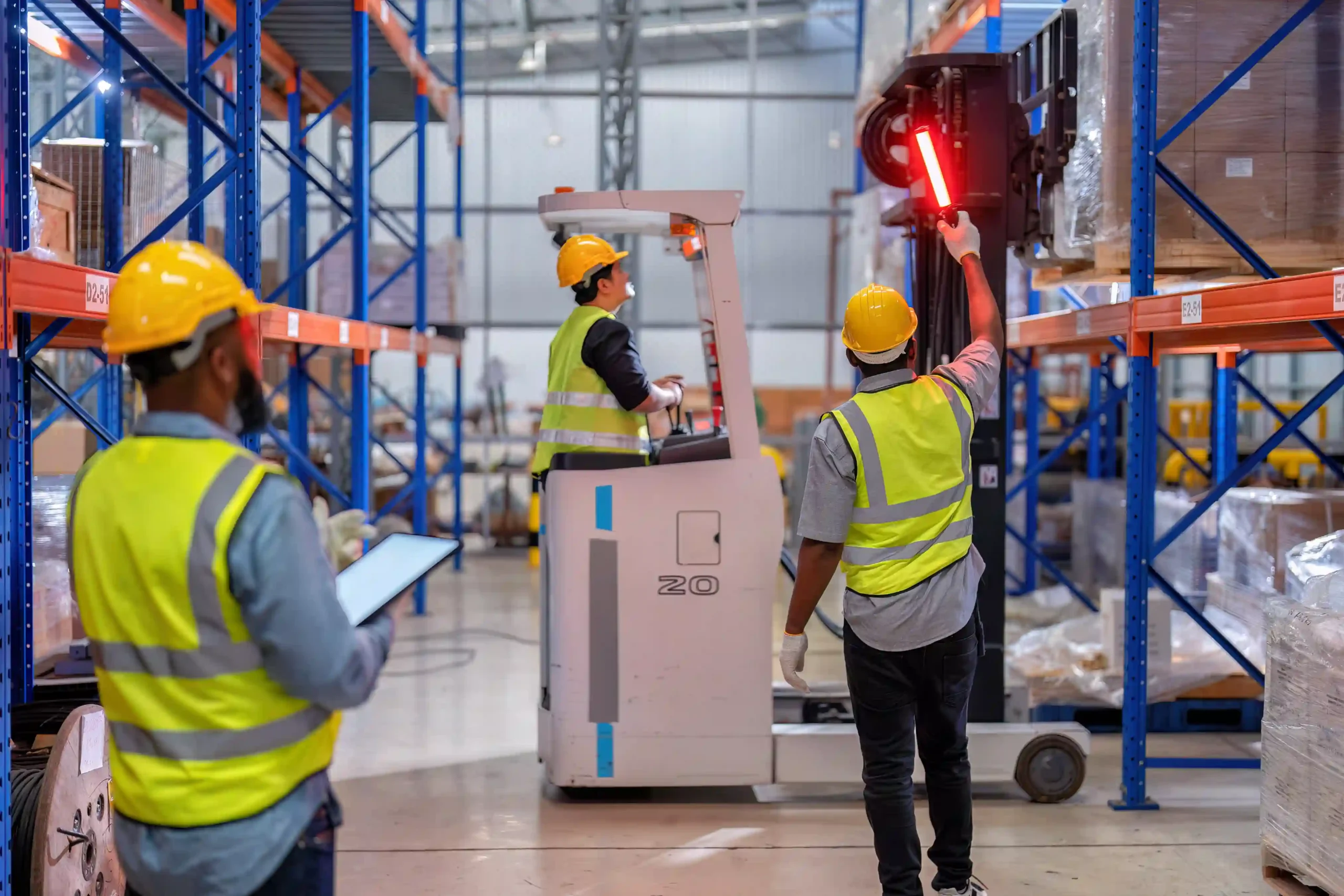
I still remember the day our first robotic pallet mover rolled onto the warehouse floor. There was hesitation, some skepticism—after all, our team had been using forklifts and manual labor for decades.
But within a few weeks, the results were undeniable. The robot was consistent, fast, and required almost no supervision.
It quickly took over repetitive pallet staging, allowing our team to focus on higher-level work like quality assurance and inventory tracking. That experience taught us that warehouse pallet robots aren’t just about replacing labor—they’re about upgrading how you use your team’s time and energy.
When it comes to warehouse pallet robots, one size doesn’t fit all. Some are Automated Guided Vehicles (AGVs) that follow magnetic paths or sensors. Others are Autonomous Mobile Robots (AMRs) that think on the fly using AI and vision systems.
There are also robotic arms specifically built for palletizing and depalletizing. Choosing the right type depends on your space, load size, and speed requirements.
For example, if you have a tight layout, smaller AMRs are ideal. If you’re moving large volumes of heavy material, a robotic arm with a high payload capacity makes more sense.
We often advise clients to consider mixed-SKU handling capabilities if their inventory varies a lot.
There isn’t just one kind of warehouse pallet robot. Some are collaborative robots (cobots) designed to work safely around humans.
Others are autonomous mobile robots (AMRs) built for navigating large spaces with precision. We’ve also worked with robotic arms for palletizing, which can handle heavy loads with great speed.
The type you choose depends on your space, workflow, and product type. For example, if you’re working with high-volume goods that require stacking, a high-payload robotic arm might be ideal.
If you need flexible transport between storage zones, AMRs with pathfinding capabilities can optimize routing and reduce traffic in the aisles. Read more here.
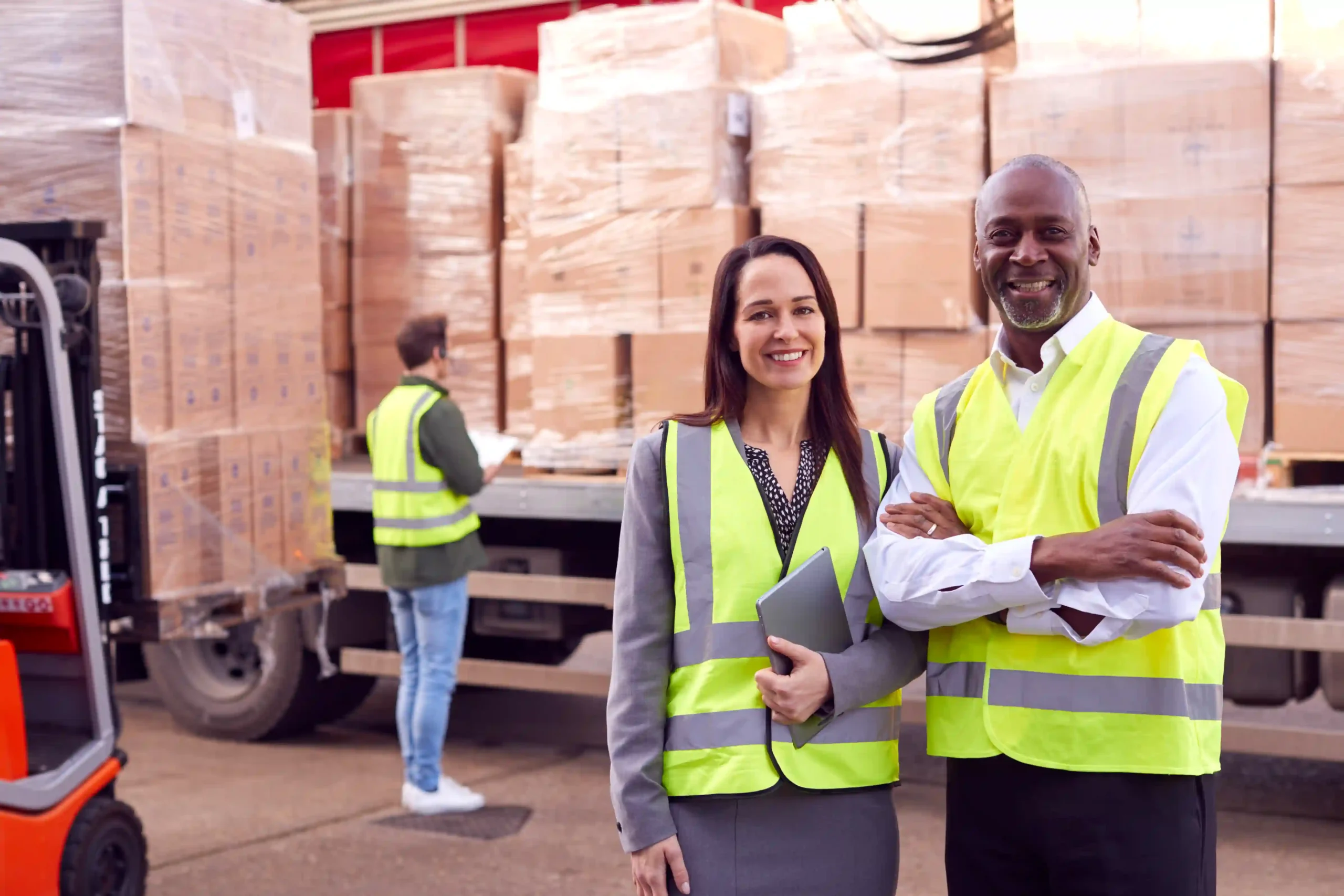
Having spent years managing forklift operations, I can tell you that forklifts have their place, but they come with limitations. Skilled operators are hard to find, and human fatigue leads to inconsistency.
Warehouse pallet robots, in contrast, are built to operate non-stop with minimal maintenance. They follow precise routes, reduce product damage, and limit the chance of workplace injury.
What’s more, they can log every movement and task in real time, feeding critical data back to our WMS. This visibility is something forklifts simply can’t offer.
It’s like comparing a typewriter to a modern PC—both can type, but only one gives you analytics, speed, and storage. Read more here.
Labor reduction is the headline benefit, but the ripple effects are even more impactful. At Tri-Link FTZ, we saw a 40% increase in order accuracy within two months of deploying our first warehouse pallet robots.
Tasks that once took 8 hours were being completed in 4, and we didn’t need to expand our team to keep up with growing volume. Our robotics also allowed us to reallocate team members to roles in inventory analysis and customer service.
The result? Happier clients and a more engaged workforce.
These robots help reduce congestion, boost morale, and support 24/7 operations without the burnout. That’s the kind of return you can’t measure in just dollars.
Costs vary depending on your needs. Here’s a quick breakdown of what businesses might expect when budgeting for robotic pallet systems:
Robot Type | Average Cost Range | Ideal Use Case |
AMRs | $35,000 – $60,000 | Transport across large floor areas |
Robotic Arms | $80,000 – $120,000 | High-speed palletizing and sorting |
Heavy-Duty AGVs | $100,000+ | Industrial loads, repetitive transfer |
For smaller operations, leasing options and robots-as-a-service (RaaS) models can help keep upfront costs low. Many of our clients recover their investment within 12 to 18 months, especially when replacing multi-shift forklift operations.
Add in reduced shrinkage, improved customer satisfaction, and better data analytics, and the long-term ROI becomes crystal clear.
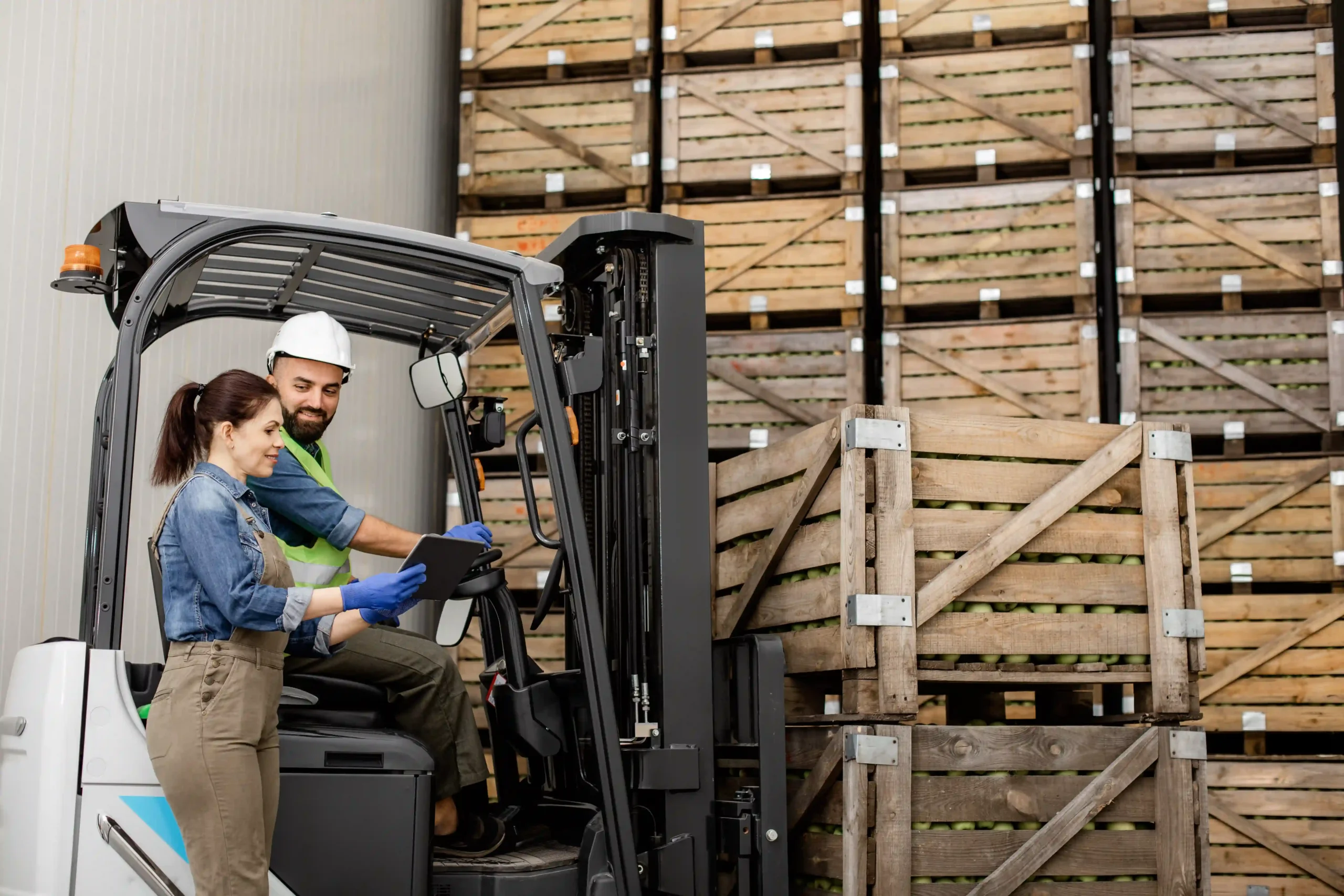
Safety is always top of mind. One of the biggest benefits of warehouse pallet robots is their built-in safeguards. They’re equipped with 360-degree sensors, emergency shutoffs, and obstacle detection.
At our FTZ facility, we integrated our robots with our warehouse management system (WMS) so they could navigate without interfering with workers or manual processes. They also sync with inventory software, automatically updating stock levels as they move items.
This level of automation cuts down on human error and provides real-time visibility. Plus, our team feels safer working alongside these robots than with traditional forklifts.
From a sustainability perspective, warehouse pallet robots help us cut down on energy waste and optimize our space. Since they require less aisle clearance, we’ve been able to install higher-density shelving, reducing the overall square footage needed per pallet.
They also use electric batteries, meaning fewer emissions and lower operating costs. On the scalability side, we’ve found that once one robot is operational and integrated, adding more units is straightforward—both in terms of training and software configuration.
That kind of plug-and-play scalability makes growth far less painful, especially during peak seasons or client onboarding.
Looking forward, I see even more potential for warehouse pallet robots as AI and machine learning evolve. We’re already seeing units that can reroute themselves during congestion, or collaborate as a fleet to distribute workload evenly.
The next phase will involve full warehouse orchestration—where robots, inventory systems, and human managers all communicate in real time to balance throughput, staffing, and replenishment. Tri-Link FTZ is preparing for that future right now.
We’re constantly piloting new systems and analyzing performance data so that when a new solution hits the market, we can deploy it quickly and stay ahead.
Share this article