Warehouse logistics optimization is the strategic process of making your warehouse operations more efficient. That means improving how goods are received, stored, picked, packed, and shipped.
It involves the smart use of space, technology like WMS and automation, and process design. At its core, it’s about using fewer resources to get better results.
When done right, it reduces operational costs, boosts order accuracy, and improves customer satisfaction. At Tri-Link FTZ, we think of optimization as an ongoing effort—not just a one-time project.
It’s how we’ve helped businesses thrive for over three decades. We combine tech tools with firsthand logistics experience to create warehouses that are fast, reliable, and scalable.
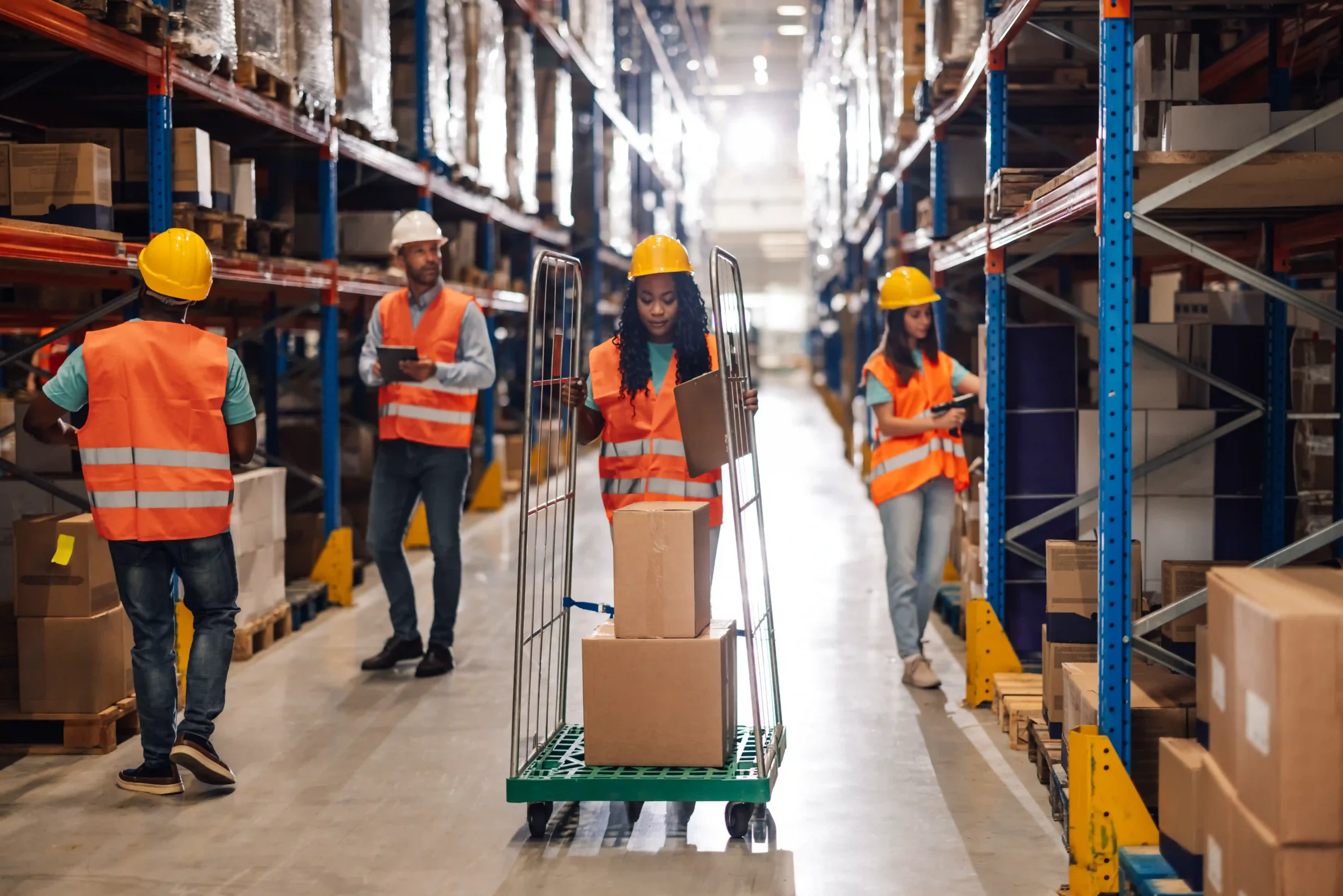
I’ve seen what happens when logistics are left to chance. Inventory errors pile up.
Orders go out late. Costs creep higher. And most importantly, customers notice.
That’s why warehouse logistics optimization isn’t just a nice-to-have—it’s a necessity. Businesses today operate in a world where Amazon has set the standard for fast, flawless shipping.
If you want to compete, your operations have to be sharp. Optimizing your warehouse gives you an edge.
It helps you keep costs low, keep your promises to customers, and create room to grow. When we optimize a client’s logistics, we often see a drop in labor costs, an increase in inventory accuracy, and improved delivery timelines.
Those results speak for themselves. Read more here.
In our consulting work, we’ve walked into warehouses big and small, and the same issues show up again and again. The first is poor space utilization.
Products are stacked wherever they fit, not where they make sense. That leads to long pick times and bottlenecks.
Next comes outdated technology. I’m always surprised at how many businesses still rely on spreadsheets or siloed systems that don’t talk to each other.
Then there’s the human factor. Without the right training or processes in place, even the best employees make costly errors.
We also see a lack of inventory visibility. That’s when businesses lose track of what’s on the shelf versus what’s in the system.
Add in seasonal demand changes and the pressure of tight delivery windows, and things quickly spiral out of control. Optimization isn’t about fixing one issue—it’s about fixing how the whole system works together.
One of the fastest ways to improve a warehouse is to redesign its layout. A good layout isn’t about how much you can store—it’s about how fast you can move product.
We look at product velocity, picking paths, and storage types. For example, high-demand items should be stored near the shipping area.
Heavy items should be placed at waist height to reduce injuries and pick time. We’ve helped clients re-slot their warehouses and immediately cut their picking times by 30%.
Sometimes we’ll add narrow-aisle racking to increase capacity or reorganize seasonal products so they’re easier to reach during peak months. Optimizing space doesn’t mean adding more shelves—it means making every square foot work harder. Read more here.
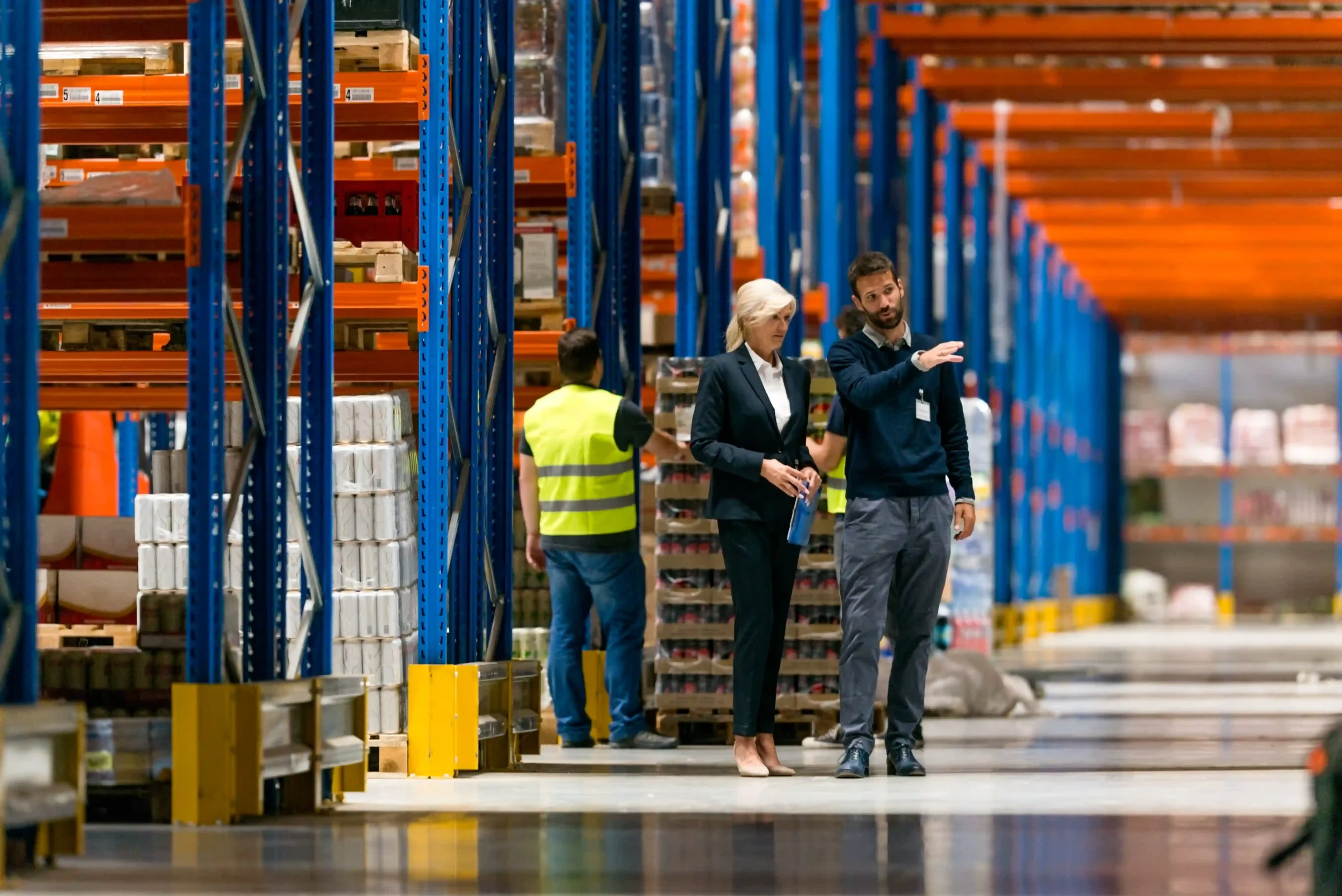
If you want to run a modern warehouse, you need modern tools. Warehouse Management Systems (WMS) are essential. They help track inventory, improve order accuracy, and reduce manual errors.
We’ve implemented WMS solutions that allow clients to go from 85% to 99.5% order accuracy in under six months. But WMS is just the beginning.
Automated conveyors, RFID scanning, and barcode systems all improve flow and reduce labor waste. One client saved $80,000 a year just by installing pick-to-light systems.
We also use real-time dashboards to show KPIs like pick rate, dock-to-stock time, and on-time shipping rate. Technology isn’t there to replace people—it’s there to help them work smarter.
Inventory is the beating heart of your warehouse. When it’s off, everything else goes wrong.
One of the most effective warehouse logistics optimization tactics is real-time inventory tracking. We use WMS systems that sync with ERP tools so you know what’s available at all times.
We also recommend using ABC analysis to classify products by velocity and value. That way, high-demand items are picked faster, and slower movers don’t clog up prime space.
Forecasting is another key part. We help clients analyze past sales data to predict future demand, especially during peak seasons.
That leads to fewer overstocks and fewer missed sales. And yes, we always recommend cycle counting as a way to improve inventory accuracy without shutting down operations.
A lot of companies come to us thinking optimization will be expensive. In reality, it’s one of the best ways to cut costs long-term.
When your processes are tight, you need less labor, fewer rush shipments, and less storage space. One client of ours cut overtime costs by 40% just by reorganizing shifts around optimized pick paths and improved software.
Value-added services like kitting and labeling can be automated or made more efficient with better workstations. Returns processing, often a forgotten piece, can be redesigned to reduce handling and get items back into inventory faster.
Every touchpoint in the warehouse is a chance to save money without cutting corners. We don’t believe in sacrificing service—we believe in designing operations that do more with less.

Customers don’t see your warehouse, but they feel the results of how well it runs. They feel it when their order arrives on time.
They feel it when the box is packed right and includes everything they ordered. That’s why warehouse logistics optimization is so important for customer satisfaction.
Fast shipping is no longer a luxury—it’s expected. By optimizing your logistics, you also reduce errors and increase order accuracy.
That means fewer returns, fewer support tickets, and more repeat customers. One of our ecommerce clients increased their 5-star review rate by 22% after a full logistics overhaul.
That’s the power of behind-the-scenes excellence. When your warehouse runs smoothly, your customers notice.
You can’t improve what you don’t measure. That’s why we encourage every business we work with to build a warehouse KPI dashboard.
Some of the most important metrics to track include order picking accuracy, inventory turnover rate, dock-to-stock time, and space utilization. We had a client who was shipping late 18% of the time.
After optimizing their warehouse logistics and tracking on-time shipping as a KPI, they got that number down to 2%. That kind of change isn’t just operational—it’s transformative.
KPIs give you clarity, accountability, and momentum. They show you what’s working and where to focus your next round of improvements.
We always recommend starting with a warehouse audit. Walk your floor.
Interview your staff. Look at your data.
From there, identify your top three bottlenecks and define measurable goals. Maybe it’s picking speed.
Maybe it’s space. Maybe it’s inventory accuracy.
Then, test one change at a time. Implement a WMS module, re-slot a zone, or pilot a new picking method.
Monitor the results and refine from there. If it all feels overwhelming, that’s where we come in. At Tri-Link FTZ, we’ve spent 35 years helping businesses find calm in the chaos.
Optimization doesn’t have to be complex. It just has to be consistent.
We believe warehouse logistics optimization is more than a buzzword—it’s a growth strategy. And when you get it right, everything downstream improves.
If you’re ready to take the first step, we’re here to help.
Share this article