Long term warehouse storage refers to keeping inventory in a warehouse for several months or longer, typically beyond the standard 180- to 365-day window that many logistics providers consider “slow-moving.” Unlike short-term or overflow storage, long-term storage focuses on the safety, stability, and preservation of goods over extended periods.
Businesses use this type of storage when they need reliable inventory access without the pressure of fast turnover. As a 3PL and FTZ operator for more than three decades, I’ve seen companies rely on long-term storage to secure safety stock, support bulk purchasing, and stabilize supply chains during unpredictable seasons.
In simple terms, long-term storage gives your business room to breathe while keeping your operations steady and prepared.

Over the last few years, I’ve watched firsthand as businesses across nearly every industry struggled with supply chain disruptions, uneven demand, and unpredictable inventory swings. At Tri-Link FTZ, many of our clients came to us unsure whether they needed more space, better inventory control, or a long-term storage strategy to protect their growth.
Long term warehouse storage became a stabilizing force for companies dealing with everything from seasonal surges to global transportation delays. The more the market shifted, the clearer it became that businesses needed reliable storage to prevent stockouts and avoid excess emergency purchasing.
Even for fast-moving brands, long-term storage helps ensure that critical products remain available when demand spikes without warning. In today’s market, this type of storage isn’t just a convenience—it’s becoming a competitive advantage.
When companies ask me about the difference between long and short-term storage, I always explain that time is only one part of the equation. Short-term storage works well for products that turn quickly or for temporary overflow.
But long-term storage focuses heavily on preservation, stability, and efficiency over months or even years. This distinction matters, especially when you’re storing sensitive goods or inventory that requires consistent environmental conditions.
Long term warehouse storage also often involves more structured pricing, additional inventory reporting, and deeper planning to maintain product integrity. Providers must understand not only how to store the product safely but how to protect its value over time.
After decades in this industry, I’ve learned that long-term storage succeeds when it aligns inventory health with long-term operational goals.
Many different industries rely on long-term storage, but the reasons behind their needs vary. For example, seasonal businesses—like those selling outdoor equipment or holiday merchandise—use long-term storage to avoid running out of stock during peak months.
Manufacturers often store bulk-produced goods for steady distribution throughout the year, lowering production costs and reducing interruptions. We also see eCommerce companies benefit when they carry safety stock of their best sellers to stay competitive in fast-moving markets.
Even regulated or specialty industries, such as alcohol importers or food distributors, depend on long-term storage when compliance matters just as much as availability. Over time, these industries choose long-term strategies not to store more but to store smarter, ensuring they have the right products available at the right time.
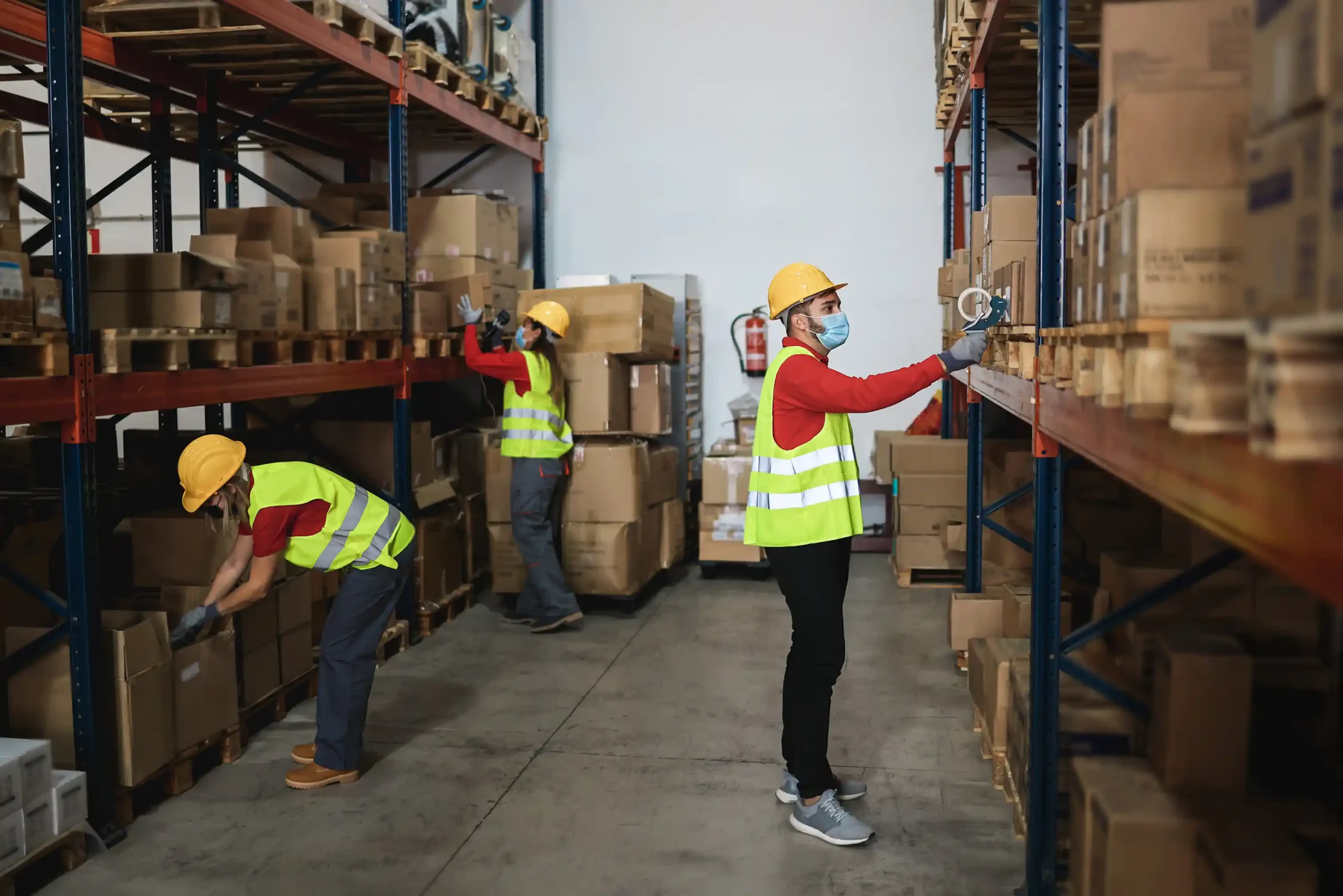
Without the right storage strategy, businesses often find themselves reacting instead of planning, which leads to unnecessary stress and extra costs. I’ve worked with companies who faced recurring stockouts simply because they didn’t have space to maintain adequate inventory levels.
Others stored products in scattered locations, which increased their transportation fees and created confusion in their supply chain. In more severe cases, slow-moving inventory piled up in short-term facilities, triggering higher fees and unplanned expenses.
Whether it’s inflated shipping costs or frustrated customers waiting on delayed orders, the absence of structured long-term storage creates gaps that ripple through the entire operation. Once businesses shift to a long-term model, they almost always feel the difference immediately because stability replaces uncertainty.
Over the years, I’ve helped clients evaluate different types of warehouse facilities, and each option serves its own purpose. Bonded warehouses, for example, allow companies to store imported goods without paying duties until the products leave the facility, which is a major advantage for international shippers.
Private warehouses give large companies full control over their inventory, although they require significant investment and long-term commitments. Public warehouses and 3PL facilities like ours offer flexible solutions for businesses that don’t want to own or operate their own buildings.
Some products may require climate-controlled environments or specialized compliance support, such as FDA-regulated storage or FTZ-certified handling. Long term warehouse storage depends heavily on choosing the right facility that matches your product needs and long-term goals. Read more here.
When businesses come to me asking how long term warehouse storage is priced, I always explain that the final cost is shaped by multiple factors rather than a single flat rate. Location has a major influence, especially near major ports where demand is high and space is limited.
The type of storage matters as well since climate-controlled or specialized compliance environments naturally cost more to operate. Long-term storage also differs from short-term because it often includes additional fees for inventory that sits for extended periods without movement.
Over my years in the industry, I’ve noticed that most companies benefit from reviewing their inventory turns before committing to a long-term agreement because understanding product velocity helps avoid unnecessary costs.
Below is a simplified example of how warehousing costs are often calculated:
Cost Component | Description | Example Amount |
Base Storage Rate | Monthly cost per pallet or square foot | $15 per pallet |
Operating Expenses | Utilities, labor, insurance, facility overhead | $5 per pallet |
Long-Term Surcharge | Fee for inventory exceeding 180–365 days | $2 per pallet |
Total Estimated Monthly Cost | Base + Operating + Surcharge | $22 per pallet |
This structure helps businesses understand what they are paying for and how each part of the rate supports their operational needs.

One of the most rewarding parts of my work is seeing how long-term storage transforms a business’s supply chain from reactive to strategic. When companies store inventory for longer periods, they gain flexibility in production scheduling, shipping timelines, and purchasing negotiations.
This can lead to significant savings over time, especially for businesses that buy in bulk or import products with fluctuating tariffs. Long-term strategies also reduce emergency freight costs because inventory is already positioned where it needs to be before demand spikes.
I’ve seen companies strengthen their customer experience simply by having reliable stock levels, which naturally leads to better reviews and repeat business. Long term warehouse storage acts as a stabilizer, helping businesses maintain consistent performance even when outside conditions are unpredictable.
Over my 35 years in the industry, I’ve learned that risk management is one of the most underrated parts of long-term storage. Businesses often underestimate how much security, compliance, and environmental control matter when goods are stored for extended periods.
A strong long-term storage partner should have strict access control, video surveillance, and inventory verification processes to ensure product integrity. Compliance becomes equally important, especially for products that fall under FDA guidelines, alcohol regulations, or customs rules.
At Tri-Link FTZ, the Foreign Trade Zone environment gives businesses added flexibility by delaying duties and reducing certain costs on imported goods. These protections help companies avoid losses while keeping their supply chains compliant and efficient over long periods.
In today’s supply chain landscape, technology is not a luxury—it’s a necessity for maintaining strong long-term storage programs. Real-time visibility tools, warehouse management systems, and automated reporting all help businesses understand where their inventory sits and how it performs.
I’ve seen countless companies transform their supply chain just by gaining accurate data on their slow-moving and high-value items. Technology also drives better decision-making since advanced systems can predict storage needs or flag aging inventory before it becomes costly.
Best practices like regular inventory cycle counts, SKU rationalization, and ABC classification make long-term strategies more efficient and cost-effective. When these practices align with the right technology, long term warehouse storage becomes a smart foundation for operational growth. Read more here.
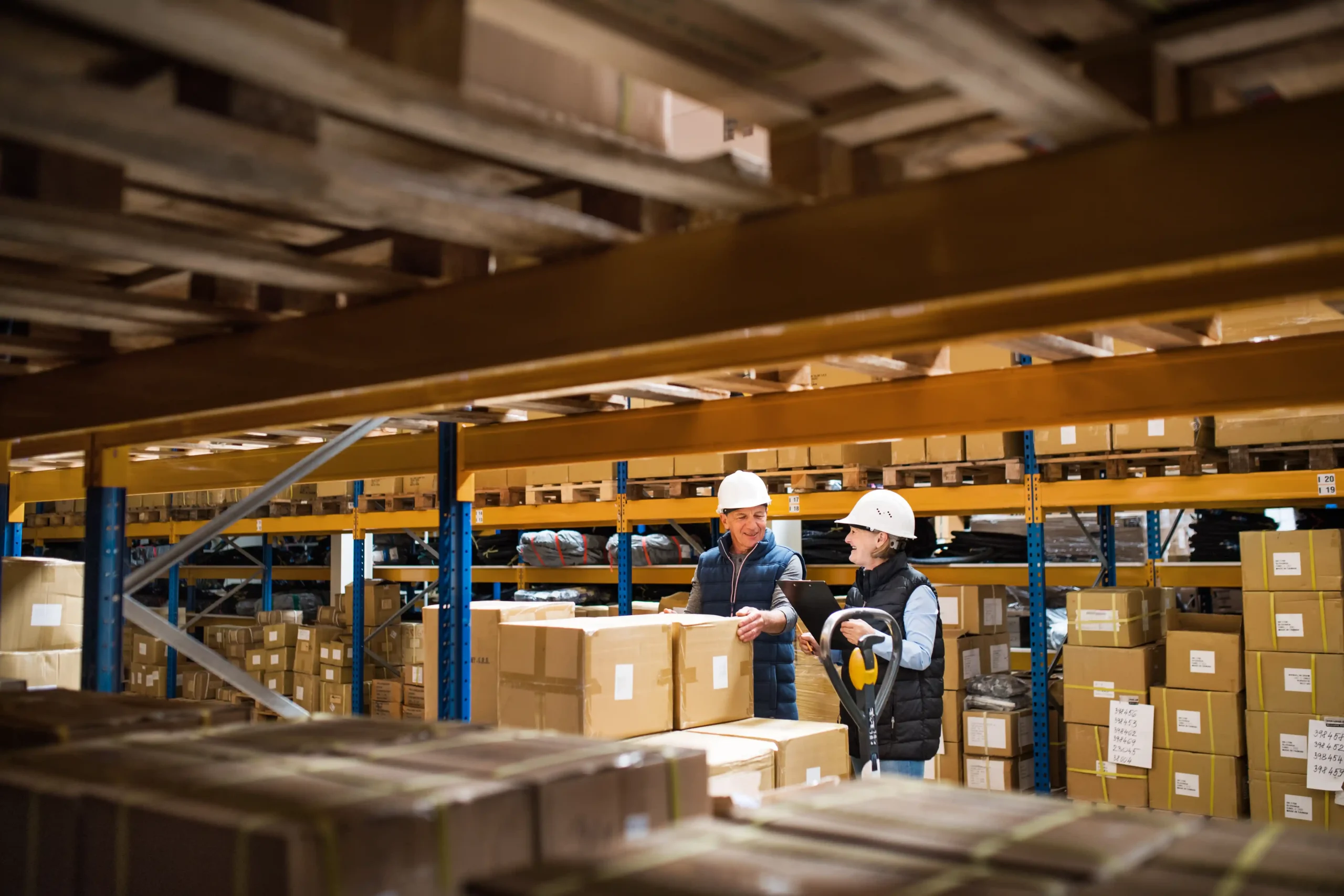
Whenever I assist clients in evaluating warehouse providers, I emphasize that long-term storage is not just about square footage. A provider should offer strong inventory services, detailed reporting, and the flexibility to adapt as your business evolves.
Over the years, we’ve supported clients with labeling, pick and pack operations, compliance management, returns handling, and specialized product processing. These services reduce the need for third-party support since everything happens within the same facility.
It’s also important that a provider maintains transparent communication, offering regular reviews that help optimize inventory levels. When these elements come together, businesses feel confident that their long-term storage partner is working with them—not just storing their goods.
Choosing the right partner is one of the most critical decisions in long-term storage, and I’ve guided many businesses through this process. The first step is identifying your specific needs, from product type to volume to compliance requirements.
A warehouse provider should be able to articulate how their systems, staffing, and security support those needs. Any reputable partner will also offer clear pricing, straightforward long-term storage policies, and room for your business to grow.
It’s wise to ask about technology capabilities, integration options, and reporting tools since visibility is essential for long-term success. After decades of helping companies navigate this landscape, I’ve learned that the best warehouse partners are those that combine expertise with genuine long-term commitment.
After decades of working with businesses of all sizes, I’ve found that determining whether long-term storage is the right solution depends on your inventory patterns, your supply chain complexity, and the level of stability you want to build into your operations. Companies that regularly face stockouts or overspend on emergency shipments often benefit the most once they adopt a structured long-term storage plan.
Others choose this approach because it supports bulk purchasing, smoother manufacturing cycles, and more reliable distribution. Every business eventually reaches a point where short-term fixes are no longer enough, and that’s when long term warehouse storage becomes a strategic asset instead of a temporary tool.
When you take the time to analyze your SKUs, understand your demand cycles, and evaluate the risks of doing nothing, the decision often becomes clear. With the right warehousing partner by your side, long-term storage can shift your business from reacting to the market to confidently leading it.
Looking back on my 35 years in this industry, I’ve seen the difference that the right storage strategy can make for a business. When companies shift from short-term solutions to a clear and well-managed long-term plan, they gain control over their inventory, their costs, and their ability to grow without hesitation.
Long term warehouse storage is more than just racks and pallets; it’s a commitment to stability, visibility, and operational confidence. At Tri-Link FTZ, we’ve built our reputation on helping businesses navigate these decisions with clarity, whether they need compliance support, duty savings, or a reliable partner who understands the challenges of modern supply chains.
As you evaluate your next steps, remember that storage is not simply about holding products—it’s about strengthening the foundation of your entire operation. When your goods are protected, your data is accurate, and your warehouse partner is aligned with your goals, you’re better positioned to scale, adapt, and lead in an unpredictable world.
Share this article