In the simplest terms, commercial wine storage refers to the specialized systems, rooms, and facility conditions required to safely store wine at scale for restaurants, hotels, retailers, importers, and warehouses. Unlike residential storage, which often focuses on personal collections, commercial wine storage must withstand daily demand, regulatory oversight, and the financial risks of damaged or spoiled inventory.
It requires strict control of temperature, humidity, and light exposure, along with durable racking, security, and monitoring technology. In my 35 years running a third-party logistics and FTZ operation, I’ve seen the consequences of improper handling—oxidized wines, damaged labels, and thousands of dollars lost simply because conditions were not properly maintained.
For any business relying on wine for revenue, understanding these requirements is the first step toward protecting both product and profit.
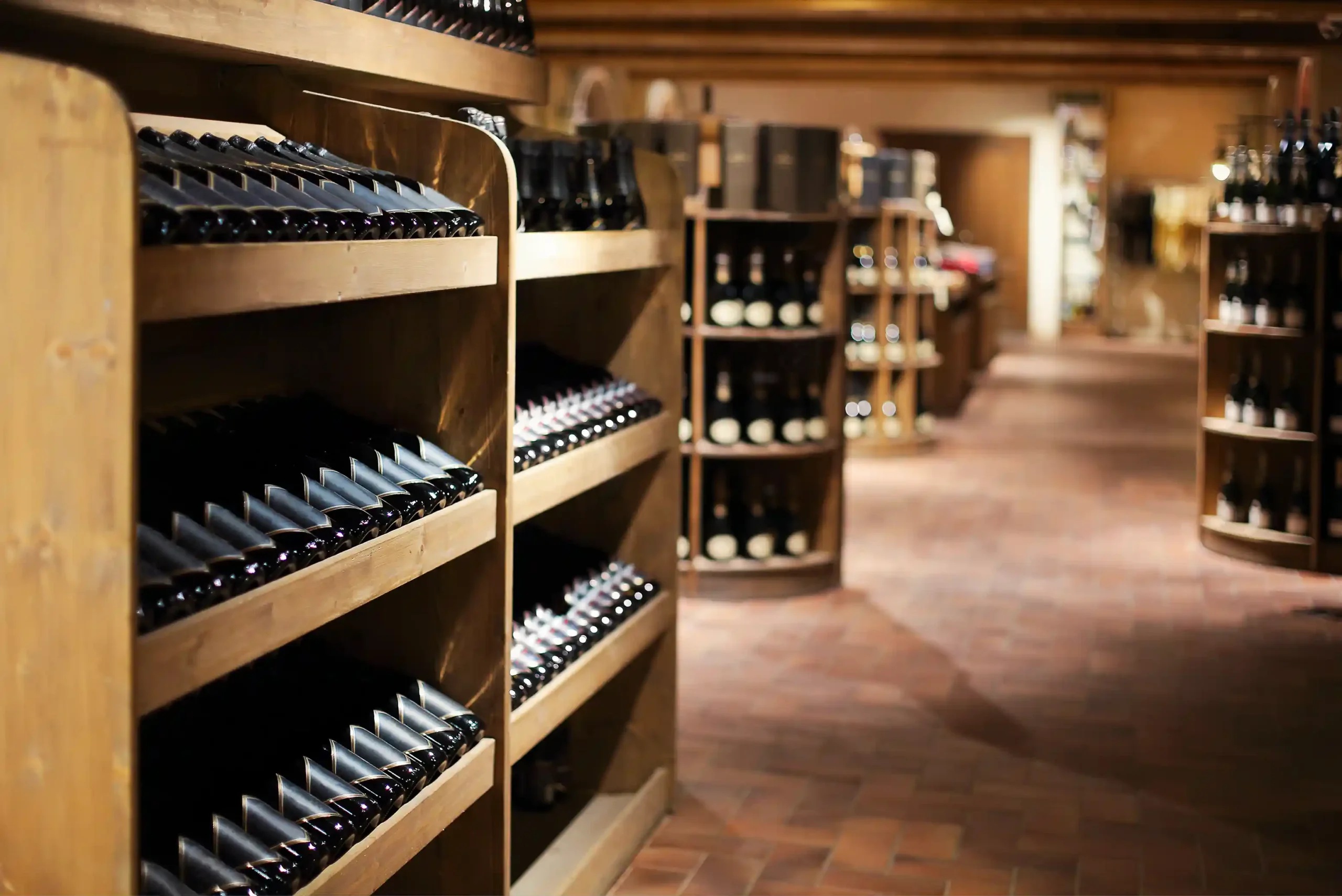
When I walk through a new client’s facility, the first thing I look for is how they treat their wine inventory. Wine is one of the most sensitive products we handle, and even small mistakes—like a two-degree temperature fluctuation—can make a noticeable difference.
Businesses often underestimate how much this matters, but I’ve met countless restaurant owners who only learned the hard way when an entire shipment turned sour. Proper storage protects the aromas, flavor structure, and aging potential of every bottle.
It also reduces spoilage costs and helps maintain consistent customer experiences, especially when serving premium wines. In a commercial setting where turnover is high and margins matter, maintaining the right storage conditions is more than a best practice—it’s an essential part of daily operations.
What seems like a minor detail can quickly turn into a costly issue if overlooked.
The heart of commercial wine storage is environmental control. Wine thrives in a stable temperature range of about 50°F to 59°F, and the key word here is “stable.”
Over the years, I’ve watched clients lose product not because the temperature was wrong, but because it kept fluctuating. Humidity plays an equally important role, since low humidity dries out corks while high humidity encourages mold.
Light exposure, especially UV light, can accelerate chemical reactions and spoil wine faster than people expect. Vibration is another factor that many new operators don’t consider, yet excessive movement disrupts sediment and affects aging.
When we design storage layouts in our warehouses or in client facilities, we always think about airflow, insulation, and equipment placement because poor planning in these areas almost always results in inconsistent conditions. Each of these elements works together, and missing even one can compromise the entire system. Read more here.
Over the years, I’ve worked with countless climate-control systems, and what I’ve learned is that choosing the right one can make or break a commercial wine storage operation. Unlike traditional HVAC units, wine cooling systems are designed to maintain very tight tolerances in both temperature and humidity.
Self-contained systems are often the easiest to install in smaller spaces, while split systems offer quieter performance and better isolation for larger environments. Ducted systems are preferred when a business wants near-silent operation and a clean visual display area.
In my 35 years of managing sensitive goods inside our Foreign Trade Zone warehouses, I’ve seen the importance of pairing systems correctly with room size, insulation, and usage. Even the best cooling system will fail if the space around it isn’t properly constructed.
Consistent calibration, monitoring, and preventative maintenance are crucial, because wine has no tolerance for equipment failure.
Whenever we help a client redesign or expand their commercial wine storage, I always emphasize that the physical layout is just as important as the environmental controls. Racking must support stability, visibility, and proper airflow, which is why many commercial operators lean toward metal or aluminum racks for durability.
Wooden racks, on the other hand, offer a classic look but require more care in humid environments. Acrylic racks are becoming popular for modern displays, especially where aesthetics matter as much as function.
The layout should support efficient movement, especially during busy service hours or inventory counts. Over the years, I’ve seen layouts that looked beautiful but created bottlenecks, which slows staff down and increases the risk of breakage.
When designing these spaces, we also account for how wine is organized—by region, vintage, or inventory turnover—because proper organization saves time and reduces handling errors. All these elements work together to create a storage system that supports both product quality and daily workflow.
In commercial environments, storing wine correctly is only half the battle. The other half is how teams handle wine on a daily basis. In my experience, the businesses that excel at wine management are the ones that establish clear workflows for receiving, inspecting, logging, rotating, and distributing inventory.
When wine arrives, staff should check temperatures, inspect corks, and document any damage before bottles enter storage. Once inside, inventory should be organized logically and consistently, making it easy for staff to find what they need quickly.
Regular checks of conditions—including temperature, humidity, and physical integrity of racks—help catch problems early. Security also matters because high-value bottles require controlled access, camera coverage, and clear chain-of-custody documentation.
Over the years in our 3PL and FTZ operations, we’ve created systems for tracking every movement of a bottle, and that same level of discipline benefits restaurants and retailers as well. A solid workflow ensures that every bottle is treated with care from arrival to service. Read more here.
Many business owners don’t realize how complex commercial wine storage can be until they start calculating the costs. The initial investment might include construction, insulation, flooring, cooling systems, racks, humidity controls, security, and monitoring technology.
On top of that, there are operational costs such as energy usage, maintenance, and staff hours. When clients ask me whether they should build storage on-site or outsource to a 3PL or FTZ facility like ours, I always ask them to consider their long-term plans.
If they expect growth, outsourcing may offer more flexibility and lower upfront costs. If they rely heavily on branding and guest experience, on-site storage might make more sense.
But the biggest mistake I’ve seen is underestimating the level of control wine demands. Cutting corners almost always costs more later, either through spoilage, repairs, or lost revenue from damaged product.
Making a smart financial plan upfront protects both inventory and business stability.

In my decades of running a 3PL and Foreign Trade Zone operation, I’ve helped businesses navigate the decision between keeping wine on-site or storing it externally. On-site storage offers maximum accessibility, making it ideal for restaurants, hotels, and retailers that need immediate access to bottles throughout the day.
It also gives operators full control over aesthetics, whether they’re designing a walk-in cellar, installing modern wine cabinets, or creating a dramatic glass display wall. However, on-site setups can require significant investment, especially when businesses need advanced cooling or large-capacity layouts.
Off-site storage, on the other hand, allows companies to scale without expanding their own physical footprint, and it can reduce costs associated with construction and maintenance. In our FTZ environment, we store high-value wines for importers and global distributors who need precise temperature logs, extended aging, and customs protection.
Both options have advantages, but the best choice depends on operational needs, budget, and long-term growth.
When it comes to commercial wine storage, compliance is not optional. Over the years, I’ve seen that businesses handling alcohol must meet a range of local, state, and federal regulations, including documentation requirements and facility standards.
Within our FTZ, we maintain strict logs for temperature, access, and handling because wine—especially imported wine—often falls under specific customs guidelines. Even businesses outside an FTZ must keep accurate records in case of inspections, insurance claims, or quality disputes.
Proper labeling, location tracking, and secure access are essential for avoiding theft or spoilage claims. Insurance providers also expect operators to have strong controls in place, and the better your storage practices, the better your coverage terms usually are.
Risk management begins with staff training, proper SOPs, and consistent monitoring, and it continues with periodic reviews to catch potential issues before they become real problems. When everything is documented and well-maintained, businesses gain peace of mind knowing their inventory is fully protected.
Technology has changed the way we manage commercial wine storage, and the difference is night and day compared to thirty years ago. Smart sensors now track temperature, humidity, and door openings with pinpoint accuracy, sending alerts the moment something drifts out of range.
Many of our clients use integrated dashboards that allow them to check conditions from their phone, even when they’re traveling. Inventory systems can map bottle locations, forecast demand, and track vintage cycles, making it easier to run a profitable wine program.
Automation also reduces human error, which has historically been one of the biggest risks in commercial wine storage. When conditions are recorded automatically and alerts are instant, operators can respond before a problem becomes irreversible.
The businesses that adopt these systems often experience fewer losses, smoother operations, and better long-term performance. Technology doesn’t replace expertise, but it strengthens the foundation of proper wine management.
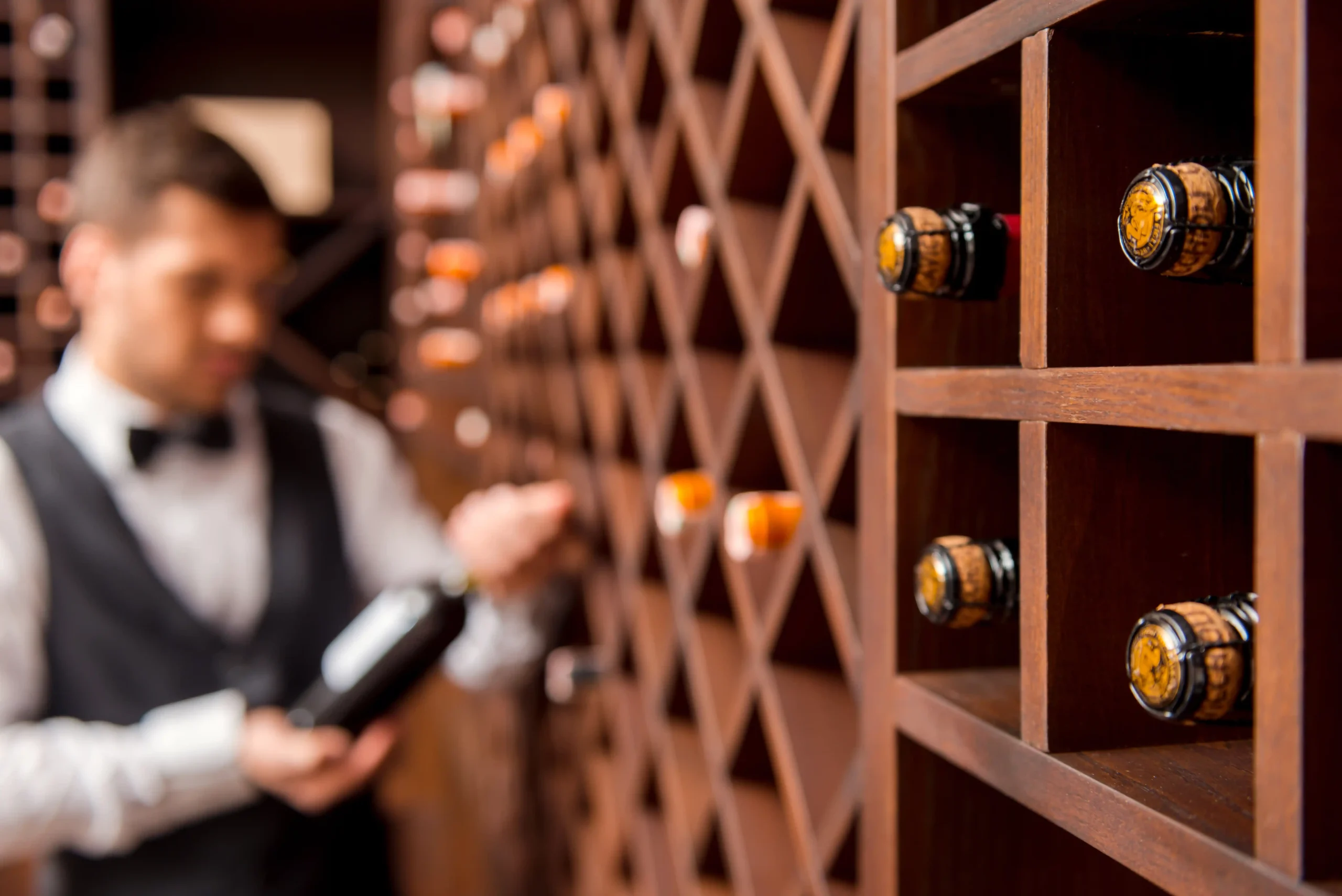
Looking back at the thousands of clients we’ve supported across restaurants, hotels, import operations, and global distribution centers, I see patterns in the businesses that succeed with wine. They treat commercial wine storage as a core part of their operation—not an afterthought.
They invest in stable temperature and humidity, protect wine from light and vibration, and design spaces that support efficient handling. They also train their teams to respect the product and follow consistent procedures every day.
Most importantly, they choose scalable systems that grow with their needs instead of forcing wine into spaces that no longer fit the business. Over the years, I’ve seen companies transform their wine programs simply by upgrading storage, reducing waste, and improving organization.
When you treat wine storage with the same seriousness you treat service, you create a stable, profitable foundation for everything else in your business.
After 35 years in the world of logistics and Foreign Trade Zones, I can confidently say that commercial wine storage is one of the most misunderstood yet crucial parts of running a successful wine program. Wine is fragile, expensive, and deeply tied to customer experience, so it deserves a storage system that protects its quality every step of the way.
Whether businesses choose on-site or off-site solutions, the key is understanding the environmental conditions, operational workflows, and technological tools that keep wine safe.
With the right systems in place, companies can reduce spoilage, enhance service, and build a world-class wine program that grows year after year. Proper storage is not just a technical requirement—it’s an investment in quality, revenue, and long-term success.
Share this article