When I talk about bins for warehouse storage, I’m referring to the structured containers we use to organize small and medium-sized items throughout a warehouse. These bins act as individual storage locations, making it easier for teams to find products quickly and reduce errors.
Over the years running Tri-Link FTZ, I’ve learned that bins are more than plastic boxes; they are small tools that influence the entire flow of the building. Good bins make a warehouse feel organized and predictable, while poor bin choices create bottlenecks and wasted space.
When a warehouse scales, the importance of these bins grows, because the more SKUs you manage, the more every inch of space matters. I’ve seen growing brands unlock huge gains simply by rethinking how their bins are sized, labeled, and placed.
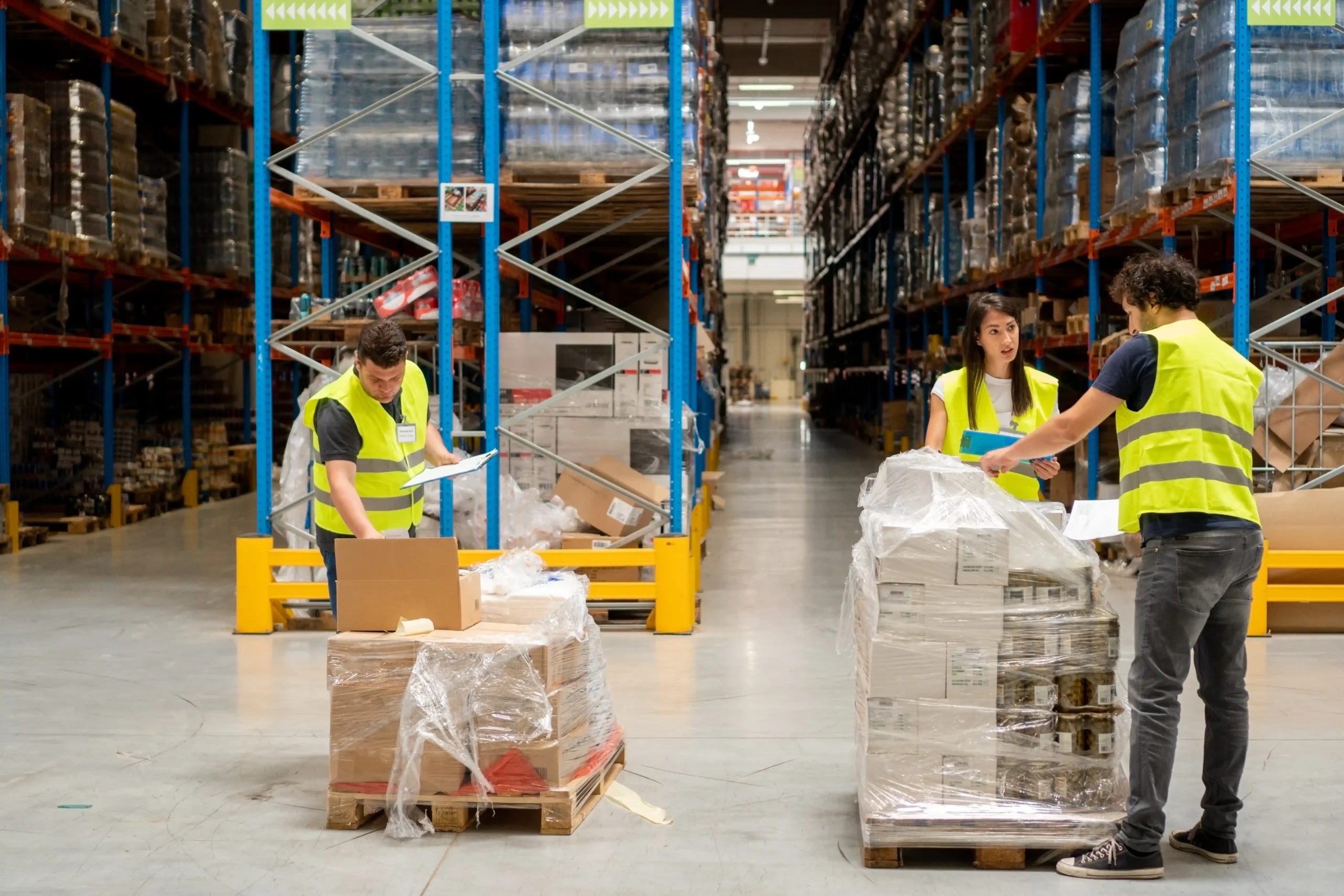
One of the biggest problems I see is that many warehouses buy bins without considering how they affect workflow or space usage. A bin that seems fine on day one can become a major barrier once SKU counts rise or pick volumes increase.
Another challenge is that bins often don’t match the shelving, which leads to wasted vertical space or overcrowded lanes that slow workers down. I’ve walked through facilities where bins were too deep, causing pickers to dig around for items instead of grabbing them instantly.
Poor labeling or inconsistent bin sizes only increases confusion, especially during onboarding or peak season. These challenges become more obvious as a business grows, which is why choosing the right system early is essential.
In my experience, the companies that benefit the most from well-planned bin setups are those with fast-moving, high-SKU operations. Ecommerce brands rely heavily on bins for warehouse storage because they need quick access and accuracy for thousands of small products.
Our clients in manufacturing and MRO depend on bins to keep components, tools, and replacement parts organized so downtime stays low. Healthcare, pharmaceuticals, and electronics companies need bin systems that protect delicate or sensitive items while maintaining strict traceability.
Even retail backrooms and 3PLs like ours depend on bins to support seasonal changes, client-specific layouts, and the constant need for speed. No matter the industry, the goal is always the same: better control of inventory in less space.
Through three decades of designing storage systems for clients, I’ve learned that choosing the right bin type is about more than preference or price. Stackable bins work well in small areas where teams need flexibility, and they help maximize floor space in fast-moving fulfillment zones.
Shelf bins, which sit inside static shelving, are perfect for high-SKU operations because they keep items separated and easy to reach. Bulk bins handle heavier items like tools or machine parts, and collapsible bins are great when a warehouse needs seasonal flexibility or returnable packaging solutions.
Newer dynamic systems, like textile-based high-density cells, allow hundreds of SKUs to fit inside pallet racking, which is a huge advantage for growing brands. The key is matching your bin type with your workflow, not the other way around.

One of the most important decisions is choosing the right material for bins, because the wrong one leads to damage, safety issues, or ruined inventory. Plastic bins remain the most common because they’re lightweight, moisture-resistant, and able to withstand daily use in busy fulfillment centers.
Metal bins are ideal when dealing with heavy or hot items, especially in manufacturing or industrial environments, where strength and heat tolerance matter. Wire bins offer visibility and airflow, which works well for automotive clients who need to see inventory at a glance.
Corrugated plastic bins are cost-effective for lighter SKUs and temporary setups, especially when a company is still testing its layout. Each material has a different lifespan, and I always encourage clients to think about long-term replacement costs instead of choosing the cheapest option upfront.
Material Type | Best Use Case | Strengths |
Plastic | Ecommerce, 3PL, general SKUs | Durable, moisture-resistant |
Metal | Industrial parts, heavy loads | High strength, long lifespan |
Wire Mesh | Automotive, visibility-needed zones | Airflow, easy identification |
Corrugated Plastic | Light items, seasonal ops | Low cost, customizable |
This table helps warehouses quickly compare options and avoid costly mistakes when selecting bins for warehouse storage.
Space is one of the most valuable assets inside any warehouse, and bins play a bigger role in space efficiency than most people expect. When bins are sized correctly, they reduce empty air space on shelves and increase usable cubic volume across the building.
I’ve seen warehouses double their SKU capacity by simply resizing their bins or matching bin heights to beam spacing in pallet racking. Proper bin layout also affects travel time because workers move faster when items are placed at reachable heights and grouped by demand.
Fast-moving products should always sit in bins near the front or at waist level, while slow movers go higher or deeper into the racking. By designing your bin structure around both inventory volume and worker motion, you can reduce fatigue, speed up picking, and improve accuracy across every shift. Read more here.
One of the biggest benefits of a good bin system is how much easier it makes the entire picking process. Clear labels on the front of the bins help new employees find locations faster and reduce training time during peak seasons.
Color-coding bins by category or client is another simple method that improves visual recognition and reduces errors. Consistent bin sizes also make replenishment more predictable because workers don’t have to guess where something should go.
FIFO and LIFO systems work best when bins are positioned correctly, and this is something we’ve implemented at Tri-Link FTZ for many of our long-term clients. Better organization always translates to fewer mispicks, fewer cycle count issues, and a smoother overall workflow.
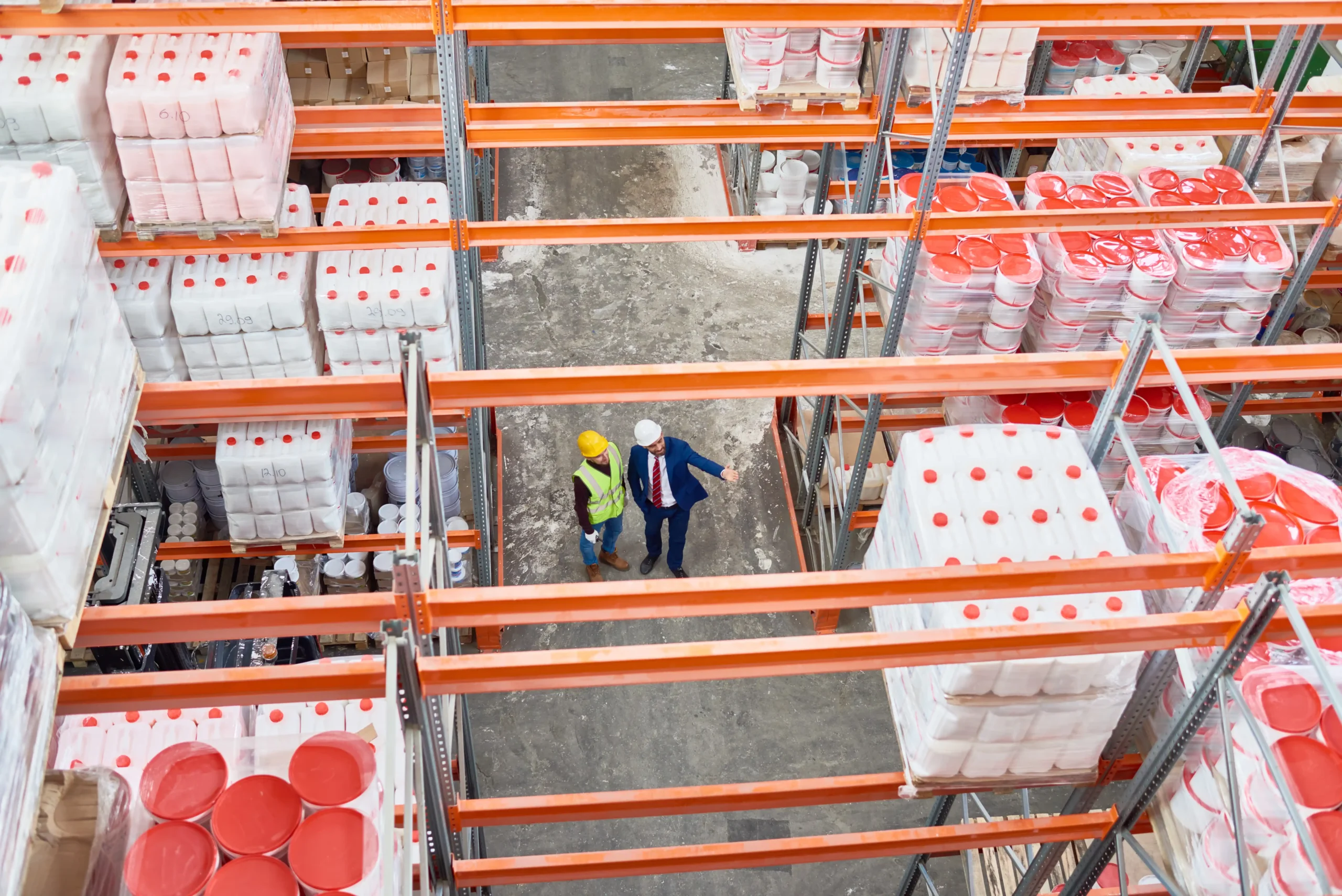
Many warehouse managers worry about cost when evaluating bins for warehouse storage, but the true value comes from the time and labor they save. Choosing the wrong bin can lead to product damage, overcrowded shelves, and wasted footsteps that add up over thousands of picks per day.
When clients ask me whether upgrading their bins is worth it, I always point to the long-term ROI we’ve seen over 35 years of 3PL operations: faster picking, better accuracy, and lower replacement costs. Bins should be viewed as assets that support future automation, expansion, and business growth, not short-term expenses.
Once the right system is in place, teams work with more confidence, and the warehouse runs smoother from receiving to outbound. This is why strategically choosing bins delivers real operational gains.
As automation becomes more common, choosing bins that work with WMS systems, conveyors, and scanners is becoming critical. Bins with smooth bottoms and consistent footprints run better on conveyor lines and reduce jams that slow down the entire workflow.
Label placement also affects how scanners read barcodes, so bins need clear surfaces that remain visible even during busy shifts. In our facility, we’ve seen how standardized bins help our WMS maintain more accurate inventory maps and faster cycle counts.
When a warehouse is ready for AS/RS or robotics, a well-structured bin system becomes even more important because automated equipment relies on consistency. By making thoughtful bin choices now, companies position themselves for easier scaling in the future.
When I help a warehouse transition into a new bin system, the first thing I focus on is understanding the current workflow before making any changes. A simple walkthrough often reveals problems like oversized bins, inconsistent labeling, or wasted vertical space that can be fixed right away.
Once I understand the layout and pick paths, I group SKUs by size, velocity, and handling needs to decide which bin types belong in each zone. I always recommend starting with a small pilot area, which allows teams to adjust before implementing changes facility-wide.
Training is another important step, because even the best bin system fails if the team doesn’t know how to use it correctly. Over time, we schedule cleaning, inspections, and re-slotting to keep the system performing at its best.
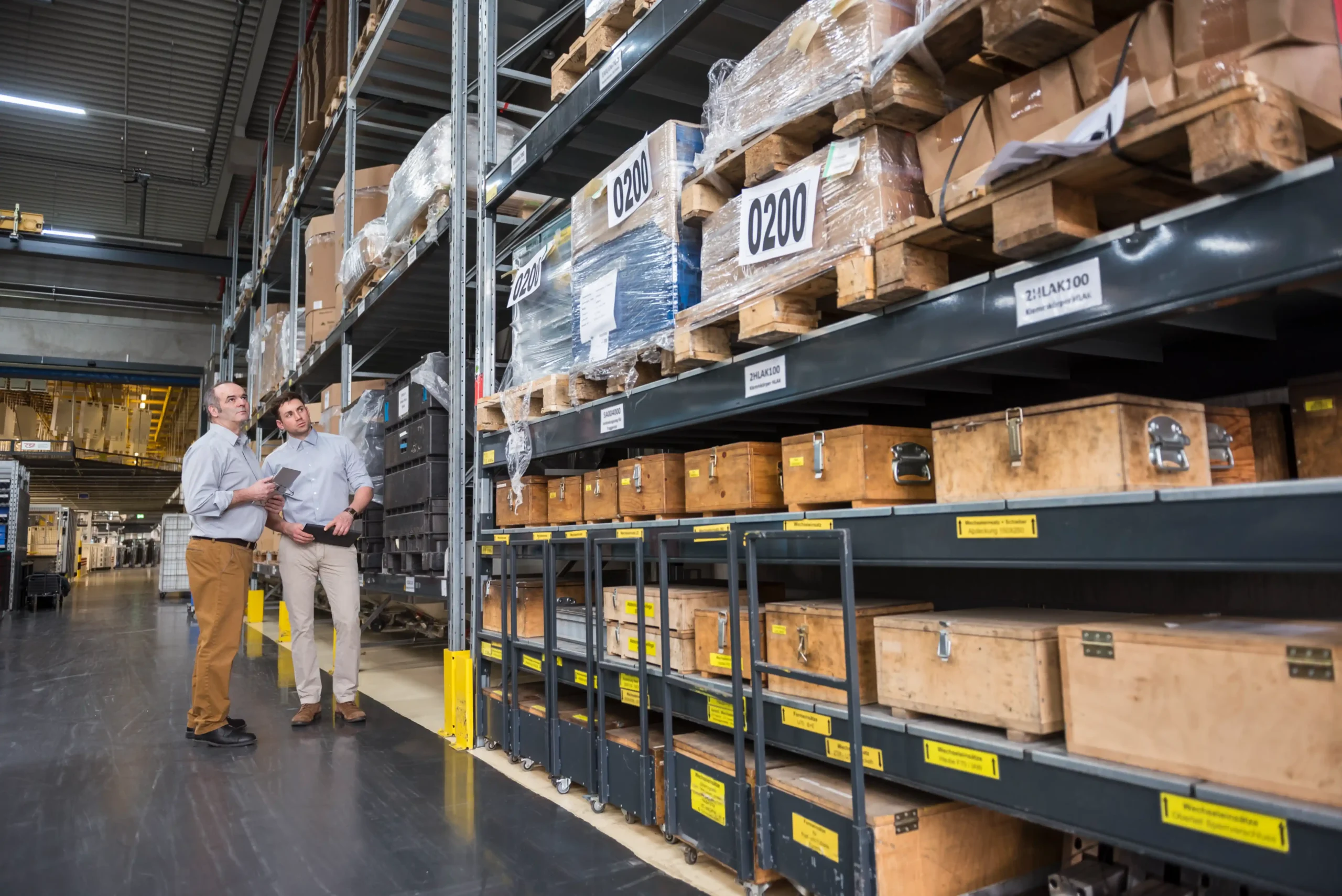
Whenever clients come to us for help, I encourage them to evaluate their needs with a few important questions. I ask them about the weight and fragility of their products so we can choose bins that won’t crack or damage items.
We talk about future expansion because a bin that works today may limit flexibility tomorrow, especially as SKU counts grow. I also ask whether their bins need to support automation, conveyors, or scanning systems, since not every design is compatible.
Environmental factors matter too, such as humidity or temperature, which may require specialized materials. By asking the right questions upfront, companies make smarter decisions and avoid the frustration of purchasing bins that don’t support long-term growth.
There are times when a warehouse can handle its own bin setup, but many growing brands benefit from partnering with experts who’ve seen thousands of layouts. At Tri-Link FTZ, our 35 years of experience give us a unique perspective on how bins influence daily operations and long-term scalability.
We know how to balance storage density, ergonomics, and picking speed because we’ve lived through every phase of warehouse growth. Our team often helps clients avoid costly mistakes by designing bin structures that support real workflows instead of generic templates.
When automation or rapid expansion is on the horizon, having a knowledgeable partner becomes even more valuable. For companies unsure where to start, a consultation can reveal opportunities to improve efficiency with simple, affordable bin changes. Read more here.
After decades in this industry, I’ve learned that the smallest tools often have the biggest impact on a warehouse’s performance. Choosing the right bins for warehouse storage may seem like a simple decision, but it shapes accuracy, travel time, organization, and how well a business scales.
An optimized bin setup helps teams move confidently through their day, reduces stress during peak season, and supports future technology upgrades. As your SKU count grows, a well-planned bin system ensures that your warehouse grows with it, instead of working against you.
If you’re ready to take your storage strategy to the next level, my team and I at Tri-Link FTZ are here to help you build a system that supports both today’s needs and tomorrow’s challenges.
Share this article