At its core, trade compliance management is the process of making sure your business follows all the rules, laws, and international agreements that apply when you move goods across borders. This includes screening against restricted parties, making sure you’re using the right tariff codes, preparing accurate documentation, and staying on top of export control laws.
It’s about protecting your company while keeping your shipments moving on time. In a world where one wrong code or unchecked box can cost you thousands—or even millions—being compliant isn’t a bonus.
It’s essential.
Back when I started Tri-Link FTZ over three decades ago, the rules were already complicated—but today’s regulatory environment moves faster than ever. If your business relies on international shipments, ignoring trade compliance can result in major issues.
We’ve seen businesses held up at customs for weeks because of minor documentation errors. Worse, we’ve helped clients clean up after being fined for trading with restricted parties without knowing it.
These kinds of mistakes don’t just slow you down—they damage trust with your partners and customers. That’s why our team built compliance systems into every layer of our 3PL and FTZ operations.
Let me walk you through just a few real-world issues that can arise. I’ve watched companies misclassify goods and end up overpaying duties for years without realizing it.
Others skip license requirements and get hit with federal fines that completely wreck quarterly profits. If your goods are flagged during inspection, they might be held—or worse, destroyed—while you sort things out.
And the most invisible threat is your reputation: once a government agency or logistics partner tags your business as unreliable, that stigma sticks around.
At Tri-Link FTZ, we treat compliance as a core part of every shipment—not an afterthought. We begin by identifying all the relevant regulations for each client’s goods and routes.
Our team checks denied party lists automatically through our software integrations and assigns export control numbers where needed. We help you build documentation templates that meet U.S. CBP standards and international norms.
For more complex products, we involve licensed brokers to make sure everything is classified correctly. And because laws change, our compliance team monitors regulatory updates weekly.
This system protects our clients while making sure their cargo flows smoothly through FTZ entry and release.

One of the biggest mistakes I see is businesses relying on outdated compliance manuals. The truth is, trade laws shift constantly.
That’s why we invest in subscriptions to real-time regulatory databases and engage with legal experts who specialize in customs law and international trade. We also encourage our clients to keep an open dialogue with their destination partners—because compliance isn’t just about U.S. law; it’s about the entire journey.
Whether it’s a change in EU carbon regulations or a new embargo in Asia, we help clients adapt before their shipments are impacted. Read more here.
In today’s fast-moving world, you can’t rely on manual spreadsheets and emails to manage compliance. That’s why we use a suite of integrated tools to monitor and control compliance touch points throughout the supply chain.
Our software can automatically flag shipments that require extra documentation, screen every transaction for restricted parties, and even predict duty costs using AI-driven customs classification. We also have dashboards that visualize compliance performance—useful for our clients during audits or board reviews.
When paired with our FTZ infrastructure, this tech means we’re not only faster, we’re safer.
Here’s a quick look at the tools we rely on every day at Tri-Link FTZ:
Tool/Feature | Purpose |
Sanctions Screening Software | Checks all parties against global denied lists |
HS Code Classification Engine | Identifies proper tariff codes based on product data |
Document Automation System | Auto-generates forms for customs and exports |
License Management Platform | Tracks permits and expiry dates |
Compliance Analytics Dashboard | Monitors risk areas and flags red zones |
No matter how smart your tech is, trade compliance management also depends on your people. I’ve seen businesses with great systems still fail compliance checks—because someone didn’t follow protocol or misunderstood a regulation.
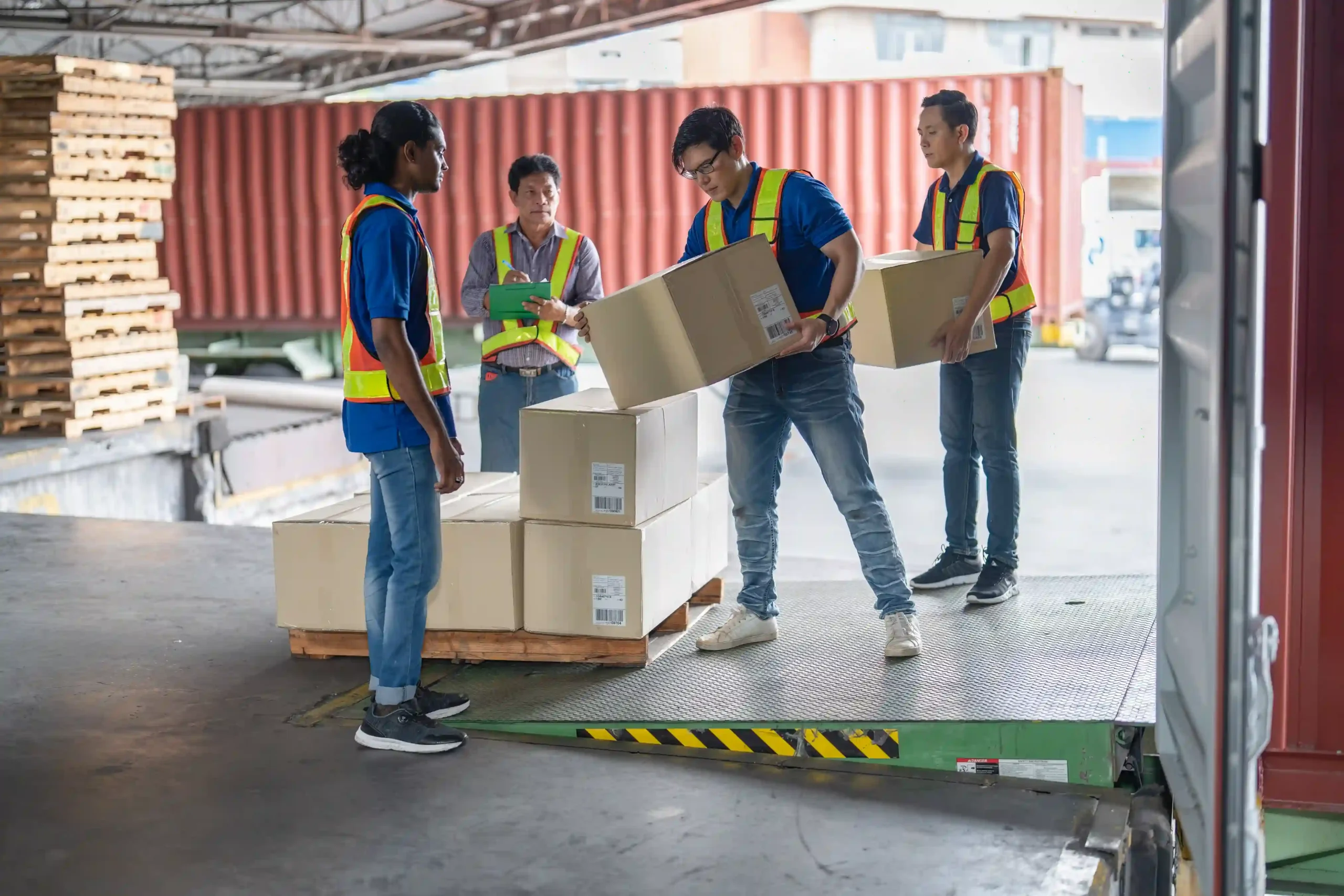
That’s why we train every team member who touches international shipments. From warehouse staff to account managers, everyone understands documentation standards, export codes, and escalation procedures.
For our clients, we offer workshops, video training, and even one-on-one strategy sessions. You can’t afford for only one person to “know compliance”—your entire team should be fluent.
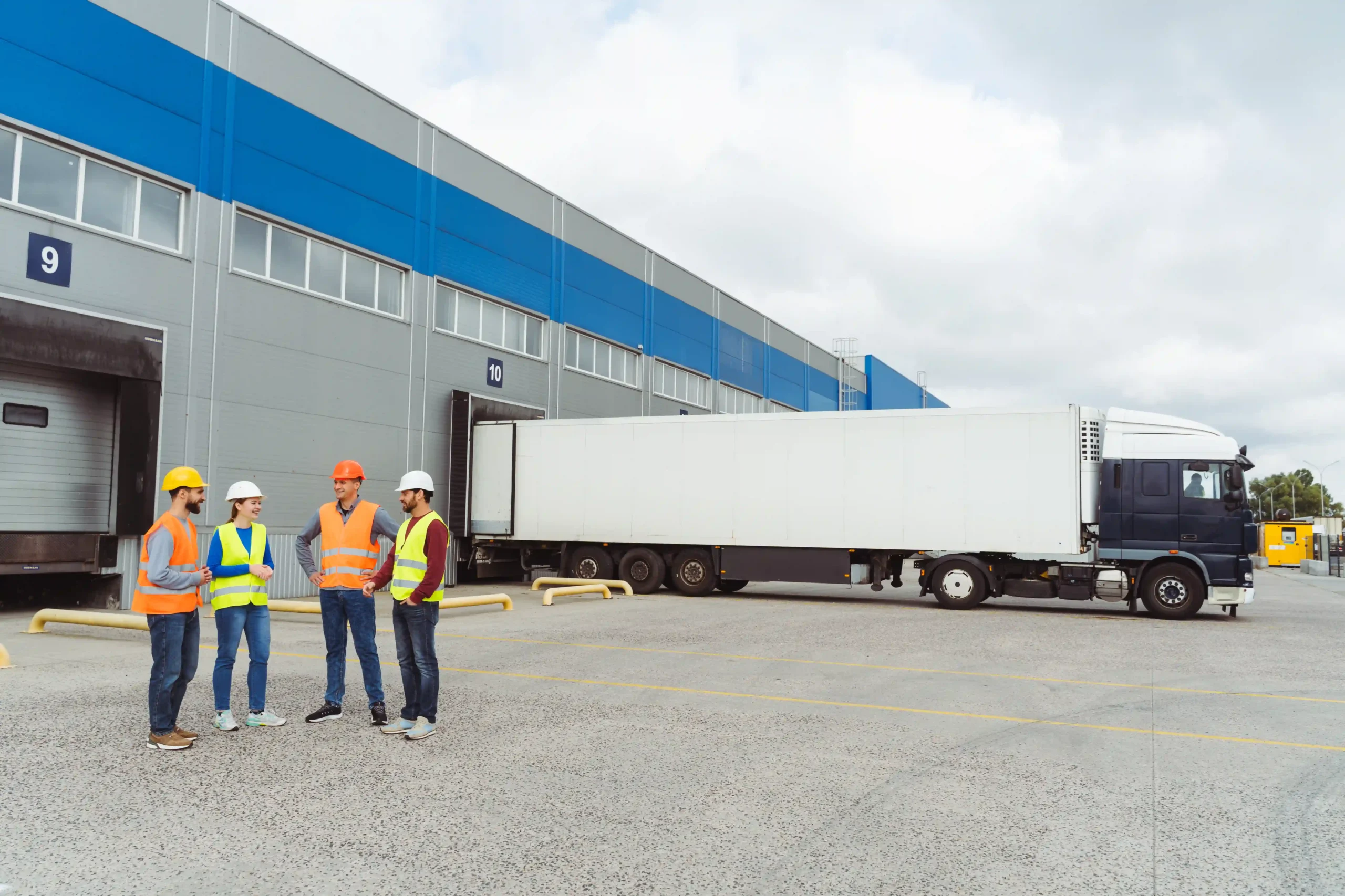
Sometimes it makes sense to handle compliance in-house. But if your business is expanding internationally, adding new SKUs, or entering a foreign trade zone for the first time, having an expert by your side is critical.
Over the years, we’ve helped small startups and large multinationals assess their compliance posture, audit their supply chains, and prepare for CBP inspections. A good compliance manager or consultant doesn’t just spot problems—they show you how to build a system that protects your business at scale.
It’s like having insurance, except smarter: it helps you avoid the accident altogether.
In our 35+ years of running Tri-Link FTZ, we’ve seen firsthand how compliance challenges vary by industry. Life sciences companies have to navigate FDA regulations and product serialization rules, while aerospace firms must comply with strict export controls like ITAR.
Meanwhile, retailers often struggle with product labeling requirements and frequent SKU changes. Even food and ag clients have to meet sanitary and phytosanitary standards.
Every industry has unique friction points—and we’ve built custom protocols to match them. That’s the benefit of a compliance-first 3PL partner: we don’t just ship your goods, we protect your entire operation.
Operating within an FTZ (like we do) gives businesses a powerful edge in trade compliance management. FTZs allow you to defer duties, reduce tariffs on re-exported goods, and even avoid tariffs altogether in certain conditions.
But beyond savings, FTZs are tightly regulated and monitored by CBP—which means compliance is built into every process. Goods in our FTZ are accounted for at every step, from arrival to departure.
We integrate recordkeeping, inventory control, and reporting directly into our logistics platform, so our clients meet compliance requirements without extra effort. It’s security, speed, and savings—all in one place. Read more here.
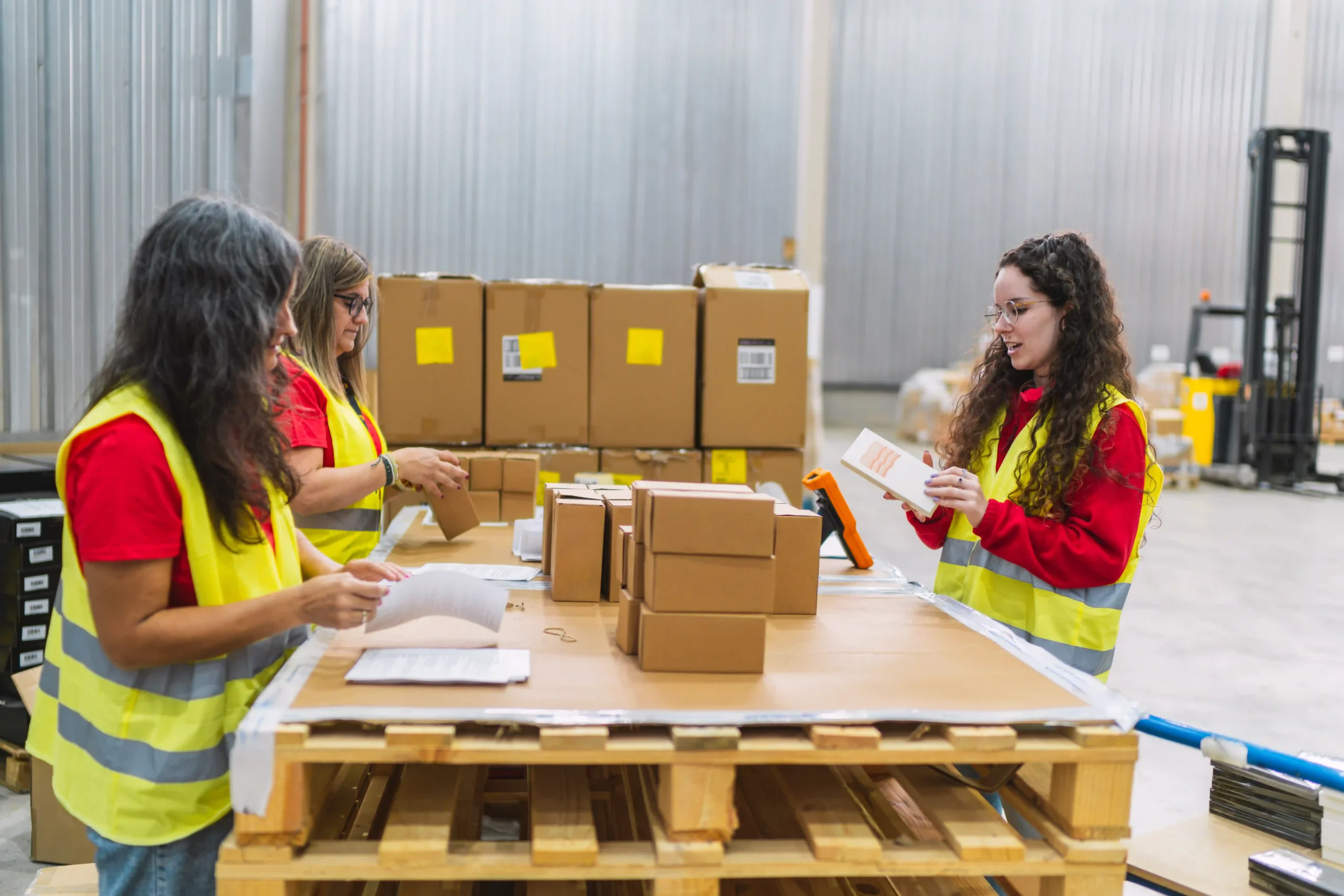
A lot of smaller companies ask us, “Do we really need a compliance program?” And our answer is always: absolutely, yes.
You don’t need a full-time legal team, but you do need smart systems and reliable partners. We’ve built trade compliance management packages specifically for growing businesses that include automation tools, fractional consulting, and FTZ access.
These setups help smaller companies expand globally while avoiding major risks. And because we scale with you, there’s no need to reinvent your compliance program every time you grow.
We believe every business deserves to ship globally—without fear.
Trade compliance management isn’t just about checking boxes—it’s about protecting your business, building trust with global partners, and opening the door to new markets. Over the decades, we’ve seen how one compliance mistake can derail an entire supply chain—and how the right system can accelerate international growth.
At Tri-Link FTZ, we take pride in being more than just a logistics provider. We’re compliance guardians, strategists, and partners to businesses that think globally.
Whether you’re just starting out or managing thousands of shipments a month, our systems and expertise are built to scale with you. If you’re ready to take trade compliance seriously and want to avoid the stress of penalties, delays, or audits, we’re here to help.
Our team is ready to assess your risk profile, strengthen your documentation flow, and simplify your entire international trade process.
Ready to make trade compliance your competitive advantage? Let’s build something global, together.
Share this article