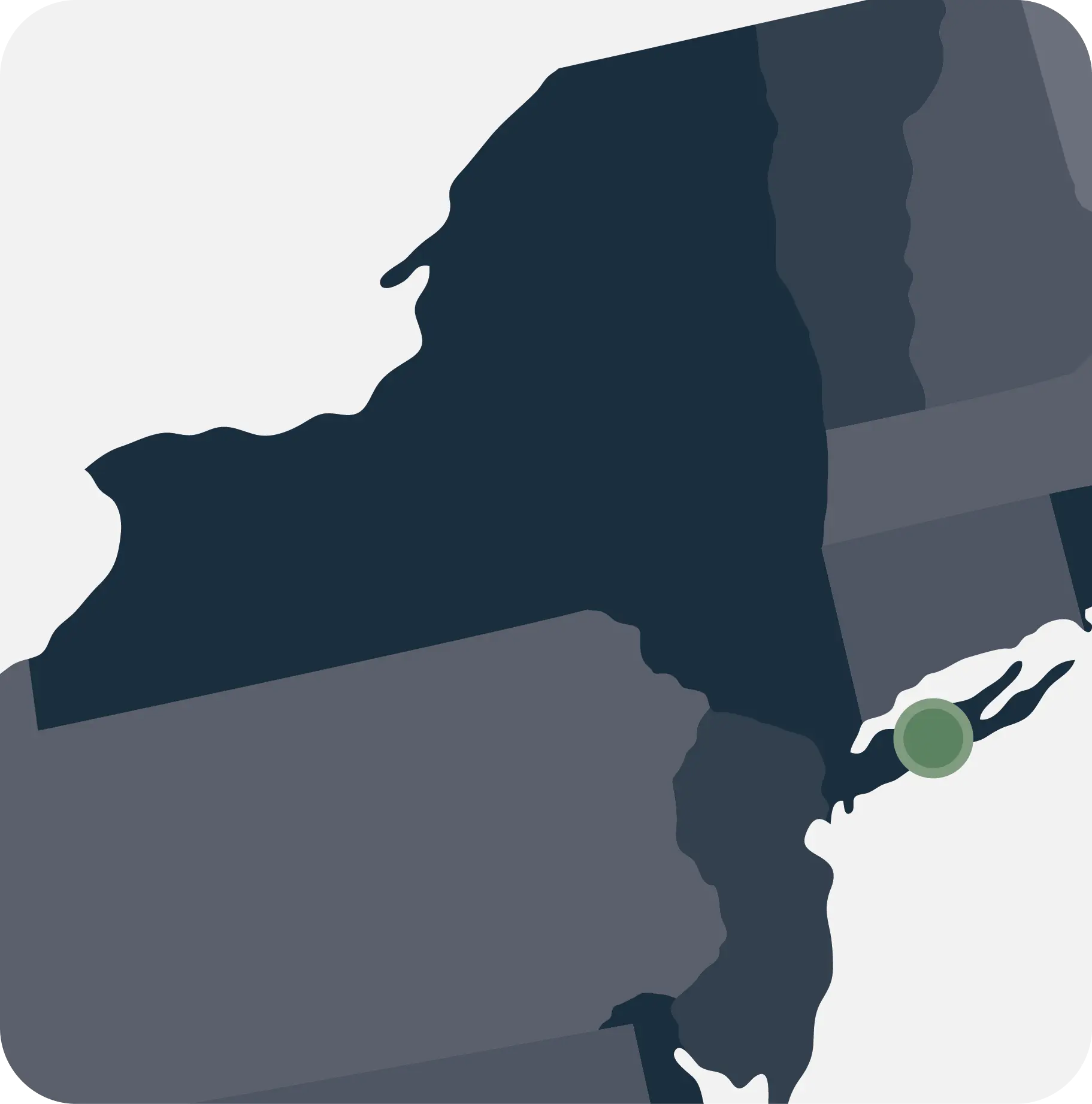
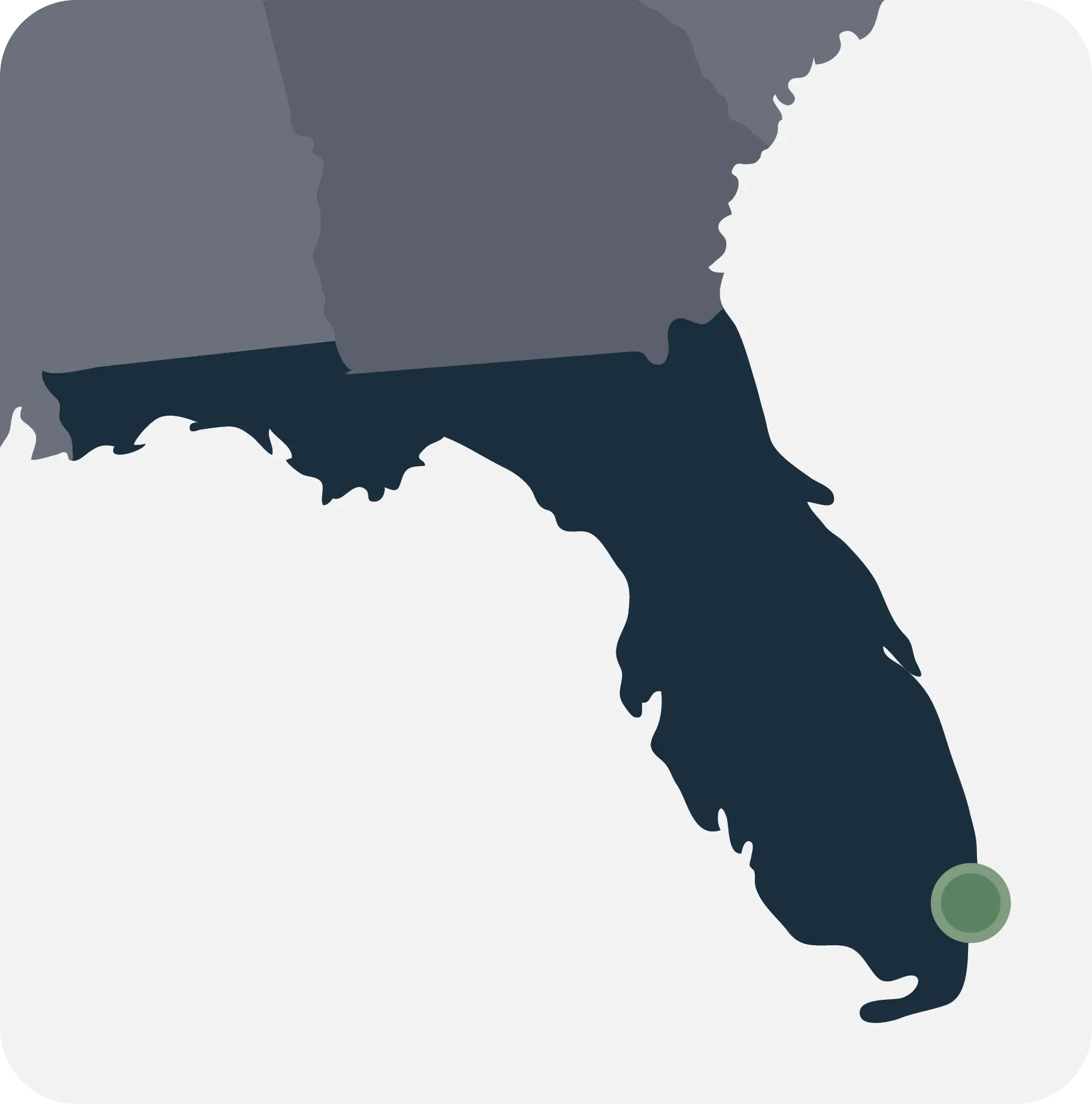
A “U.S. warehouse after de minimis” refers to a domestic storage solution that companies use to store products within the United States once the de minimis exemption for small shipments is reduced or eliminated. The goal is to avoid unexpected customs duties, streamline deliveries to customers, and remain compliant with U.S. Customs and Border Protection (CBP) regulations.
Essentially, businesses can pre-position their inventory in a U.S. warehouse so that products are considered domestic shipments, which simplifies logistics and reduces international shipping costs and delays.
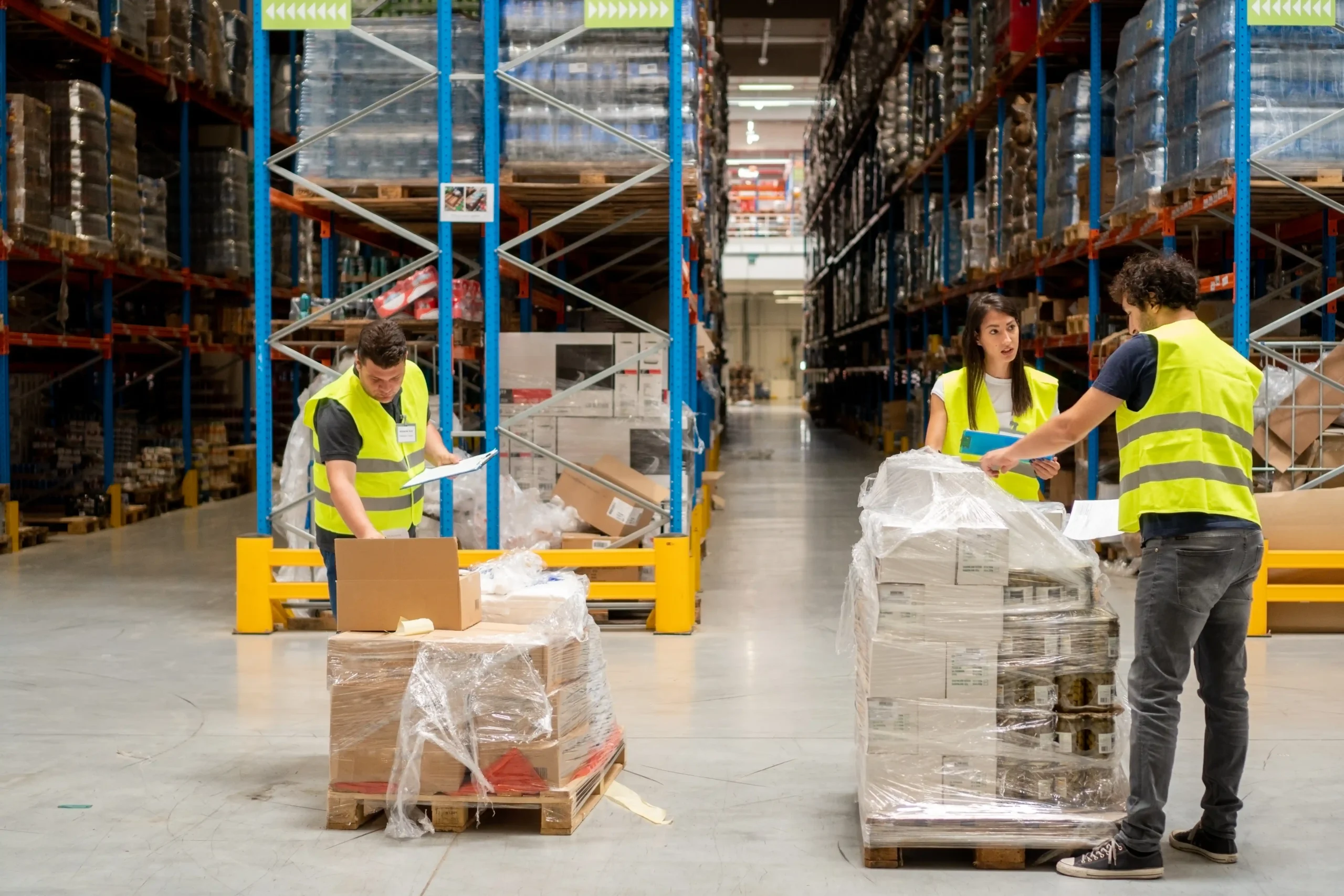
When I first heard about the removal of the de minimis exemption, I knew it was going to shake up global e-commerce. For over 35 years, Tri-Link FTZ has helped businesses navigate complex trade regulations, and I have seen firsthand how this type of policy shift impacts small and large companies alike.
The de minimis rule allowed shipments valued at $800 or less to enter the U.S. duty-free. Without it, even small parcels are subject to tariffs and documentation requirements, creating unexpected costs for businesses and slowing down deliveries.
The immediate effect is most noticeable for products that used to slip under the radar: low-cost fashion items, electronics accessories, and niche products from overseas. These shipments now require full customs documentation, which can be a nightmare for companies without established U.S. operations.
Carriers like UPS, FedEx, DHL, and USPS have to process these shipments differently, meaning delays are inevitable until businesses adapt. Many small businesses have paused shipping to the U.S. while they figure out new logistics plans, creating gaps in product availability for American consumers.
In my experience, the most affected businesses are those who relied heavily on low-cost imports without domestic inventory. Brands that previously used international shipping for one-off items must now rethink their supply chain strategies.
Not adjusting quickly can lead to lost sales, frustrated customers, and a damaged reputation. I’ve seen small businesses scramble to avoid penalties and fees, and it’s clear that having a U.S. warehouse after de minimis is no longer optional—it’s essential.
Transitioning to a U.S. warehouse after de minimis is one of the most effective strategies to address these new challenges. By placing inventory domestically, businesses can consolidate shipments, reduce customs duties, and speed up delivery times.
In my experience, this approach not only simplifies logistics but also helps maintain pricing consistency, which is critical for customer trust. One of the key strategies I recommend is batch shipping.
Instead of sending individual items from multiple countries, products can be shipped in bulk to a U.S. warehouse. Once there, items can be distributed to customers as domestic shipments, bypassing tariffs that would otherwise apply.
Inventory placement also matters—locating stock near major U.S. markets allows faster delivery and lower shipping costs. This is particularly important for time-sensitive products like electronics or seasonal fashion items.
Choosing the right fulfillment partner is another critical decision. At Tri-Link FTZ, we have decades of experience helping businesses select 3PLs that understand post-de minimis challenges. A good partner will manage customs documentation, track compliance, and integrate with software systems to monitor inventory levels, reducing human error and ensuring that shipments clear CBP efficiently.
For companies new to this approach, investing in technology that links warehouse management and shipping systems can be a game-changer. Read more here.
Operating a U.S. warehouse after de minimis requires careful planning. One of the first steps is managing stock levels between international and domestic warehouses.
Overstocking can tie up capital unnecessarily, while splitting shipments incorrectly can trigger extra fees and delays. The key is finding the right balance between having enough inventory to meet demand and avoiding excess storage costs.
Documentation is another area where mistakes can be costly. Each shipment must have accurate information about product origin, value, and tariff classification.
From my experience, businesses that maintain detailed records of every shipment—both inbound and outbound—experience fewer inspections and faster clearance. Carriers handle these shipments differently, so knowing the rules for UPS, FedEx, DHL, and USPS can prevent unnecessary delays.
Forecasting is essential in the post-de minimis environment. Businesses need to predict demand accurately to ensure warehouses are stocked correctly without overstocking.
Using reporting systems to track shipment times, customs clearance, and inventory turnover helps businesses make informed decisions. At Tri-Link FTZ, we’ve seen that companies that integrate forecasting with inventory management can reduce costs while improving service reliability.
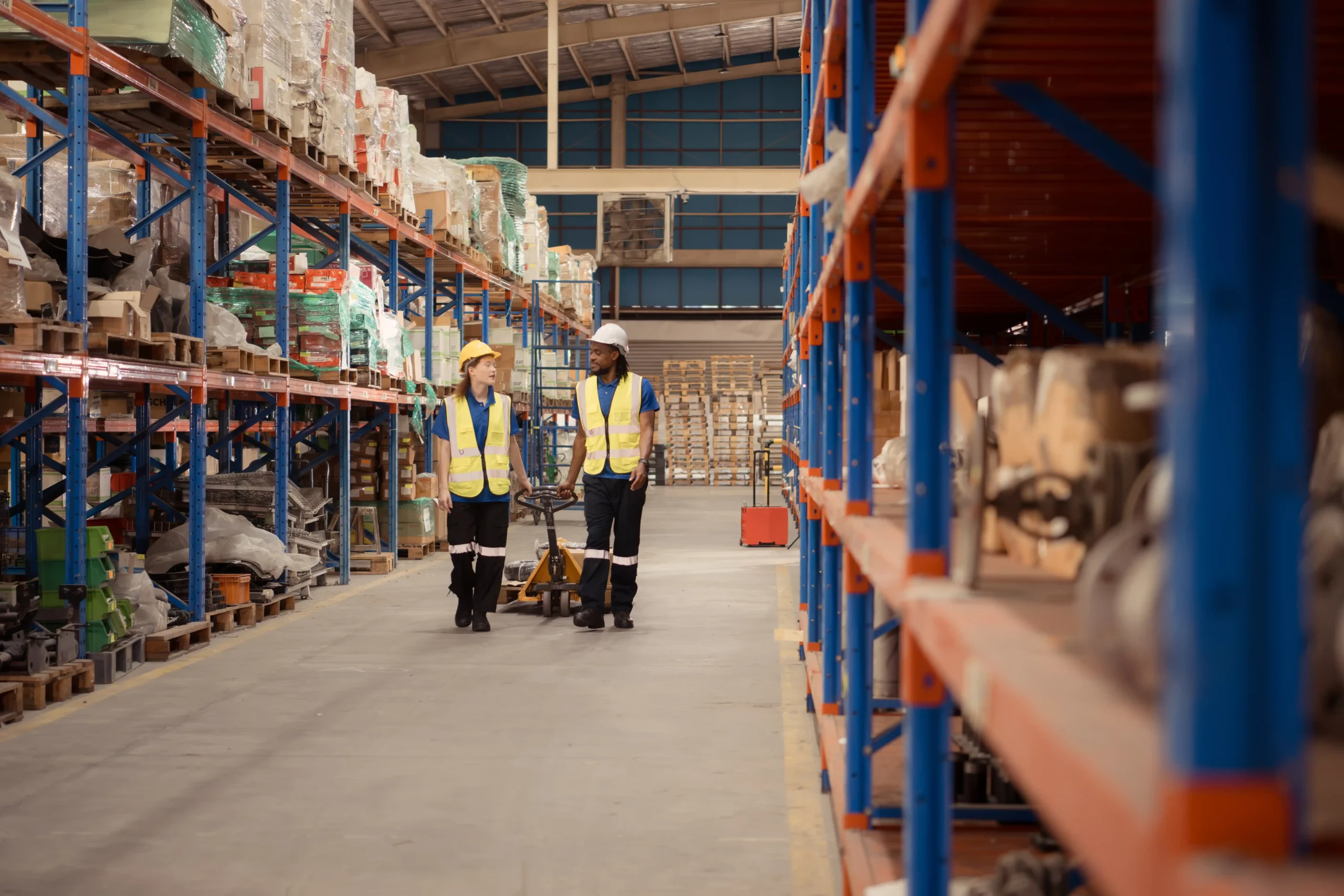
Non-compliance is one of the biggest risks businesses face after the de minimis threshold changes. Failing to adapt can result in fines, shipment delays, and reputational damage.
Using a U.S. warehouse after de minimis helps reduce this risk by keeping products within the U.S. and ensuring they meet CBP requirements before distribution. Legal and financial risks are significant if duties are not paid or documentation is incomplete.
Businesses may also face audits or inspections, especially for shipments previously covered by de minimis. In some cases, alternative options like bonded warehouses or foreign trade zones (FTZs) may be more appropriate for high-value or complex products.
I have personally advised clients to consider these options when U.S. warehouses alone cannot fully mitigate duty exposure. Staying informed about upcoming policy changes is critical.
Trade regulations continue to evolve, and businesses that anticipate shifts can adjust their warehouse strategy proactively. From my perspective, compliance isn’t just about avoiding fines—it’s about maintaining smooth operations and customer trust.
A U.S. warehouse after de minimis is a tool to achieve this balance, allowing businesses to operate efficiently while remaining fully compliant. Read more here.
Over the years, I’ve worked with companies facing the challenges created by the de minimis change, and I’ve seen different strategies play out. One small fashion brand, for instance, relied on international shipping for artisan shoes.
After the de minimis removal, they switched to a U.S. warehouse and batch-shipped inventory, which reduced tariffs and sped up delivery. The transition required clear communication with customers about pricing and timing, but ultimately allowed the company to maintain a loyal U.S. customer base.
Larger e-commerce businesses have also had to rethink their supply chains. Companies like those selling electronics accessories or seasonal items moved high-volume inventory into U.S. warehouses, allowing for faster fulfillment and lower per-unit costs.
These businesses now track shipments with integrated software, monitor customs compliance, and maintain detailed records to reduce inspection delays. The experience shows that both small and large companies can adapt successfully with the right strategy.
I’ve also observed how product pricing and communication play a role. Businesses that transparently disclose tariffs or duties upfront maintain customer trust and reduce complaints.
For niche markets, it’s critical to explain why shipping costs have increased and how domestic warehousing ensures faster and more reliable delivery. These case studies demonstrate that a U.S. warehouse after de minimis is not just a compliance measure—it’s a business strategy that preserves competitiveness.
For businesses considering a U.S. warehouse after de minimis, the first step is assessing whether this approach fits your products and customer base. Evaluate your international shipping patterns, duty exposure, and customer delivery expectations.
Once that’s clear, selecting the right warehouse and fulfillment partner is critical. A partner with expertise in CBP compliance, inventory management, and integrated software systems can make the difference between smooth operations and costly delays.
Next, structure your shipments for cost optimization. Batch shipping and inventory placement near high-demand markets can minimize tariffs and reduce delivery times.
Maintain accurate documentation for every product, including country of origin, value, and tariff classification, to ensure customs clearance is smooth. Using technology to track inventory and shipments will save time and prevent errors.
Finally, monitor regulatory changes and adjust your strategy proactively, whether that means expanding warehouse capacity, using bonded warehouses, or exploring FTZ options.
With over 35 years of experience in third-party logistics and FTZ management, I’ve learned that the removal of the de minimis exemption is both a challenge and an opportunity. A U.S. warehouse after de minimis can help businesses streamline operations, reduce customs duties, and improve delivery times while staying compliant with CBP rules.
By strategically placing inventory, partnering with the right 3PL, and leveraging technology, companies can mitigate risks and maintain customer satisfaction. Ultimately, adapting quickly and thoughtfully is the best way to future-proof your supply chain in the post-de minimis environment.
Share this article