When people hear the term warehouse and logistics courses, they often assume it means sitting in a classroom learning theory. In practice, the best programs go far beyond definitions and slides.
These courses are designed to teach how goods move, how inventory is controlled, and how decisions inside a warehouse affect the entire supply chain. From my perspective as a president of a third-party logistics and Foreign Trade Zone company, the strongest courses focus on how work actually happens on the floor.
They explain why one mistake in receiving can create problems all the way through shipping. Good training makes people think in systems, not just tasks. At Tri-Link FTZ, we’ve spent decades watching employees grow into leaders through a mix of hands-on work and structured learning.
Courses give people language for what they already experience daily, and they help them avoid repeating costly mistakes. A strong program connects warehouse layout, inventory accuracy, labor planning, and transportation into one continuous process.
That’s the real value. It’s not about memorizing terms; it’s about understanding flow.
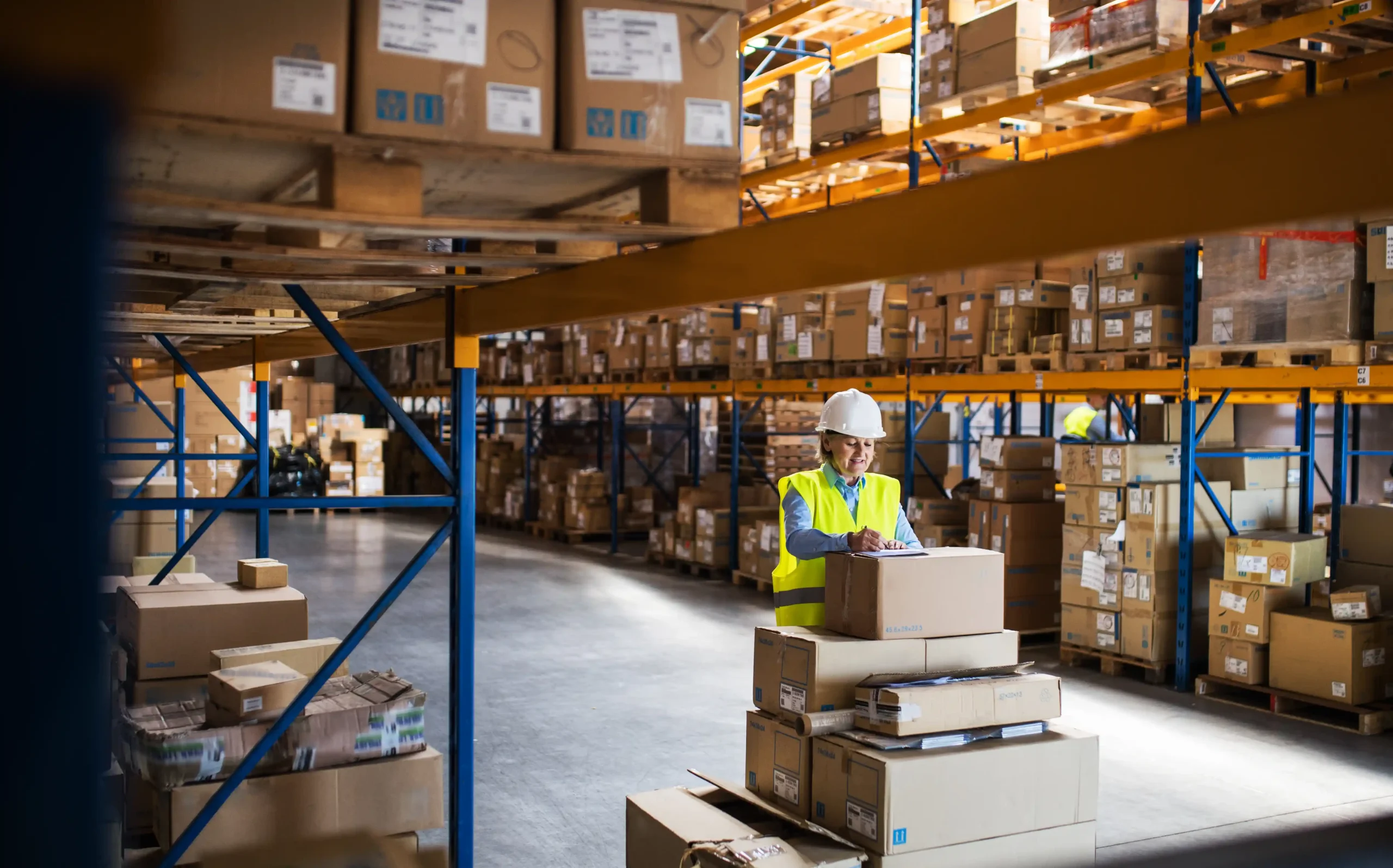
Warehousing today is nothing like it was 20 years ago, and it’s definitely not what it was when I first entered this industry over three decades ago. Customer expectations are higher, margins are tighter, and errors cost more than ever.
That’s why warehouse education has become critical instead of optional. Courses now teach data awareness, safety compliance, and efficiency methods that didn’t exist when many veterans started.
Without training, teams fall behind quickly. I’ve seen operations struggle because people were promoted without the right foundation.
They worked hard, but they didn’t understand why certain systems existed or how to improve them. Education fills that gap.
When people understand the “why,” they perform better and make smarter decisions. That’s what separates stable operations from constantly reactive ones.
For younger professionals, structured learning also shortens the experience curve. Instead of learning only through trial and error, they gain insight from decades of industry lessons.
In an environment like a Foreign Trade Zone, where compliance and accuracy matter, that knowledge is invaluable.
The strongest training programs cover far more than basic warehouse tasks. They explain how receiving, put-away, picking, packing, and shipping all affect inventory integrity.
Students learn why cycle counts matter and how poor labeling can disrupt an entire operation. From my experience, the most valuable courses also teach communication between departments.
Warehouses don’t operate in isolation, and neither should training. Courses often dive into warehouse management systems, even at a high level, to show how data flows through an operation.
Understanding what a system tracks and why it tracks it helps workers trust the process instead of fighting it. I’ve watched productivity jump simply because people finally understood what the software was trying to accomplish.
That kind of clarity reduces resistance and errors. Safety and compliance are also major components.
In logistics, safety mistakes don’t just slow things down—they shut operations down. Good education teaches risk awareness and accountability, not just rules.
That mindset protects people, product, and the business.
One thing I’ve learned after 35 years in third-party logistics is that education works best when it’s paired with real experience. Courses alone don’t make someone effective, but they amplify what experience teaches.
When employees take training while actively working in a warehouse, concepts stick faster. They can immediately connect lessons to what they see every day. At Tri-Link FTZ, many of our strongest leaders didn’t start with degrees.
They started on the floor and layered education on top of experience. That combination builds confidence and credibility.
When someone understands both theory and practice, teams listen. That’s when operations truly improve. This is why choosing the right learning path matters.
The goal isn’t to collect certificates; it’s to become more effective in real operations. Education should support growth, not distract from it.
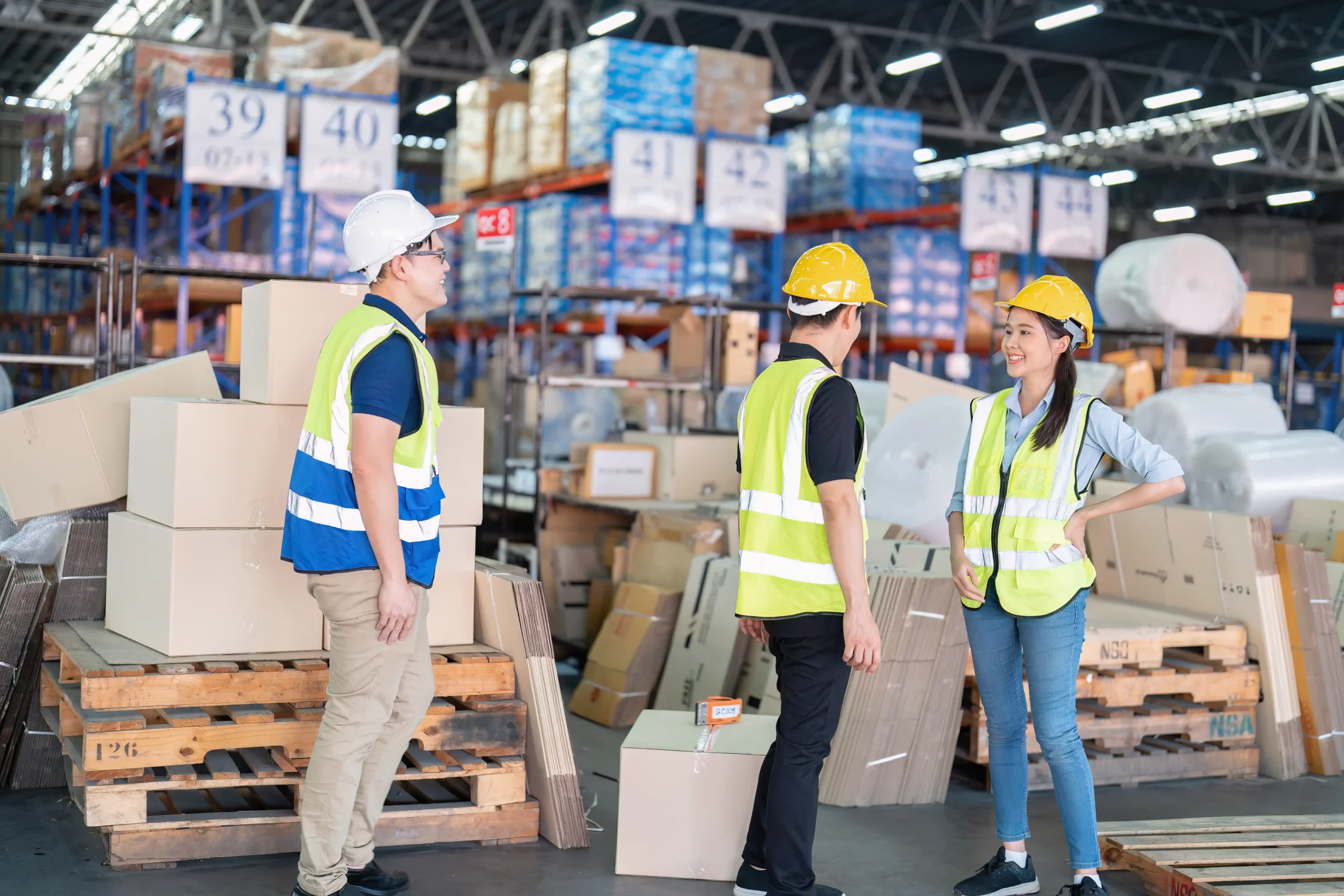
To help clarify how different programs fit different career stages, here’s a simple comparison based on what we’ve seen work in real warehouse environments.
Course Type | Best For | Practical Value | Career Impact |
Entry Certificate | New workers | Builds basic understanding | Faster onboarding |
Diploma Programs | Supervisors | Improves decision-making | Leadership readiness |
Online Courses | Working professionals | Flexible skill upgrades | Steady advancement |
In-house Training | Operations teams | Direct application | Immediate efficiency |
Each option serves a purpose, but none replace hands-on learning. The best results come from blending education with daily operational exposure.
From my perspective, these programs aren’t just for people starting out. I’ve seen supervisors, managers, and even executives benefit from stepping back into structured learning.
The industry evolves, and staying current matters. Technology, compliance standards, and customer demands change faster than most people expect.
For new entrants, education builds confidence and shortens the learning curve. For experienced workers, it fills gaps and updates outdated practices.
And for leadership, it sharpens strategic thinking. That’s why warehouse and logistics courses remain relevant at every career stage.
One of the biggest misconceptions I see is that education in warehousing only matters at the entry level. In reality, training becomes more valuable as responsibility increases.
When someone moves from an hourly role into supervision, the job changes completely. Decisions begin to affect labor costs, accuracy, safety, and customer satisfaction all at once.
That’s where structured education helps turn experience into leadership. Over the years, I’ve watched team members struggle not because they lacked effort, but because they lacked context.
They knew how to do tasks but didn’t fully understand the downstream impact of their decisions. Courses help fill that gap.
They explain why metrics exist, how workflows are designed, and what happens when systems break down. That knowledge reduces stress and improves confidence in decision-making.
At a 3PL like Tri-Link FTZ, we operate in fast-moving, high-stakes environments. Clients rely on accuracy, speed, and compliance. Education helps our teams deliver that consistently.
When people understand the bigger picture, they stop reacting and start planning. Read more here.

There was a time when online courses were viewed as second-tier. That’s no longer the case. Today, many online programs are well-structured, current, and designed by people who actually work in the industry.
From what I’ve seen, their effectiveness depends on how they’re used. When paired with real work experience, online learning can be extremely powerful. Flexibility is the biggest advantage.
Warehouse professionals often work long or irregular hours, and online education allows them to learn without stepping away from their jobs. That accessibility opens doors for people who might otherwise be excluded from professional growth.
It’s one of the reasons we encourage continuous learning at all levels. That said, not all programs are equal.
The best ones focus on real operational challenges, not just definitions. They ask learners to think critically, not just pass quizzes.
When chosen carefully, online education becomes a practical tool, not a shortcut.
After reviewing countless resumes and training backgrounds over the years, patterns become clear. Strong programs emphasize application, not just completion.
They encourage learners to analyze processes, identify inefficiencies, and think about improvement. Weak programs focus too much on terminology without context.
Good training also evolves. Warehousing changes quickly, and outdated material can do more harm than good.
Programs that update content regularly reflect real-world shifts in technology, labor models, and customer expectations. That’s critical in a field where yesterday’s best practice can become today’s bottleneck.
Ultimately, education should make someone more effective on the job. If a course doesn’t help someone solve problems faster or communicate more clearly, it’s missing the mark. Read more here.
The logistics industry is facing a talent gap, especially at the supervisory and management levels. As older professionals retire, the next generation needs more than just experience.
They need structured knowledge to step into leadership roles confidently. That’s where warehouse and logistics courses play a critical role.
Training creates consistency across the industry. It helps establish shared standards and expectations.
That makes collaboration between partners smoother and more predictable. In a global supply chain, that consistency matters.
From where I sit, education isn’t a trend—it’s a requirement. The companies that invest in learning today will be the ones that adapt tomorrow.
After more than 35 years in third-party logistics, one thing has remained consistent for me: the companies that last are the ones that invest in people, not just infrastructure. Warehouses, systems, and technology all matter, but none of them work well without trained professionals who understand how everything connects.
Education is what turns daily work into long-term capability. It gives people the confidence to make decisions, solve problems, and take ownership of outcomes.
What separates strong operations from struggling ones is rarely effort. It’s understanding.
When teams understand why processes exist and how their actions affect the bigger picture, performance improves naturally. That’s why structured learning continues to play such an important role in our industry.
It creates clarity in complex environments and consistency in fast-moving operations. At Tri-Link FTZ, we’ve seen firsthand how education strengthens operations inside and outside a Foreign Trade Zone.
Training supports compliance, improves communication, and helps teams adapt as the industry evolves. It also builds leaders who think beyond today’s workload and plan for tomorrow’s challenges.
That kind of thinking doesn’t happen by accident. It’s learned over time through experience and the right educational support.
Share this article