When I talk to business owners about optimizing space, many of them assume that “small warehouse storage” simply refers to squeezing more pallets into a tight building. But in my experience running Tri-Link FTZ for more than three decades, it is much more strategic than that.
It describes a mindset where every inch has a purpose, every workflow is intentional, and the warehouse operates like a controlled system rather than a cluttered room. I’ve walked through facilities where a few thoughtful changes transformed productivity overnight.
To me, this term represents efficiency, adaptability, and an understanding that limited space does not have to limit your growth potential. Instead, it becomes the foundation for a smarter operation that forces you to be precise and forward-thinking.

Over the years, I’ve visited countless warehouses where the pain points were hiding in plain sight. One of the biggest challenges small businesses face is simple overflow—inventory creeping into aisles, staging areas turning into semi-permanent storage, and racks filled with dead stock that no one remembers ordering.
When space is limited, these problems multiply quickly, and the workflow slows down just as fast. Another recurring issue is the lack of a defined process from receiving to shipping, which often forces workers to double back or cross paths unnecessarily.
I’ve also seen how limited visibility into inventory accuracy can disrupt a business’s ability to meet demand, especially during busy seasons. These challenges are fixable, but only if companies commit to auditing their space and understanding how these inefficiencies develop.
In a small environment, every mistake is amplified because there just isn’t room for waste. When aisles are too narrow or storage locations are inconsistent, employees waste time searching for products or walking back and forth across the floor.
In our industry, time is money, and unnecessary footsteps turn into unnecessary labor. Limited space also makes it harder to follow FIFO or organized replenishment routines, which leads to misplaced or expired products. I’ve seen businesses lose valuable customers simply because their inventory accuracy dipped below acceptable levels.
The more crowded a warehouse becomes, the harder it is to keep a clean workflow, and that congestion affects cycle counts, picking accuracy, safety, and throughput.
When I walk into a new client’s facility, the very first thing I study is how people move—not how inventory sits. A small warehouse succeeds or fails based on flow, and in my 35 years in logistics, I’ve seen how even a five-minute bottleneck can snowball into hours of lost productivity over a week.
A smart layout begins with clearly defined zones: receiving, storage, forward picking, packing, and outbound. When these areas overlap, confusion spreads just as quickly as misplaced pallets.
I once worked with a business that unintentionally used half its receiving space as long-term storage; simply reorganizing that area doubled their processing speed. A thoughtful layout allows the warehouse to feel bigger than it actually is, and that’s the core advantage companies must learn to unlock.
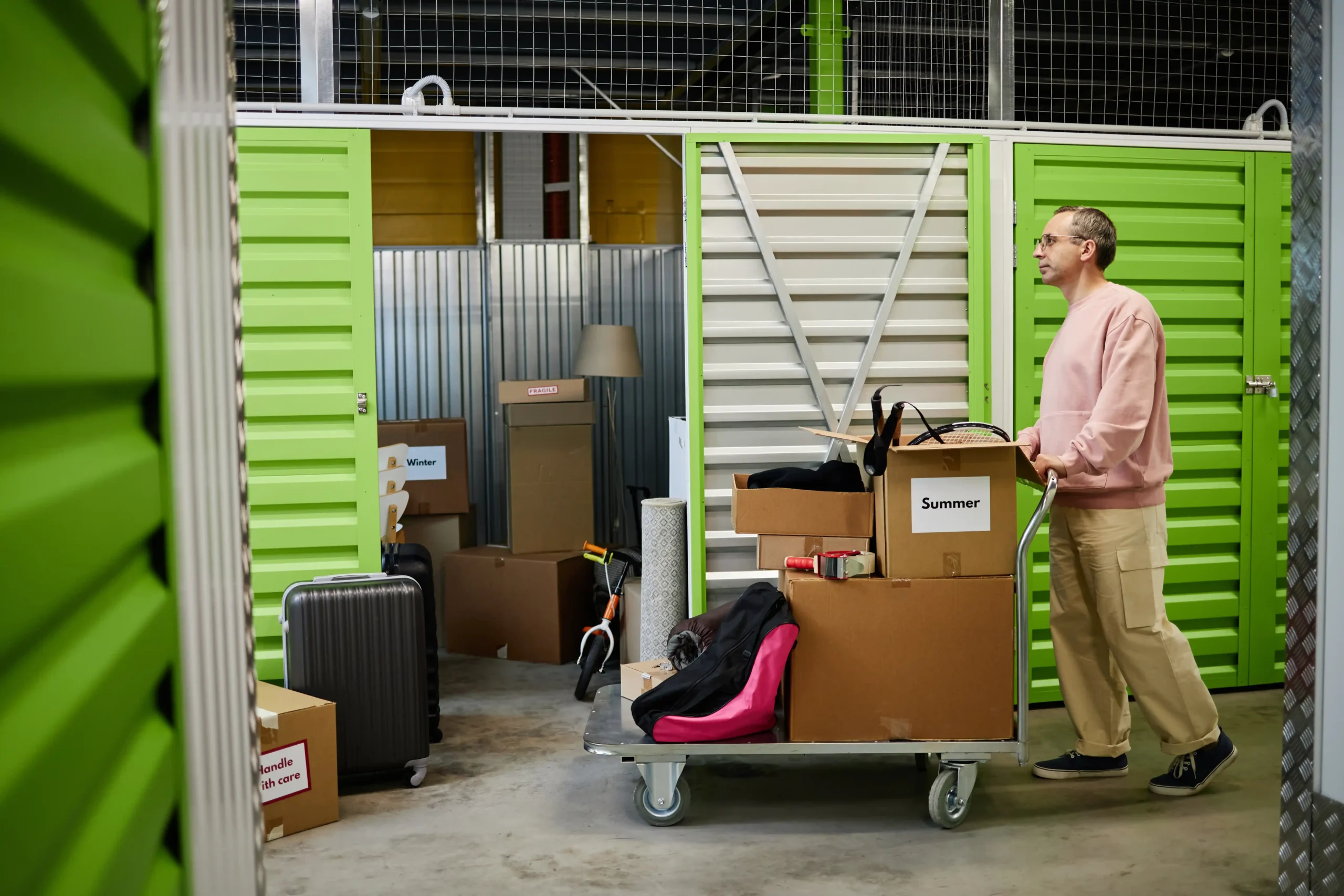
Over the years, I’ve learned that storage systems are not just equipment—they are strategy disguised as steel. Too often, companies default to whatever racking they purchased years ago, even though their product mix has changed dramatically.
A warehouse with mostly slow-moving items should not look the same as one fulfilling daily e-commerce orders. I always review SKU sizes, sales velocity, and handling needs before recommending a solution.
Selective pallet racking works beautifully when you need access to every SKU, but high-density options like drive-in racking or mobile shelving can free up incredible space in the right environment. I’ve also helped businesses right-size their bins and shelves so they aren’t storing air instead of inventory.
Making these changes builds a system that supports your operation instead of suffocating it.
One of the biggest mindset shifts I try to instill is teaching companies to think vertically. The floor is only the beginning; the true potential lies in the air above it.
Mezzanines are one of my favorite tools because they can double usable space without expanding the building footprint. I’ve implemented mezzanine solutions for clients who needed office zones, assembly areas, or simply a place for low-turn inventory.
In other cases, vertical lift modules or tall selective racking systems helped create more capacity while keeping fast-moving items easily accessible. Whenever I assess a warehouse, I look for “lost cubic footage”—empty space above doors, unused gaps beneath beams, or ceiling height left untouched.
Unlocking this space returns immediate value and delays the need for costly expansion. Read more here.
If layout is the backbone of an efficient warehouse, inventory discipline is the heartbeat. Poor inventory habits can cripple even the most beautiful facility.
I often start with an ABC analysis to identify which products deserve the most accessible spots. The top 20 percent of SKUs typically represent the majority of order volume, so prioritizing them can dramatically reduce walking time.
FIFO practices are essential in tight spaces because expired or obsolete items are like weeds—they grow quietly until they choke productivity. I’ve seen warehouses reclaim entire aisles simply by clearing out old equipment and discontinued SKUs.
Good inventory management turns a cramped warehouse into a controlled ecosystem where every item has a purpose and every movement is part of a larger plan. Read more here.
After thirty-five years in logistics and FTZ operations, I’ve learned that a warehouse is rarely limited by its walls; it is limited by its design, its habits, and its data. When you bring structure to your layout, discipline to your inventory, and clarity to your processes, even a modest facility can perform like a much larger one.
The real transformation happens when your team stops fighting the space and starts working with it, following consistent workflows and relying on clean, accurate information. Technology, whether simple barcode tools or a full WMS, then becomes the amplifier that turns good processes into great performance.
My goal at Tri-Link FTZ has always been to help businesses see their warehouse not as a cost center, but as a strategic engine that supports service, speed, and sustainable growth. If you’re willing to audit your current operation honestly and make focused changes, your facility can become one of the strongest assets in your entire supply chain.
Share this article