An automated warehouse storage system is a technology-driven setup that stores, moves, and retrieves products without relying on manual labor. It uses machines like stacker cranes, shuttles, robots, and conveyor systems to handle goods efficiently.
These systems work with a warehouse management system (WMS) to track inventory in real time, improve accuracy, and reduce operational bottlenecks. In simple terms, it replaces the slow, repetitive tasks that people normally do and allows the warehouse to run faster with fewer mistakes.
Businesses use these systems because they help maximize space, reduce costs, and meet customer demand more reliably.
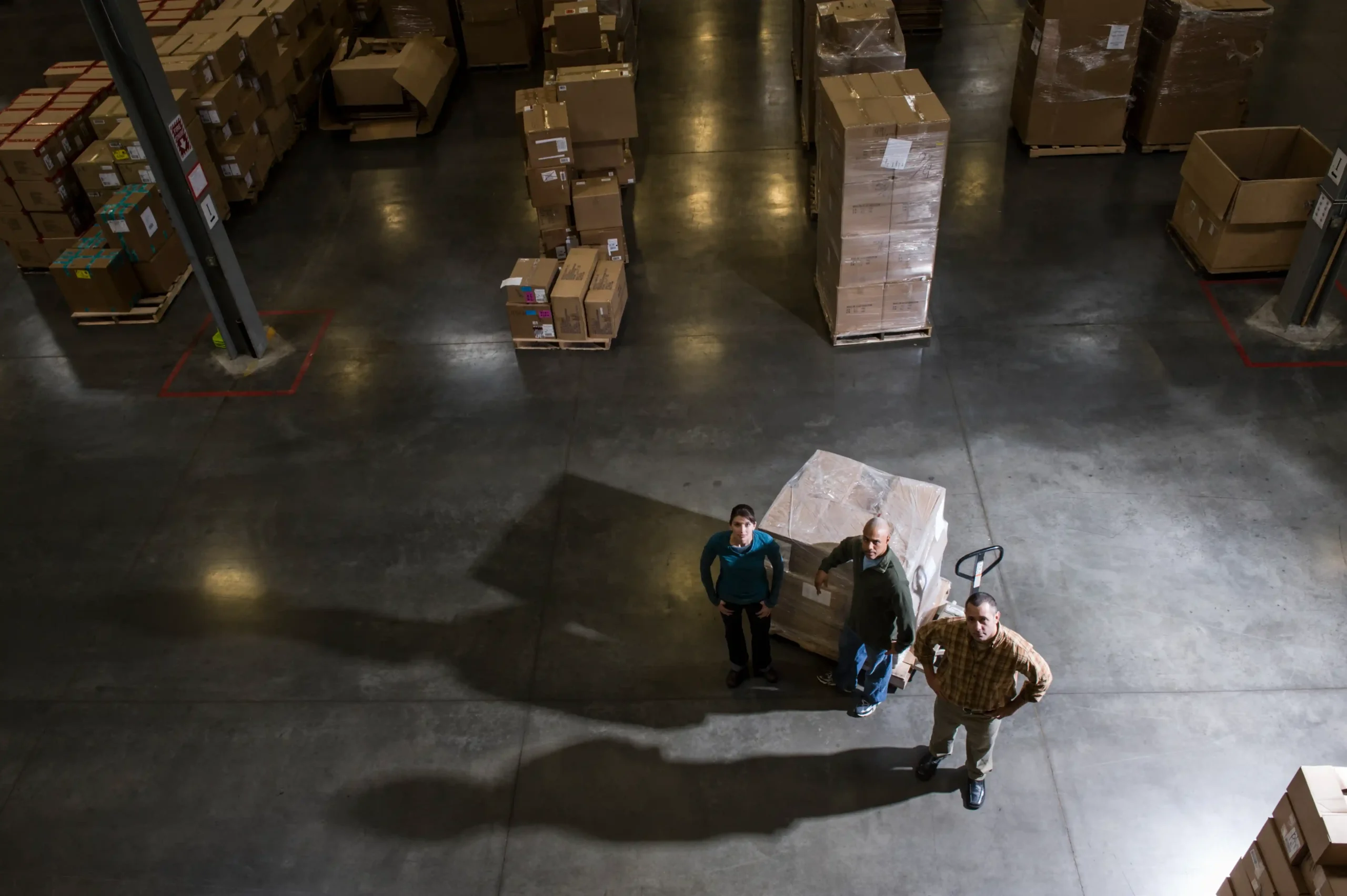
In my 35 years leading a third-party logistics company, I’ve watched warehouse expectations change faster than ever. What used to be a simple storage operation is now a fast-moving environment where accuracy, speed, and visibility are everything.
The pressure is even higher inside a foreign trade zone, where compliance and inventory tracking aren’t optional—they’re mandatory. That’s why investing in an automated warehouse storage system has become more than a trend; it’s a strategic decision many growing businesses can’t ignore.
Every year, I meet companies struggling with the same challenges: not enough labor, too many SKUs, tight deadlines, and rising operating costs. When these issues stack up, automation isn’t just helpful—it becomes the most reliable path forward for long-term stability and competitive advantage.
When I walk clients through their first automation project, I usually start by explaining how the system flows from receiving to shipping. Instead of workers walking miles across aisles, the automated warehouse storage system brings products directly to the operator, cutting wasted movement almost entirely.
Stacker cranes travel through tall racking structures to place or retrieve pallets with precision, while conveyors carry goods across zones without delays. Robotics play a major role as well, especially autonomous mobile robots that transport totes or shelves wherever they’re needed.
All of this is coordinated by warehouse software that assigns tasks, tracks inventory, and ensures every movement is accurate. What looks complicated on day one becomes remarkably simple once you see how each piece communicates to create a smooth, predictable workflow.
One of the biggest misconceptions I see is the belief that all automated systems are the same, but the truth is each technology serves a different purpose. Vertical lift modules are excellent for small parts and high-density storage, delivering trays right to waist height so workers don’t bend or reach.
On the other hand, horizontal and vertical carousels spin inventory around like a Ferris wheel or racetrack, making them ideal for fast-moving items in tight spaces. For high-volume environments, mini-load AS/RS cranes and shuttle systems offer unmatched speed and accuracy for totes and cartons.
Robotics has also evolved fast, with AMRs now able to navigate complex warehouse layouts without tracks or fixed routes. These tools all form part of a modern automated warehouse storage system, allowing companies to scale their technology based on inventory type, order volume, and workflow design. Read more here.
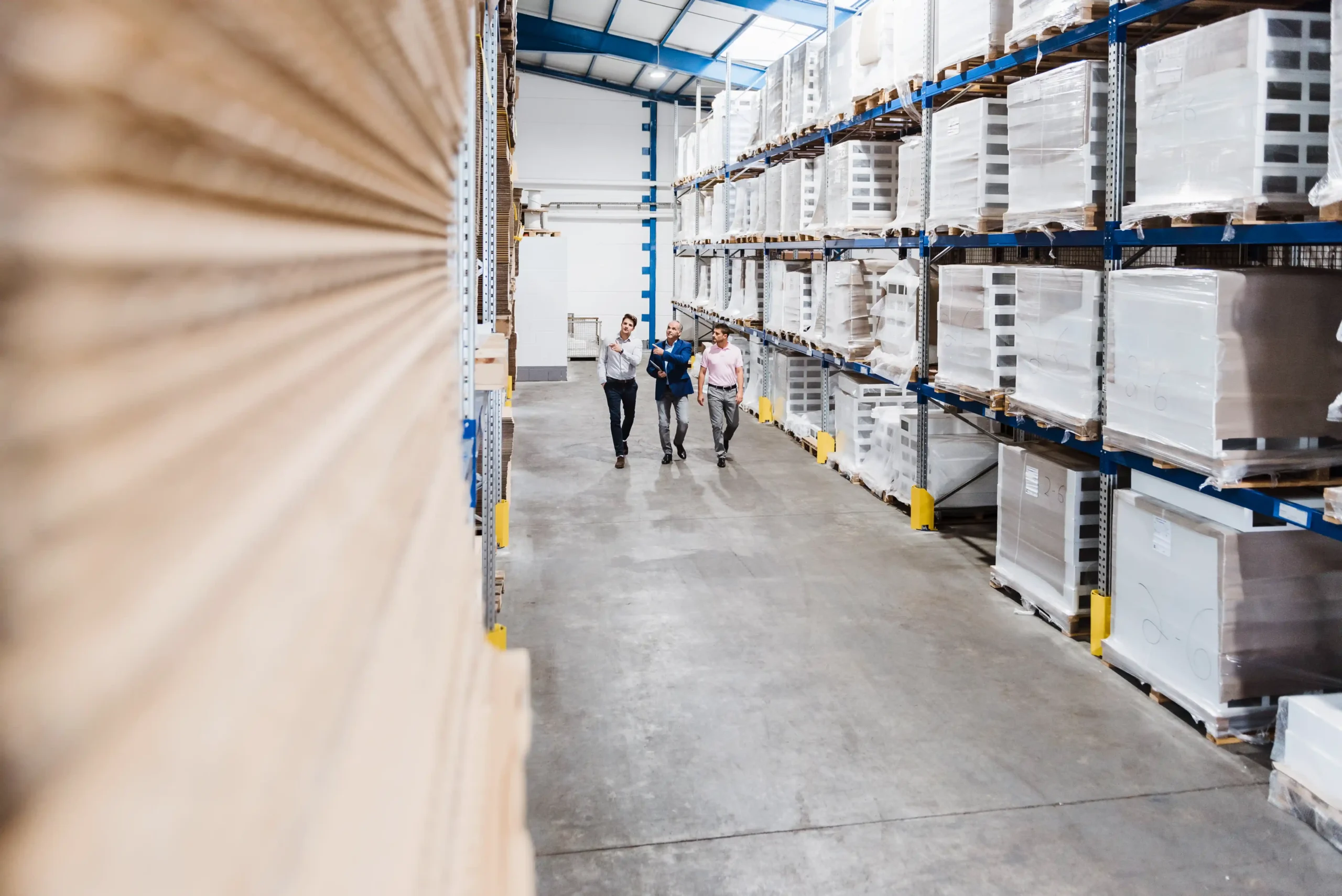
Over the years, I’ve helped clients choose automation systems based on their load characteristics, building structure, space constraints, and temperature requirements. Pallet-based AS/RS systems are the powerhouse for heavy loads, offering consistent handling and deep storage capability.
Smaller operations with lighter items often choose miniload or cube-based systems that store hundreds of totes in compact, vertical structures. Temperature-controlled warehouses gain the most from automation because minimizing door openings and worker exposure saves massive energy costs.
Even the warehouse building itself can be automated, such as clad-rack structures where the racking becomes the building’s skeleton. No matter the style, every automated warehouse storage system aims to maximize space, accuracy, and flow while reducing manual steps.
After decades of running large and small distribution centers, I can say confidently that most operational issues stem from the same few bottlenecks. Labor shortages are at the top of the list, because reliable warehouse labor has become harder to find than ever, especially during peak seasons.
I’ve seen teams fall behind simply because workers needed to travel long distances to find the right SKU or confirm quantities manually. An automated warehouse storage system eliminates that wasted effort by bringing inventory directly to the operator, reducing mistakes and removing long search times.
Space constraints are another growing challenge, especially in cities where rent continues to rise, and automation lets us store more product vertically without expanding the building. These systems also reduce product damage and theft, since access is controlled and goods move in predictable, automated paths instead of being handled by multiple people.
Every time we implement automation for a new client, their first reaction is surprise at how quickly the improvements add up. Accuracy almost always spikes immediately because the system guides operators step by step, showing them exactly what to pick and where it belongs.
Throughput jumps next, as machines can work continuously without breaks or fatigue, helping teams meet tight deadlines and higher order volumes. Space savings often become the most appreciated benefit, since an automated warehouse storage system allows companies to store more inventory in less square footage.
What clients don’t expect, though, is how much safer the warehouse becomes when machines handle most of the heavy lifting. When you reduce forklifts, reaching, bending, and manual carrying, you also reduce injuries and create a stronger, more dependable environment for your team.

Even with all of its advantages, automation is not something you set up overnight. One of the biggest hurdles for many companies is the upfront investment, which can seem intimidating at first glance.
I always remind clients that automation pays for itself through labor savings, space reduction, and improved accuracy, but it still requires careful planning. Integration with a warehouse management system is another challenge because your data needs to be clean, accurate, and consistent for the system to operate smoothly.
Training is also essential, as teams need time to adapt to new workflows and trust the technology. Downtime becomes a risk if maintenance is not scheduled properly, so we always create preventive care plans that keep equipment running at peak performance.
Over the years, I’ve found that strong project planning and clear communication eliminate most of these risks before they ever become real problems.
Many businesses feel unsure about whether they’re ready for automation, so I often start with a simple readiness checklist. If your warehouse is running out of space, struggling with inaccurate inventory, or missing order cut-off times, those are strong signs that automation could make an immediate impact.
Companies growing fast or expanding their product lines usually reach a point where manual workflows simply can’t keep up. Another helpful sign is when your labor costs rise while productivity stays the same, which means you’re paying more but not gaining additional output.
An automated warehouse storage system becomes a natural next step when your business needs more control, more speed, and more accuracy than traditional methods can offer. The companies that benefit most are the ones that want long-term stability and are willing to invest in scalable systems that support future growth.
With so many technologies available, selecting the right system can feel overwhelming, but the decision becomes clearer once you define your goals. Some companies value speed above everything else, while others need dense storage because real estate costs limit their space.
I always encourage clients to study their order patterns, SKU velocity, and inventory profiles before choosing a solution. A system designed to handle heavy pallets is very different from one built for small parts or temperature-controlled goods.
Software compatibility also matters because the warehouse management system must communicate smoothly with the automated equipment. When evaluating vendors, I look for experience, proven case studies, and the ability to scale the system as our clients grow.
Asking detailed questions about maintenance, spare parts, uptime, and future upgrades ensures you’re choosing a partner, not just a product.

Introducing automation doesn’t mean replacing your entire warehouse overnight; most businesses start with a phased approach. We often integrate automated storage for fast-moving items first, while keeping bulk storage or value-added services in their existing zones.
The warehouse management system acts as the bridge, sending the right tasks to the automated zones while coordinating manual workflows where needed. Over time, as teams get comfortable, more processes shift to automation, allowing businesses to scale without major disruptions.
Staffing roles change as well, with workers becoming equipment operators, inventory specialists, and system monitors instead of traveling miles across aisles. The entire operation becomes smoother, more predictable, and easier to manage because automation creates a steady, repeatable flow of goods. Read more here.
A successful automation project begins with data—specifically SKU history, order volumes, and storage requirements. Once we understand your patterns, we move into system design and simulation, where we model how the automated warehouse storage system will perform in real-world conditions.
Installation comes next, and although it may look complex, most projects follow a predictable timeline with clear milestones. Testing and training happen before go-live so your team is fully prepared for day-one operations.
The final stage is ramp-up, where we monitor the system closely and make small adjustments to improve performance. Before long, the warehouse is running faster, smoother, and more accurately than ever, and most clients wonder how they ever operated without automation.
Automation isn’t just a trend—it’s the direction modern warehousing is heading, especially for businesses managing complex inventories and fast-moving supply chains. Throughout my 35 years in 3PL and FTZ operations, I’ve seen firsthand how the right automated warehouse storage system transforms productivity, accuracy, and long-term profitability.
Whether you run a small facility or a large multi-client distribution center, automation gives you the tools to operate with confidence and consistency. As demand grows and customer expectations rise, the companies that invest early in automation position themselves for long-term success.
Share this article