When we talk about metal racks for warehouse storage, we’re referring to engineered steel structures designed to hold palletized goods, cartons, long materials, and specialty items. These racks are built to maximize vertical space, improve inventory access, and support safe material-handling operations.
They come in many forms—from pallet racks to cantilever systems—and each one serves a specific purpose depending on the load type and warehouse workflow. In my three decades of operating large-scale logistics facilities, I’ve seen how these racks completely transform both efficiency and storage density.
They essentially act as the backbone of any modern warehouse, giving businesses a reliable formula for organizing inventory in a way that cuts labor hours, reduces product damage, and boosts overall throughput.
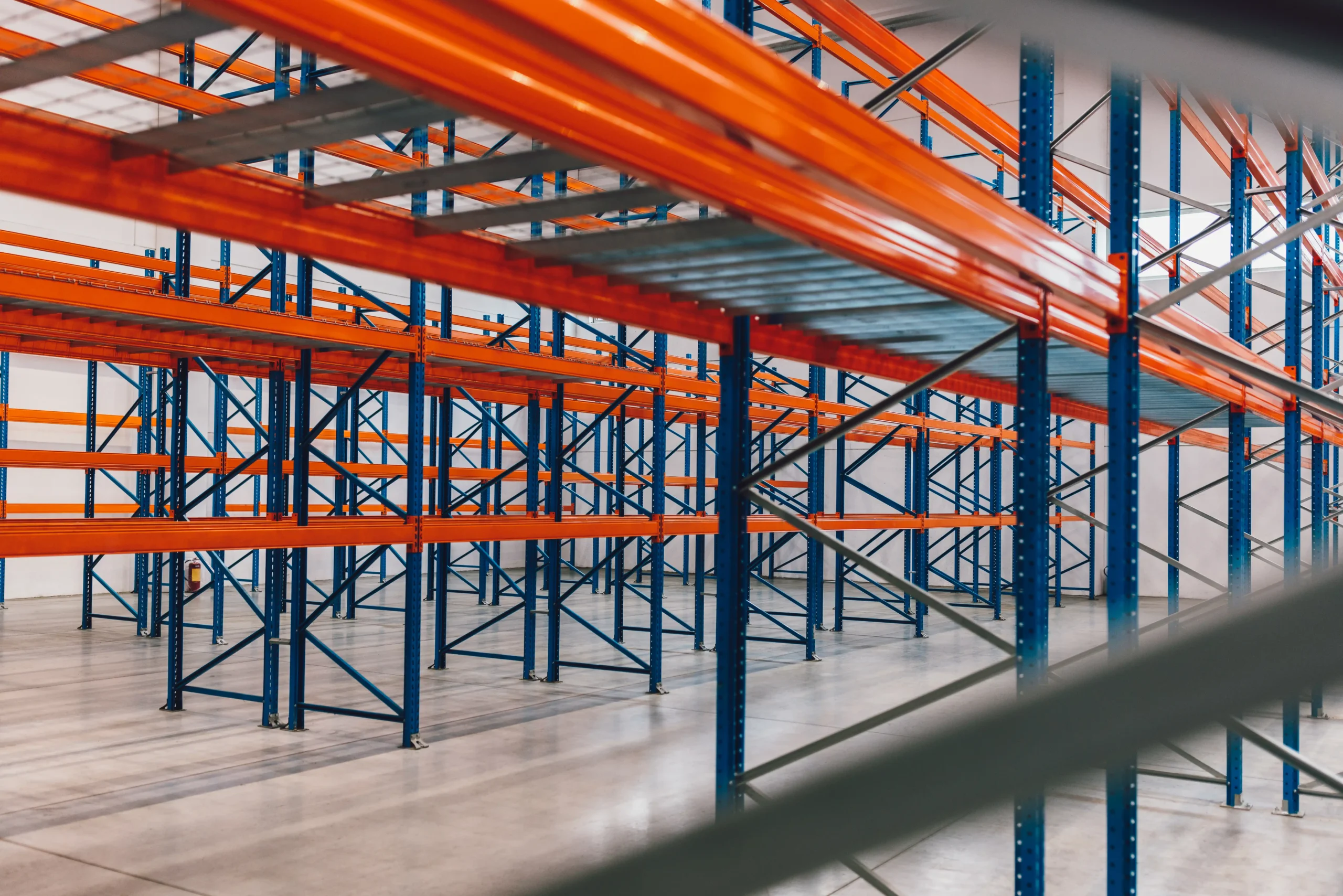
As someone who has managed fast-growing FTZ and 3PL operations for years, I’ve watched many warehouses reach a point where their existing structure simply can’t keep up with rising inventory demands. Inventory begins taking over floor areas, pallets get stacked too high without proper support, and forklifts end up navigating tight lanes that weren’t designed for increased volume.
These situations slow down order picking, lengthen forklift routes, and create moments where just one wrong turn could lead to product damage or employee injury. When these problems arise, businesses face escalating labor costs because staff spend too much time searching for items or moving misplaced pallets.
Another challenge is the inefficient use of vertical space, because so many warehouses store goods only at ground level or rely on stacking methods that compromise stability. Over time, all of this results in lost productivity, unsafe working conditions, and an inability to scale smoothly.
This is exactly where metal racks for warehouse storage show their true value by restoring order and creating predictable inventory flow.
After 35 years in the logistics world, I can confidently say that metal racks for warehouse storage are one of the few investments that consistently deliver measurable improvements. They offer the kind of structural reliability that allows heavy inventory to be stored securely across multiple levels without fear of collapse or load shifting.
Unlike improvised shelving or temporary stacking, metal racks give you the flexibility to adjust beam heights, add accessories, and expand the system as business needs evolve. One thing I’ve learned operating Tri-Link FTZ is that scalability matters just as much as strength, because growth often happens faster than expected.
Metal racks also integrate seamlessly with various types of forklifts and material-handling systems, which helps create a safer working environment with predictable traffic patterns. Over time, businesses see fewer damaged goods, smoother inbound and outbound workflow, and a noticeable reduction in wasted time.
They simply create a foundation you can trust when every square foot of your warehouse matters.
When selecting metal racks for warehouse storage, it’s important to understand that each rack type is designed for a specific kind of inventory. Over the years, I’ve worked with pallet racks the most because they support high-volume palletized goods and allow forklifts to access inventory quickly.
They’re ideal for warehouses that move products daily and need consistent, repeatable storage patterns. Cantilever racks are another essential system, especially for industries storing long materials like lumber, steel pipes, or sheet goods.
Their open-front design prevents damage and makes side-loading faster and safer. Bulk storage racks also play a major role in many of the facilities I oversee because they support cartons, totes, and oversized products without requiring pallets at all.
They’re a natural fit for hand-pick operations or e-commerce fulfillment zones. Finally, there are specialty racks designed for molds, glass, rolls, tires, and heavy dies, and these systems dramatically improve both accessibility and safety by giving unique products the structural support they need.
All of these rack types work together to build a warehouse layout tailored to the flow of your operation.
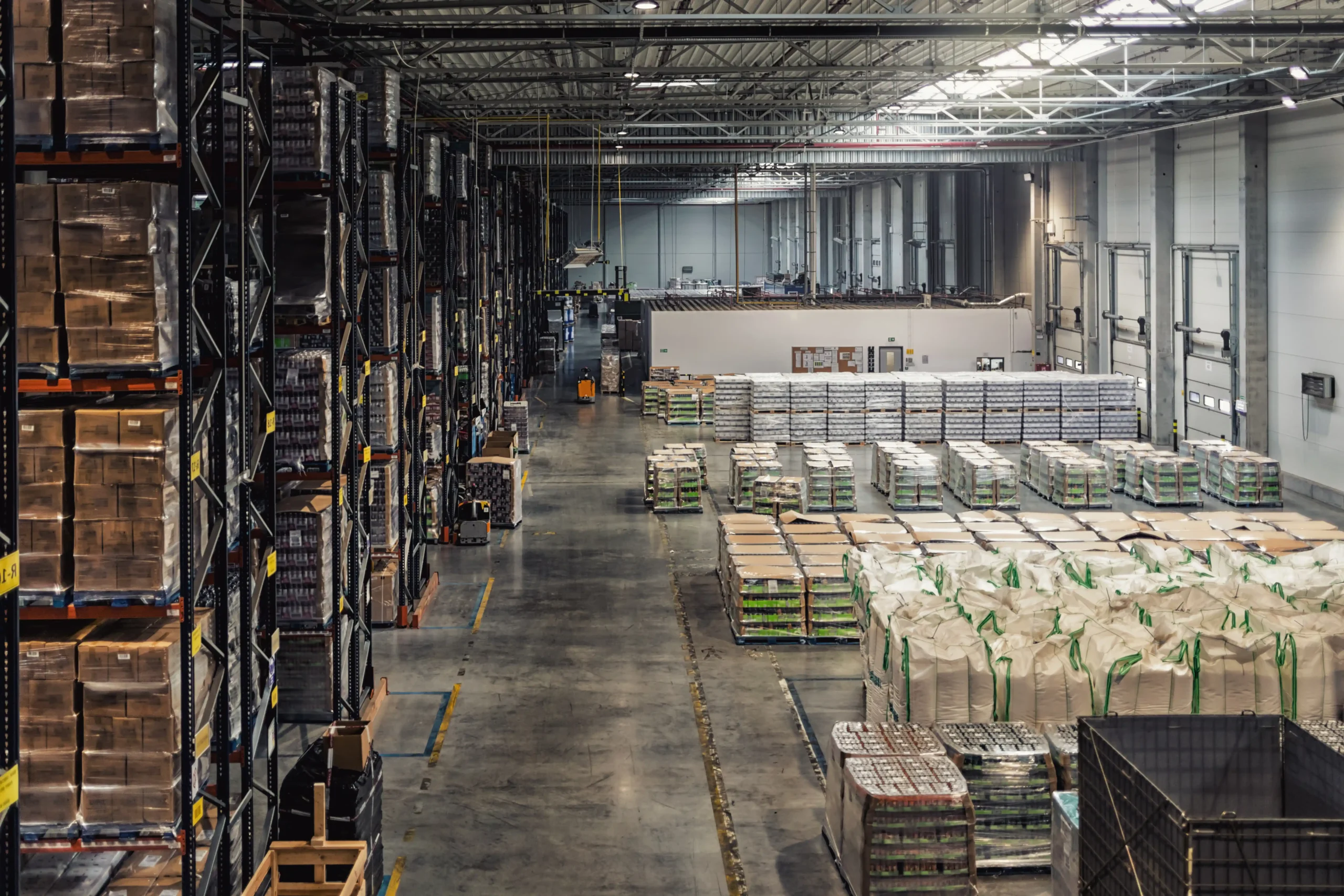
Choosing the right rack begins with a complete understanding of your inventory profile, including weight, dimensions, and turnover rate. In our own facilities, we always start by analyzing SKU velocity to determine which items should be positioned at ground level and which can be stored higher up.
The next major factor is your material-handling equipment. For example, reach trucks allow for narrower aisles and higher racking, while sit-down forklifts require wider maneuvering space.
Another important decision is whether to choose structural steel or roll-formed racks. Structural steel offers heavier capacity and greater impact resistance, which is essential for high-traffic warehouses with frequent forklift movement.
Roll-formed racks, on the other hand, offer more flexibility and easier beam adjustments at a lower cost. Environmental conditions also matter; cold storage, corrosive environments, and outdoor yards often require galvanized or stainless steel options.
Every decision needs to align with both your current operational demands and your long-term expansion plans.
A well-designed layout can make or break your warehouse efficiency, and I’ve seen that firsthand across multiple FTZ operations. Before installing any system, we study the building’s clear height, column spacing, and fire sprinkler layout because these factors determine how high we can safely build.
Another important layout decision involves aisle width. Standard aisles work well for traditional forklifts, but narrow or very narrow aisles allow you to store more pallets in the same footprint.
The key is matching aisle width to your equipment so operators can work safely without damaging beams or uprights. We also establish dedicated zones for reserve storage, picking, staging, and returns to maintain a predictable flow.
Over time, your needs may evolve, so it’s wise to design a layout that can accommodate add-on bays or future automation. When the warehouse is designed with these principles in mind, metal racks for warehouse storage become far more effective and easier to maintain long-term. Read more here.
Safety is one of the first topics I bring up whenever we design a storage system, because even the strongest metal racks for warehouse storage can fail if they’re not used correctly. Every rack has a published load capacity, and exceeding those limits puts both people and products at risk.
In our FTZ facilities, we make sure load plaques are visible on each bay so operators know exactly how much weight each level can support. Another major safety consideration involves flue spaces, which are the gaps needed between pallets and rack rows to allow proper sprinkler penetration.
Without these gaps, fires can spread faster and become harder to control. Anchoring and load distribution also play a huge role in preventing tipping or shifting, and we conduct regular inspections to identify bent uprights, missing clips, or beam deflection.
These inspections often reveal forklift impact points, which is why we use column protectors and end-of-aisle guards to reduce long-term damage. When safety is built into your rack strategy from day one, you prevent accidents, protect your team, and avoid costly downtime. Read more here.
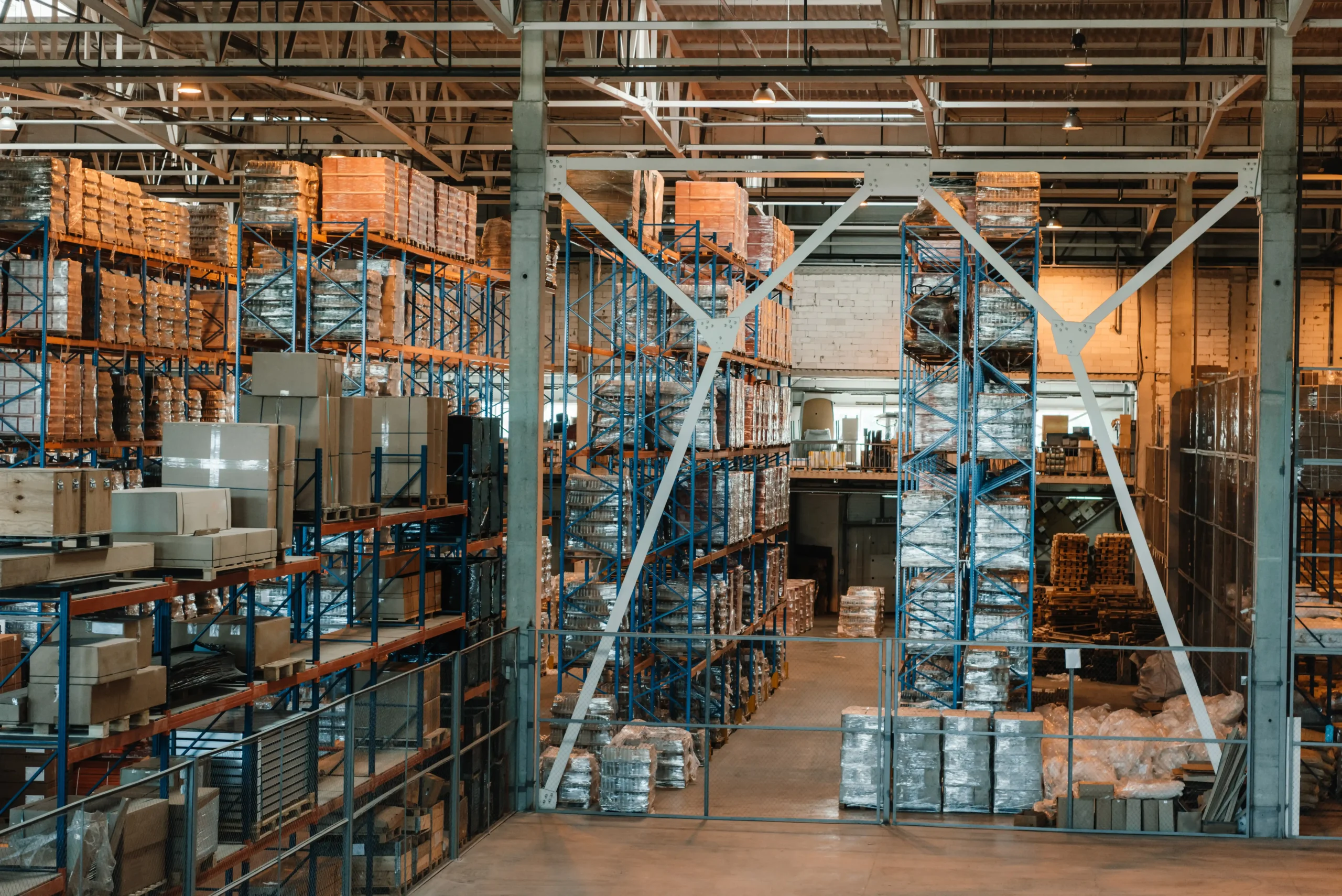
One of the biggest misconceptions I hear is that investing in a rack system is just a capital expense, when in reality it’s one of the strongest ROI drivers in a warehouse. The cost of metal racks for warehouse storage depends on height, gauge, decking, accessories, and whether you choose structural or roll-formed steel.
While structural racks cost more up front, they last longer in high-traffic environments because they can withstand repeated forklift impacts. Roll-formed racks are great for lighter operations and cost-sensitive installations.
The real ROI comes from increasing pallet positions without expanding your building footprint, which can save millions in real estate expenses. In our experience, optimized storage reduces labor hours by shortening travel paths and creating predictable picking locations.
It also dramatically decreases product damage and improves overall workflow. When evaluating total cost of ownership, businesses should consider repairs, expansions, and the expected life cycle of the rack system.
Building a successful rack system requires a structured process, and at Tri-Link FTZ we’ve refined ours over decades of experience. It begins with a discovery phase where we gather data on SKUs, pallet types, inventory turnover, and building specifications.
Once we have that information, our engineering team creates a layout that aligns with safety codes and operational goals. After presenting design options and budget estimates, we guide clients through permitting and code review, which is especially important in high-seismic regions or facilities with advanced sprinkler systems.
Installation is handled by trained crews who understand the importance of anchoring, leveling, and bracing. Before go-live, we walk the facility with the client to ensure every bay is labeled, inspected, and ready for use.
This step-by-step process ensures the rack system performs as promised and scales with the business.
Just like any critical infrastructure, a rack system requires ongoing attention. In our warehouses, we perform regular inspections to catch issues early and prevent structural problems from worsening. Training is also vital because operators must understand how to load racks correctly and avoid unsafe practices like uneven pallet placement or exceeding weight limits.
Over time, your inventory profile may change, and when it does, your rack configuration should change with it. Adjusting beam levels, adding dividers, or converting zones into higher-density storage can keep your layout efficient.
One of the biggest advantages of metal racks for warehouse storage is that they adapt as your business evolves, giving you the flexibility to stay competitive in a demanding industry.
After more than three decades in logistics and Foreign Trade Zone operations, I’ve learned that the strength of a warehouse depends on the strength of its storage systems. When you invest in metal racks for warehouse storage, you’re not just adding steel structures to your floor—you’re building the foundation for safer workflows, faster order fulfillment, and long-term scalability.
A well-planned rack system gives your team the confidence to work efficiently and reduces the costly mistakes that come from disorganization or unsafe stacking. It also positions your business for growth by maximizing every cubic foot of your facility, allowing you to delay or avoid expensive expansions.
As your needs evolve, the right racks will evolve with you, offering flexibility in design, load capacity, and layout adjustments. Whether you’re modernizing an existing warehouse or building a new one from the ground up, choosing the right rack system is one of the smartest and most impactful decisions you can make.
If you’re ready to take that step, we’re here to guide you from the first layout sketch to the final installation.
Share this article