A warehouse storage layout is the way space, equipment, inventory, and workflow are arranged inside a warehouse. A good layout improves movement from receiving to storage, picking, packing, and shipping.
The best layouts make work faster, safer, and easier to scale while maximizing every cubic inch of available space.
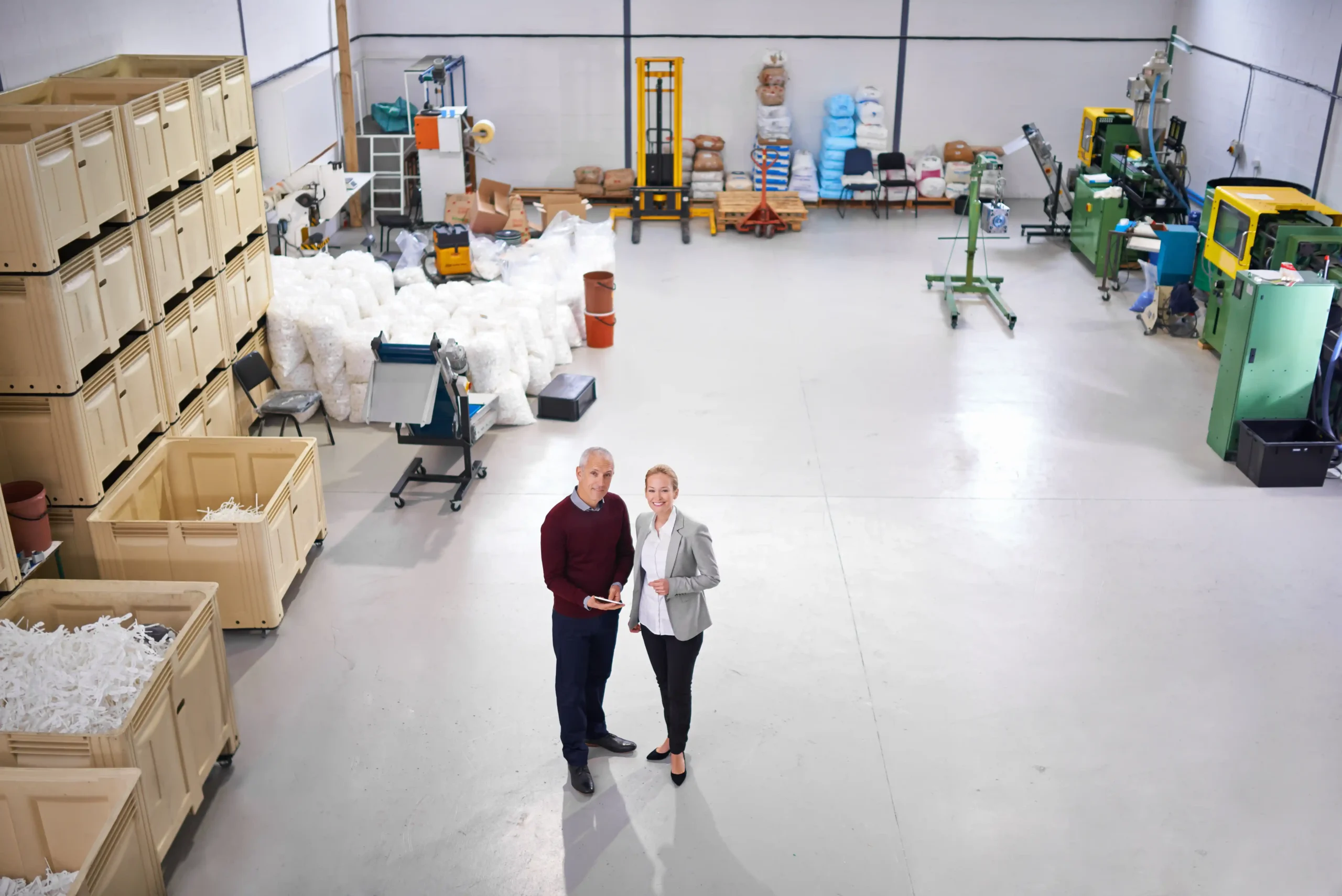
After decades working inside warehouses of every size, I can tell you that most problems don’t come from bad workers or outdated equipment. They come from layouts that fight against the people inside them.
A warehouse should guide movement the same way a road guides drivers, and every aisle and zone should have a purpose. When I visit a new facility, I can usually tell in seconds whether the layout was designed intentionally or if it grew out of day-to-day habits.
That difference alone affects accuracy, safety, and operating costs in dramatic ways. A strong warehouse storage layout is built with real data, not guesswork, which is why planning matters so much.
Every warehouse is built around a handful of essential zones, each with its own role in the workflow. Receiving needs clear flow for incoming shipments, storage needs racks organized by the logic of the business, and picking should offer fast access to the most frequently touched inventory.
Packing requires clean workstations so orders can be checked and prepared without confusion. Shipping needs staging lanes and docks that support outbound traffic without slowing down the rest of the operation.
Even supporting areas like offices and break rooms affect flow because they influence how people move through the building.
Warehouse Zone | Purpose | Requirements |
Receiving | Check in and inspect goods | Dock flow, staging space |
Storage | Hold inventory efficiently | Racks, slotting logic |
Picking | Retrieve items for orders | High access speed |
Packing | Prep for shipment | Tools, organization |
Shipping | Load outbound goods | Staging, dock control |
Many businesses underestimate how powerful layout really is. Labor is usually the biggest cost in a warehouse, and layout directly affects how many steps a worker takes in a day.
When travel distance is high, so is cost. When inventory is hard to find, accuracy drops.
When aisles are too narrow, safety suffers. As a 3PL and FTZ provider, we’ve seen companies double efficiency simply by reorganizing zones or adjusting rack configurations.
Improving your warehouse storage layout is one of the fastest ways to increase throughput without adding staff or expanding your footprint.
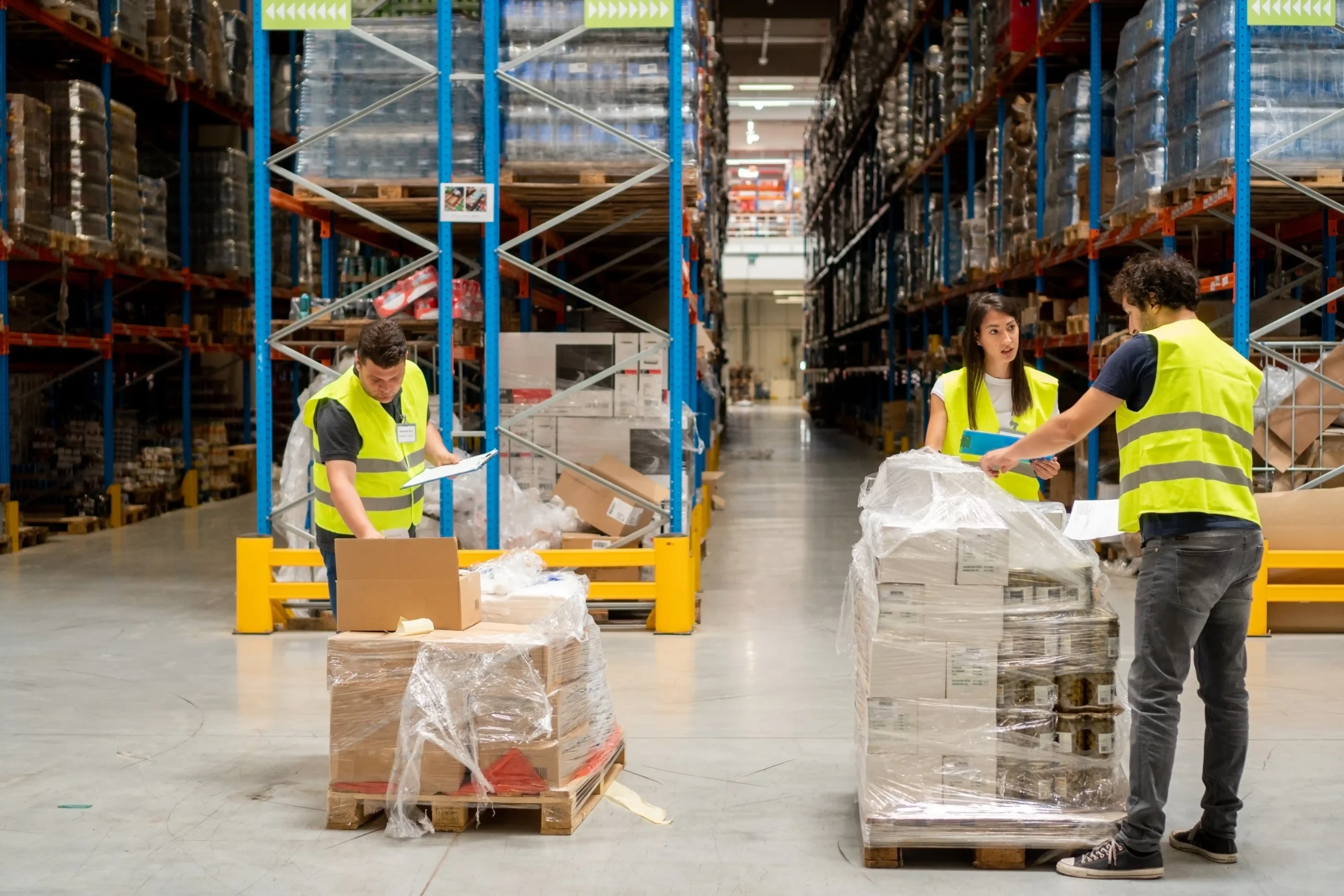
When we study a warehouse, we start by watching how people actually move inside it. If workers pause often, take long detours, or wait for space to clear, then the layout is to blame.
Travel-path mapping and time-in-motion studies reveal where the bottlenecks really exist. We also review SKU velocity, replenishment patterns, and order profiles to understand the warehouse’s true behavior.
Once you compare performance before and after changes, the impact becomes clear. A modern warehouse storage layout must evolve over time, because your business will never stay the same.
Zoning is one of the most underrated tools in warehouse design. Fast movers belong near picking and packing, while slow movers can sit farther back without affecting speed.
Hazardous materials need secure space, while temperature-controlled items need isolation. I’ve watched companies transform their fulfillment speed just by re-slotting their top 20 percent of SKUs.
Good zoning aligns your layout with the reality of your daily operations instead of old habits. When zones match workflow, workers travel less, make fewer mistakes, and move more confidently through the building. Read more here.
Picking the right racking or shelving is essential to maximizing space. Some operations thrive using selective pallet racks, while others benefit from carton flow, pick modules, or mezzanines.
Larger or fast-moving operations may require automated storage like AS/RS systems. The right choice depends on SKU dimensions, movement patterns, and order profiles.
Over the years, I’ve seen companies invest in expensive systems they never needed, simply because the layout wasn’t fully understood. A balanced warehouse storage layout blends cost, durability, accessibility, and flexibility so your warehouse can adapt as demand changes.
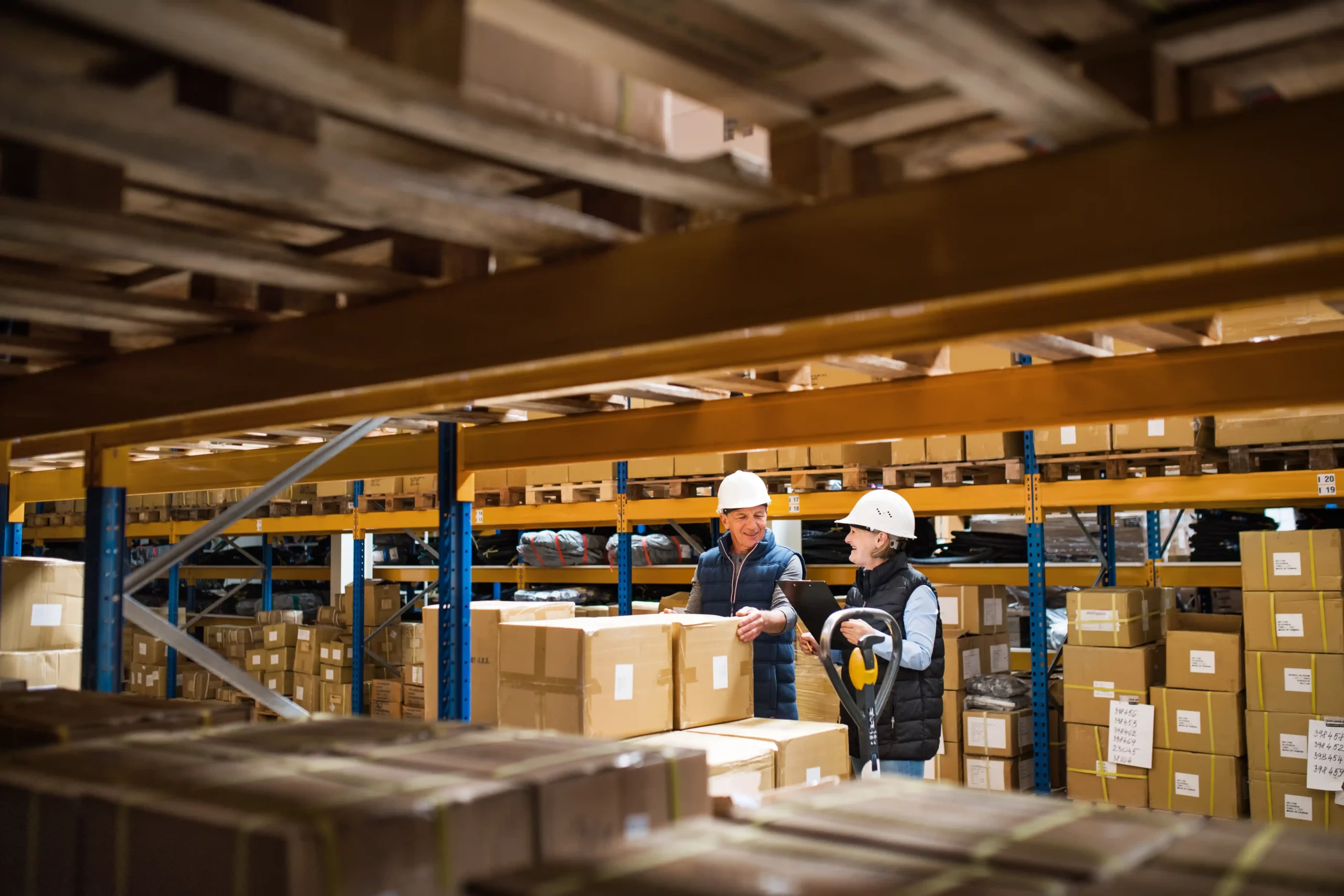
Technology strengthens a layout by reinforcing the logic that keeps the warehouse running smoothly. A WMS can direct workers through efficient pick paths, recommend slotting positions, and track inventory in real time.
Barcode scanners and RFID tools reduce human error and speed up order processing. AMRs can automate repetitive travel that slows teams down.
When digital tools match the warehouse’s physical design, the entire operation becomes smoother, faster, and more predictable. Technology doesn’t replace layout—it amplifies it. Read more here.
A warehouse must be built with tomorrow in mind, not just today. Seasonal spikes, new product lines, and changing customer expectations all put pressure on warehouse capacity.
Without flexibility, small changes become disruptive and costly. At Tri-Link FTZ, we design layouts that allow companies to scale without constant reinvention.
Expansion zones, modular racks, adjustable aisles, and smart slotting strategies allow the layout to grow with the operation. The more prepared your layout is, the easier it becomes to maintain consistency during rapid growth.
At some point, businesses outgrow their internal layout expertise. A 3PL brings experience, data, engineering support, and tested best practices from many different warehouse environments.
As an FTZ operator, we also help companies meet customs requirements and maintain strong inventory controls. When a business struggles with space, accuracy, or workflow, layout is usually the root cause.
Fixing it becomes a turning point for efficiency and profitability. A smart warehouse storage layout isn’t just a design—it’s an investment in stability and long-term growth.
A strong warehouse storage layout isn’t just a back-end improvement — it’s a long-term competitive advantage that touches every part of your business. When your space is organized with intention, your team works faster, safer, and with far fewer mistakes.
Over my 35 years in 3PL and FTZ operations, I’ve seen well-planned layouts turn struggling warehouses into high-performing engines of efficiency. The key is to design with clarity, operate with data, and adapt as your business grows.
When you treat your warehouse like a strategic asset instead of an afterthought, it becomes one of the most powerful tools you have for scaling confidently and profitably.
Share this article