When I talk about large warehouse storage, I’m referring to warehouse buildings that are specifically designed to handle high volumes of products, large SKU counts, or oversized materials in a safe and efficient way. These buildings are more than simple storage boxes.
They are engineered spaces that support inventory flow, protect product quality, and make daily operations easier for both small and large businesses. At Tri-Link FTZ, our 35 years of experience have taught us that the right warehouse setup has a huge impact on cost, performance, and long-term growth.
Large warehouse storage gives companies the room to scale without constantly reorganizing or scrambling for space. It also allows them to handle seasonal spikes, new product lines, or rapid expansion with confidence.
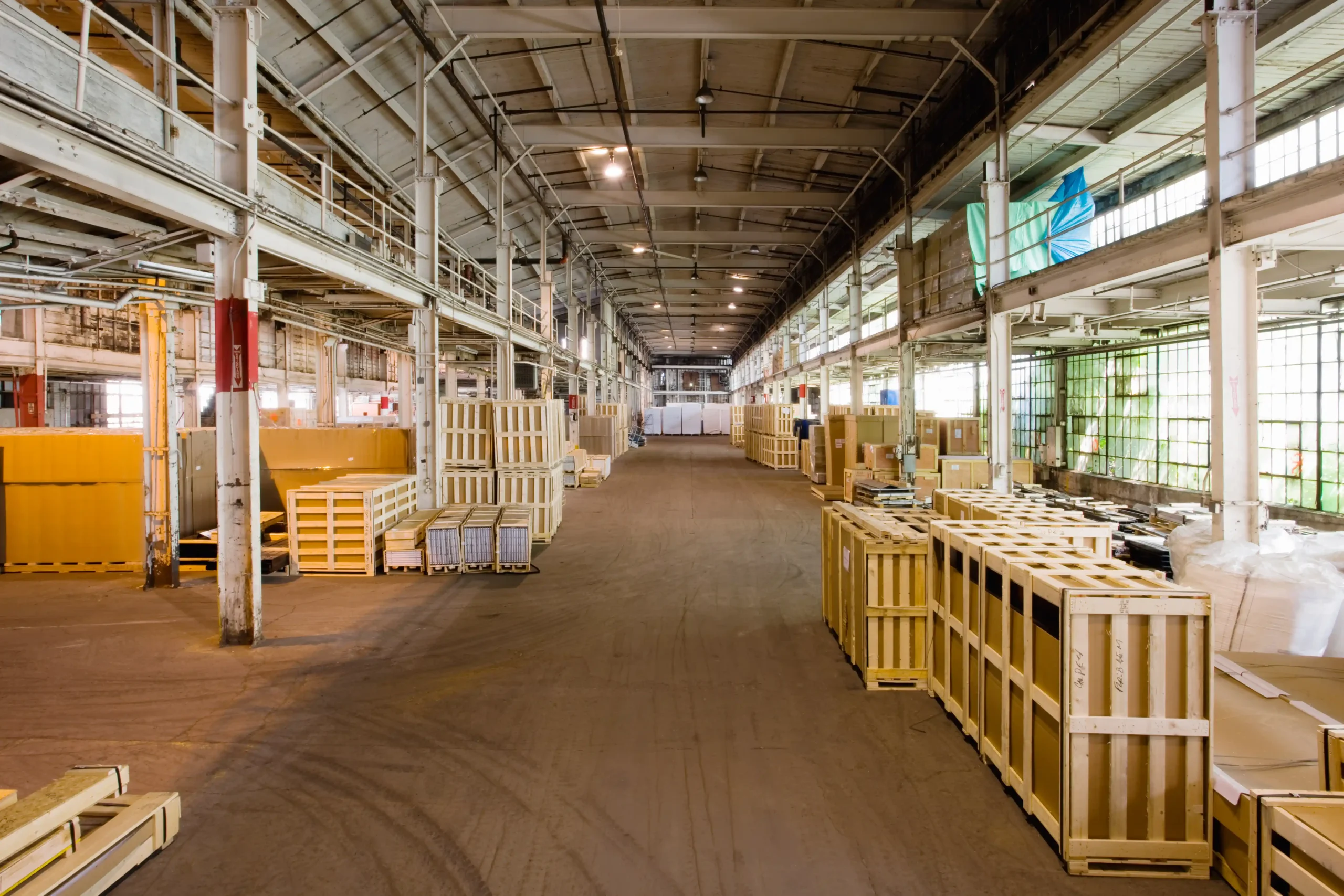
In my decades running a third-party logistics and Foreign Trade Zone facility, I’ve seen many companies underestimate what goes into designing or choosing the right warehouse building. One of the biggest problems is assuming any large warehouse storage space will work, when in reality each industry has unique needs.
A company storing electronics needs climate stability, while a manufacturer storing raw materials needs floor stacking zones or cantilever rack. Another common issue is wasted cubic space.
I’ve walked through warehouses where 40% of the vertical height was unused, costing the company thousands in avoidable rent. Many businesses also struggle with poor product flow, which slows down picking, receiving, and shipping.
These issues stack up over time and lead to higher labor costs and slower fulfillment. When companies come to us for help, they are often frustrated, overwhelmed, and looking for a clear strategy that lets them take control again.
Over the years, I’ve worked with every type of warehouse building imaginable, and the right choice depends on what you store and how you operate. A dry storage warehouse works well for palletized goods and general merchandise because it is simple and cost-effective.
Bulk storage buildings serve industries handling drums, IBCs, lumber, or oversized machinery, giving them open areas and reinforced floors. Climate-controlled and cold-storage warehouses are essential for food, pharmaceuticals, and beauty products where temperature stability is non-negotiable.
Bonded and FTZ warehouses, like ours, support importers dealing with duties, customs, and international supply chains. Hybrid structures are becoming increasingly popular because they combine pallet racking, mezzanines, and bulk areas in one flexible building.
When companies understand the strengths of each building type, they make smarter investments that support long-term operational needs.
When companies ask me how much warehouse space they really need, I never give a guess or a one-size-fits-all number. The truth is that proper capacity planning requires looking at pallet counts, inventory turnover, SKU profiles, and projected growth.
If your warehouse uses only floor stacking, you will outgrow it much faster than if you use selective rack or pallet flow systems. Understanding the difference between horizontal and vertical storage is also critical because clear height directly affects how many pallet positions you can achieve.
I’ve worked with businesses that thought they needed to expand, only to find they still had unused vertical space that could easily double their storage capacity. Good planning prevents overspending on rent and avoids the problems that come from cramped aisles and overloaded staging areas.
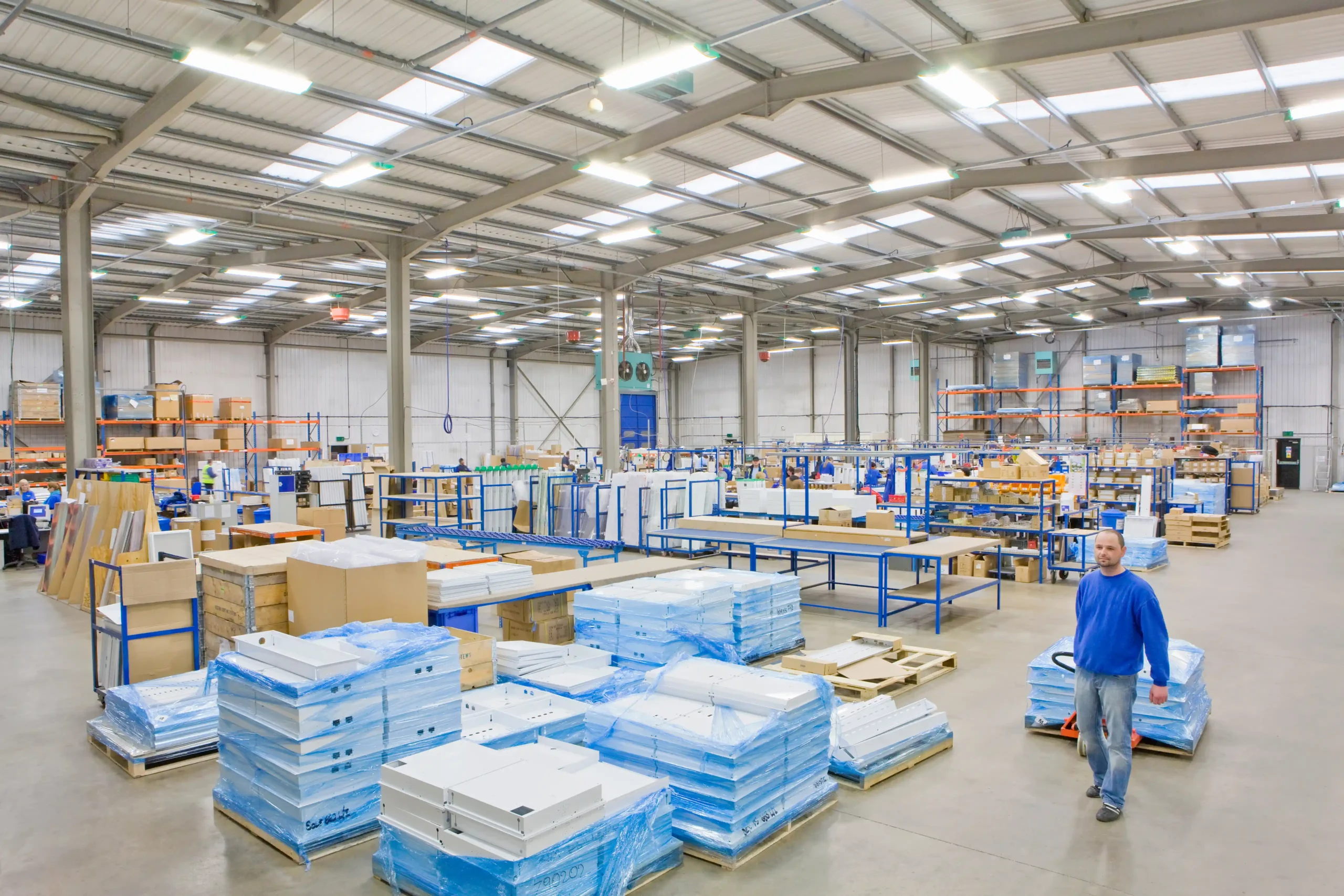
When designing a large warehouse storage building, the materials used and the construction format matter more than most people realize. Some companies choose pre-engineered metal buildings because they offer speed and affordability, while others prefer tilt-up concrete for durability and better temperature control.
The right choice depends on the weight of the stored goods, the type of equipment in use, and whether you plan to add automation in the future. Column spacing is especially important because tight spacing limits your racking options and reduces your ability to scale.
I’ve seen companies struggle because their building layout was beautiful from the outside but nearly impossible to operate efficiently inside. A strong warehouse must support forklifts, pallet jacks, conveyors, and whatever future systems may come, all while keeping workers safe and productive. Read more here.
The technology inside a large warehouse storage facility can completely transform how smoothly it operates. A modern Warehouse Management System keeps track of inventory locations, picking accuracy, and inbound and outbound workflows.
This technology becomes especially valuable once inventory levels rise and product categories expand. I’ve helped many companies upgrade from spreadsheets to automated systems, and the improvement in visibility and speed is immediate.
Beyond software, automation tools such as conveyors, autonomous mobile robots, and pick-to-light systems create faster, safer workflows. Even simple sensors and IoT tools can monitor temperature, track equipment usage, or notify teams when inventory reaches reorder levels.
As businesses grow, technology becomes the backbone of operational efficiency and scalability. Read more here.
One of the biggest questions companies face when thinking about large warehouse storage is whether they should build their own facility, lease an existing one, or outsource to a partner like Tri-Link FTZ. Building a warehouse offers long-term control, but the upfront cost is high and the process takes time.
Leasing gives flexibility, yet it may limit customization and long-term expansion. Outsourcing to a 3PL or FTZ is often the smartest option for fast-growing companies because it removes the burden of staffing, equipment, and compliance.
At Tri-Link, we support clients who prefer to stay lean and focus on their core business rather than their storage footprint. The right choice depends on your cash flow, your growth timeline, and the complexity of your inventory.
When companies think beyond square footage and consider operational demands, the best financial path becomes much clearer.
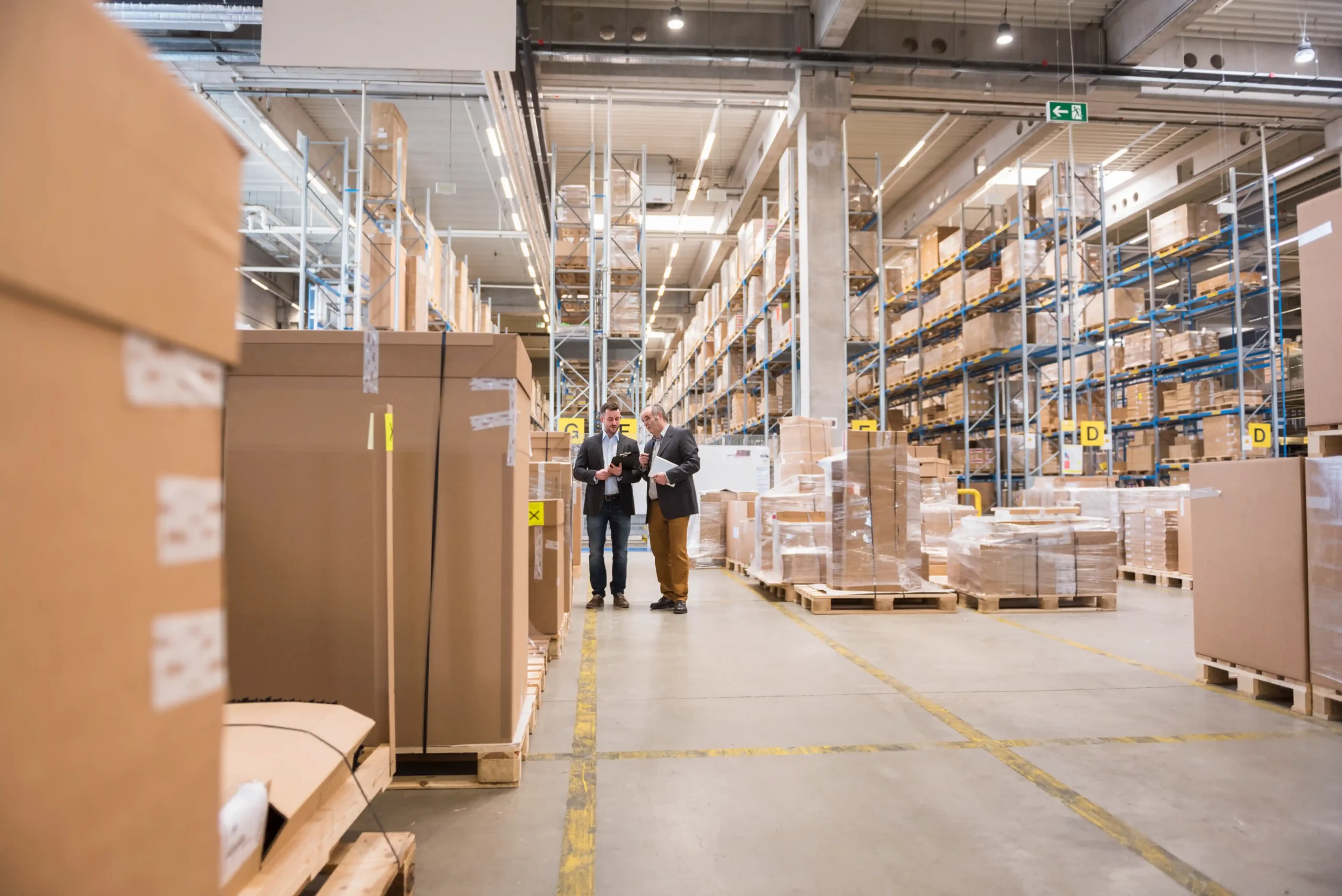
From my own experience working with companies of all sizes, smooth warehouse operations depend on consistent evaluation and strong daily habits. Measuring performance with clear metrics like order accuracy, receiving times, and inventory shrinkage helps you catch small issues before they grow into costly problems.
I have watched teams transform their workflows simply by reorganizing fast-moving items, updating their pick paths, and creating dedicated zones for returns or value-added services. When space is used intentionally, workers walk less, equipment lasts longer, and customers get their orders faster.
These small changes add up, especially in a large warehouse storage environment where every second and every dollar matters. Using the right combination of racking, bulk space, and mezzanines gives companies the flexibility to handle new product lines or sudden increases in demand without sacrificing organization.
Running a warehouse for as long as we have at Tri-Link FTZ teaches you to see patterns in how businesses grow and what challenges they often face. One recurring issue is underestimating how fast inventory levels can change when a product becomes popular or a new contract is signed.
I’ve seen companies double their volume nearly overnight, and without the right planning, they end up scrambling to find storage or rearrange their floor layout. Another lesson is that cheap space is not always good space.
A low-cost building with poor insulation, bad lighting, or awkward column spacing will cost far more in the long run. I always advise companies to think about worker comfort, forklift paths, and long-term expansion, not just the base rent.
Decisions made early in the planning phase often determine whether a warehouse becomes a competitive advantage or a constant obstacle.
As companies evaluate their warehouse strategies, they must remember that the building, layout, technology, and daily processes all work together. One element alone cannot create efficiency.
A strong warehouse must support high SKU counts, efficient labor, accurate inventory tracking, and the ability to scale when the market demands it. With our decades of experience, we often help businesses understand whether they should invest in a new facility, repurpose an existing one, or rely on a partner for storage.
The final decision should always reflect long-term goals rather than short-term pressure. When all parts of the system align, companies gain a warehouse that protects their inventory, supports their growth, and keeps operations flexible for the future.
This is why we continue to emphasize the value of large warehouse storage and the role it plays in building strong, resilient supply chains.
Share this article