When people hear me talk about small warehouse storage for rent, they often picture a simple storage unit, but it’s a very different kind of space. In my world, it refers to a commercial warehouse between 250 and 10,000 square feet, designed to support real business operations rather than just storing boxes.
These spaces usually include loading docks, higher ceilings, and enough room for receiving, packing, shipping, and even office work. After spending decades helping companies scale inside our Foreign Trade Zone facilities, I’ve learned that small warehouses give businesses a powerful middle ground between cramped self-storage and oversized industrial buildings.
They allow teams to stay organized, operate efficiently, and grow without taking on the heavy commitments of a massive long-term lease.
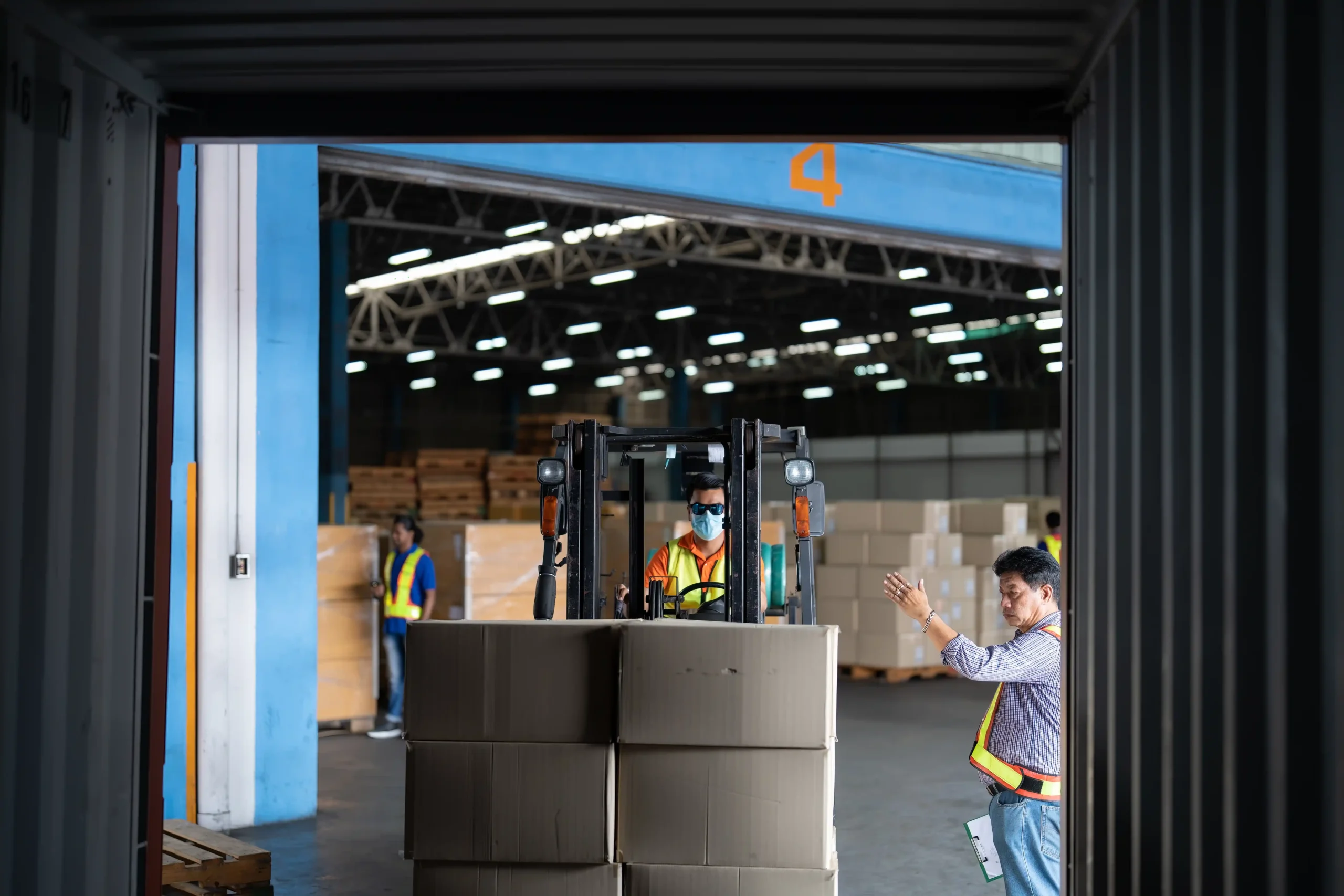
Over the last several years, I’ve watched demand explode for small warehouse storage because companies want flexibility without sacrificing professionalism or capability. Many of the entrepreneurs who walk through my doors start off working in their garage or a small office, but they eventually hit a wall where inventory piles up, workflow slows down, and growth becomes impossible.
A small warehouse becomes their first true operational hub, giving them a place to receive deliveries, store goods safely, and fulfill orders quickly. Larger companies also use small warehouse locations as micro-fulfillment centers, letting them shorten delivery times and reduce transportation costs.
These spaces have become essential tools for both scaling businesses and established brands looking to expand more intelligently.
In my experience, the companies that benefit most from small warehouse storage are the ones in that in-between stage where demand is growing but not yet big enough to justify a massive facility. E-commerce brands, especially those selling on Amazon or Shopify, often need space for inventory prep, kitting, and packaging long before they’re ready for a full distribution center.
Contractors and trade professionals also lean on these warehouses because they need secure storage for equipment, tools, and bulky materials that can’t be kept at home. Nonprofits, startups, and seasonal businesses choose these spaces because they offer low-risk entry and the chance to scale up or down as needed.
Even mature companies sometimes rent small warehouses to test new markets, set up local fulfillment hubs, or store overflow inventory.
Most of the clients I’ve helped over the years come to me after running into challenges that make their current setup unsustainable. Working from home eventually becomes overwhelming, especially when inventory takes over living areas or important items keep getting lost or damaged.
Self-storage units seem like a quick fix, but they’re rarely built for real operations since there’s no power, no docks, and no room to pack or stage shipments. Traditional warehouses are expensive and come with long-term commitments that can force a business into financial stress before they’re ready.
Many teams also struggle with disorganized workflows, inefficient picking, or safety hazards that slow down production and lead to costly mistakes. A small warehouse gives them a clean, organized, and purpose-built environment where they can finally create a system that supports consistent, sustainable growth.

Because I’ve worked across warehouse types for decades, I often walk people through the differences so they know what they’re actually paying for. Self-storage is the cheapest option, but it’s meant for personal storage, not business operations, and lacks essentials like loading equipment and workspace.
Traditional warehouses have everything a business could want, but they come with multi-year leases, high upfront costs, and a size that can be overwhelming or unnecessary for newer companies. Small warehouse storage for rent bridges the gap by offering commercial features without commercial-scale costs or commitments.
You get operational control, proper security, and the flexibility to expand as your business grows. This “just-right” fit is why small warehouses have become the preferred stepping-stone for companies ready to operate efficiently without overextending themselves.
Before anyone rents their first warehouse, I always tell them the most important step is understanding what they truly need. Many business owners underestimate or overestimate the amount of space required, which can lead to inefficiency or overspending right from the start.
I recommend mapping out your full workflow—from receiving shipments to packing orders—to visualize how much room each stage requires. This will also help you determine whether you need designated office space, staging areas, or specific equipment accommodations.
As someone who has helped countless companies transition into small warehouse environments, I’ve seen how clear planning prevents future bottlenecks. When you define your needs early, you choose a space that supports your growth rather than limiting it.
One of the most common questions I hear is, “How big should my warehouse be?” The answer depends on both your current inventory volume and your growth expectations over the next year. I usually help clients calculate space by measuring the cubic volume of their goods and comparing it to the usable cubic footage of the warehouse, making sure to account for aisle space and movement paths.
Using vertical height effectively can double or triple your storage capacity without increasing your square footage. I’ve seen businesses with only 1,000 square feet operate like they have twice that amount simply because they invested in the right shelving and layout.
Planning for expansion is equally important, especially if you’re moving into small warehouse storage for rent that you expect to outgrow quickly.

When choosing warehouse space, location is usually the biggest factor influencing long-term efficiency and transportation costs. Over the years at Tri-Link FTZ, I’ve noticed that businesses located near major highways, ports, or carrier hubs tend to fulfill orders faster and spend less on inbound and outbound shipping.
It’s also critical to consider truck access, including turning space, parking availability, and whether the facility can accommodate larger vehicles. Another thing I stress to clients is zoning—some areas restrict certain business activities, and finding out after signing a lease can be a costly mistake.
The right location improves delivery times, reduces backlogs, and ultimately strengthens customer satisfaction. A warehouse can be beautiful and affordable, but if it’s in the wrong place, it will always create operational strain. Read more here.
Not all warehouse features are created equal, and after three decades in logistics, I’ve learned exactly which ones have the biggest impact on operations. Loading docks and drive-in doors are essential for receiving goods efficiently, especially if you’re handling pallets or heavy materials.
High ceilings allow for taller racking systems, which can drastically increase storage capacity without increasing rent. Many clients also need reliable Wi-Fi, office space, or climate control, depending on the products they store.
Another important amenity is security—24/7 surveillance, gated access, and alarm systems protect your business from both internal and external risks. When evaluating options for small warehouse storage for rent, these amenities often make the difference between a space you outgrow quickly and one that supports your long-term goals.
In my career, I’ve seen how warehouse safety directly affects both productivity and employee well-being. Proper lighting, clear aisles, and strong safety procedures help prevent injuries and protect inventory from damage.
Modern warehouses should have fire suppression systems, emergency exits, and compliance with OSHA standards, especially if employees are handling heavy equipment. I also recommend reviewing how the facility manages access control and whether security cameras are actively monitored.
For businesses storing valuable goods or hazardous materials, additional insurance and reporting protocols may be necessary. A warehouse that follows strict safety and security standards not only keeps your team protected but also shields your operations from costly interruptions and liabilities. Read more here.
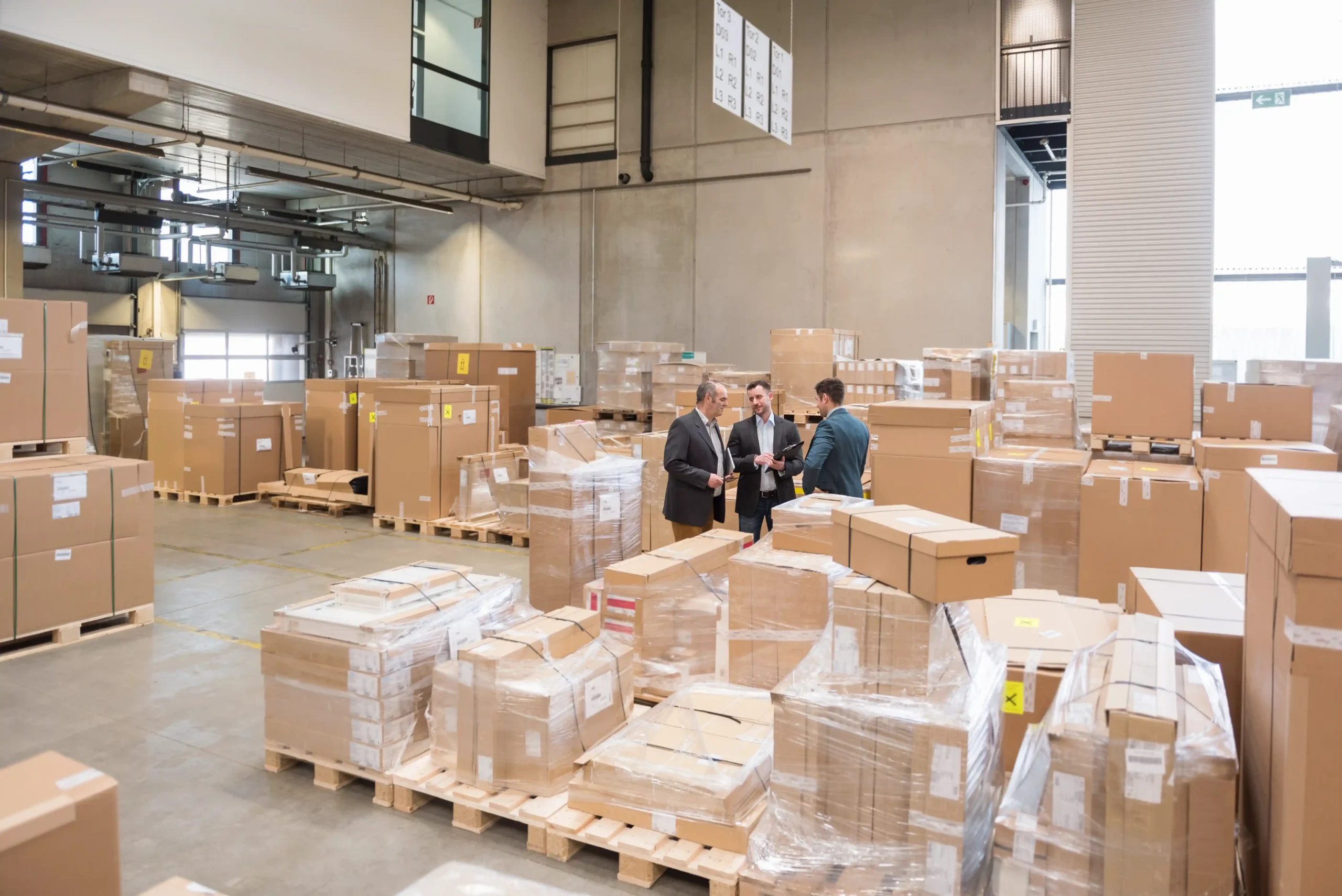
One of the most important parts of choosing a warehouse is understanding the total cost of occupancy, not just the monthly rent. I’ve seen leases that seem affordable at first but include hidden expenses such as maintenance fees, utilities, and insurance requirements that add up quickly.
In all-inclusive warehouse models, these costs are bundled, which makes budgeting more predictable for small businesses. The main factors that influence price include location, size, ceiling height, build-out, and included amenities like loading docks or climate control.
When comparing different options, I advise clients to calculate their cost per square foot and per order processed to get a true sense of affordability. These metrics ensure they choose small warehouse storage for rent that supports their financial goals rather than straining them.
People often ask whether they can legally operate a business inside a small warehouse, and the answer is usually yes with proper zoning and compliance. Many also want to know how long leases should last, and I recommend shorter terms until your workflow stabilizes.
Insurance questions are common, especially around inventory protection and liability. Some businesses wonder how long it takes to move in, and depending on readiness, it can be as fast as a few days.
Others ask whether a warehouse can scale with them, and with the right provider, the answer is absolutely.
Choosing the right warehouse is one of the most important decisions a growing business can make. After 35 years in logistics, I’ve learned that success comes from understanding your needs, evaluating options carefully, and choosing spaces built for efficiency and flexibility.
With the insights in this guide, you can confidently navigate the world of small warehouse storage for rent and find a home for your operations that supports growth, speed, and long-term stability.
Share this article