Commercial storage insurance is a specialized policy that protects a business’s inventory, equipment, and materials while stored inside a commercial warehouse, self-storage facility, or third-party logistics center. This type of coverage goes far beyond a basic property policy because it accounts for risks unique to storage environments—risks I’ve seen firsthand throughout my decades running Tri-Link FTZ.
Whether you’re storing imported goods waiting for duty payment, e-commerce inventory waiting to ship, or large equipment that you don’t have space for onsite, this insurance fills the gaps that normal business insurance leaves behind. Most general liability policies don’t cover customer goods, rented units, or off-site inventory, so having dedicated protection becomes essential.
When a storm hits, a sprinkler line bursts, or a theft occurs, commercial storage insurance is often the only thing standing between your business and a major financial loss.
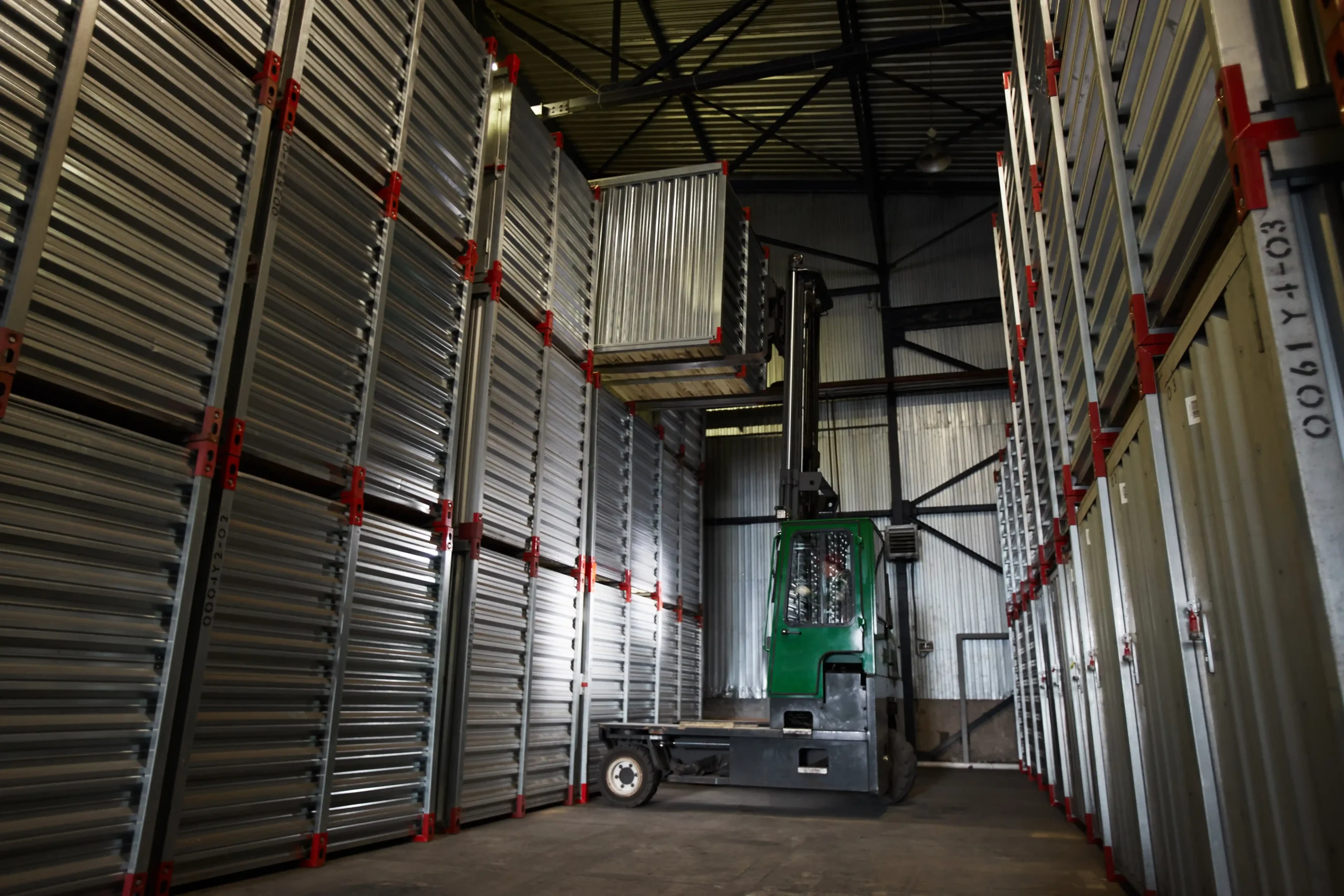
In the world of logistics, the biggest surprise for new businesses is how many things can go wrong inside a warehouse or storage unit. After 35 years in 3PL and FTZ operations, I’ve walked through hundreds of facilities and seen risks most business owners never think about.
Fire remains the number one cause of catastrophic warehouse loss, especially when a single event can wipe out thousands of units. Water damage is a close second, and it doesn’t take a flood—something as simple as a burst pipe or sprinkler malfunction can destroy electronics, apparel, or packaging in minutes.
Theft and vandalism can occur even in secured facilities, especially if access control isn’t tightly monitored. On top of that, there are unexpected risks like mold, structural collapse, or equipment malfunctions that damage inventory before anyone notices.
Without commercial storage insurance, these scenarios shift entirely onto the business storing the goods, not the facility itself, which surprises many new clients we speak with at Tri-Link FTZ. Read more here.
Based on everything I’ve managed as a 3PL operator, the coverage included in commercial storage insurance usually focuses on protecting value at every stage of storage. Most policies cover inventory, equipment, racking, packaging materials, and business property stored inside a warehouse or facility.
The coverage usually includes protection against fire, theft, storm damage, water damage, vandalism, and sometimes mechanical breakdown if it impacts stored goods. Many policies also include liability coverage if the operator is legally responsible for damage to customer goods.
What really makes this insurance unique is the ability to add specific endorsements—something I always recommend when reviewing a client’s risk profile. These can include transit coverage, inventory spoilage, temperature-sensitive coverage, and limited pollutant cleanup, depending on what’s stored.
Over the years, we’ve helped many businesses customize their policies to match their operation, and that alone can prevent claim denials later on.
The biggest mistake I see is companies assuming the “basic” version of commercial storage insurance is enough. In reality, the specialized add-ons are where most businesses find the coverage they didn’t know they needed. Customer Goods Legal Liability, for example, is essential for warehouse operators and any business acting as a bailee for clients.
Wrongful Sale Liability is another overlooked add-on, especially for self-storage facilities that deal with delinquent accounts. Limited pollutant cleanup can be critical if something leaks, spills, or releases fumes—situations where cleanup costs are often higher than the value of the goods themselves.
Cyber liability is becoming more important, too, because storage facilities rely on digital systems for gate access, billing, and customer data. Even transit coverage can be vital when goods move regularly between locations.
Every one of these endorsements exists because a real situation caused real losses, and I’ve seen several firsthand through our FTZ clients.
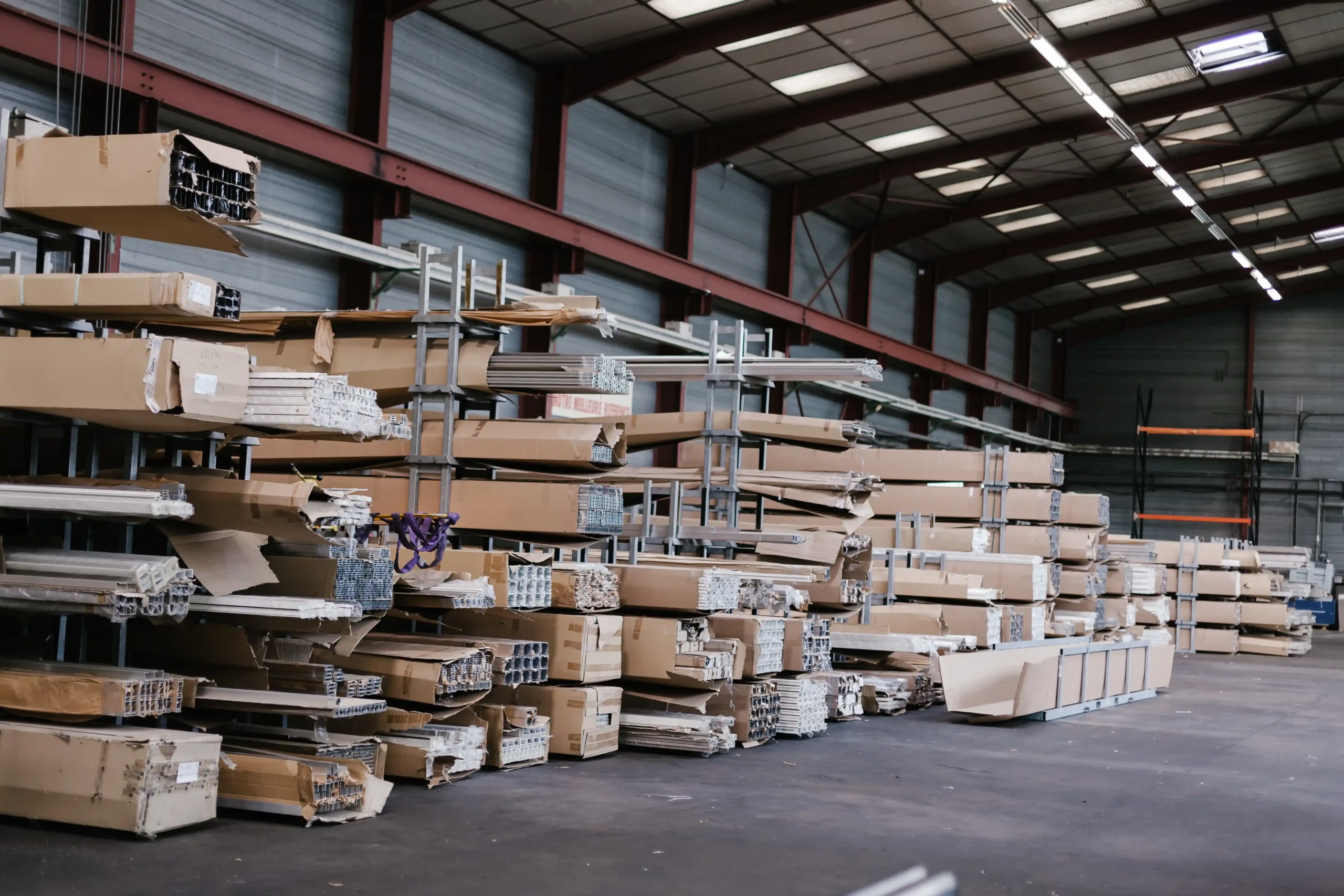
One of the most common questions I get from new clients is whether the warehouse’s policy covers their inventory. After decades managing storage operations, I can confidently say that the answer is usually no.
A warehouse or 3PL operator typically carries a policy that protects the building, their own equipment, and their legal liability, but not the full value of a tenant’s goods. That means if a fire damages your stored inventory, the warehouse’s policy might only cover a small portion of the loss—sometimes as little as 60 cents per pound under old liability models.
This is why commercial storage insurance becomes essential for businesses storing goods offsite. It ensures your inventory is protected for its actual value rather than its weight or depreciated amount.
On the operator side, having specialized policies like Customer Goods Legal Liability ensures protection if a client makes a claim, which protects the business relationship and the facility’s financial stability.
No matter how strong your insurance policy is, there are always exclusions that business owners must pay attention to. Over the years, I’ve seen clients assume they’re covered for accidental damage, only to discover that their policy excludes it unless they specifically added the endorsement.
Many policies will not cover goods stored in wooden crates, open-air lots, or makeshift storage areas, which is common for businesses trying to cut costs. Some policies exclude hazardous materials, flammable items, or temperature-sensitive goods if the facility lacks proper climate control.
It’s also common for policies to exclude losses caused by negligence, improper packing, or infestations like pests or mold. These gaps are exactly why I encourage our clients to review every detail of a policy line by line.
Understanding what isn’t covered can be just as important as knowing what is included, and it ensures commercial storage insurance is aligned with real-world risks inside the facility.
From my experience, the cost of commercial storage insurance varies widely based on several factors that insurance companies closely evaluate. The total value of stored goods is usually the biggest driver, but insurers also look at the building’s construction type, age, location, and the quality of its fire and security systems.
Facilities located in high-risk weather zones or older buildings may see higher premiums because the likelihood of loss increases. The type of goods stored also affects pricing; electronics, chemicals, paper goods, and textiles all have different levels of risk.
Beyond that, your claims history plays a major role, especially when insurers look at long-term loss ratios. A facility with no losses over five years typically receives far better pricing than one with several water damage or theft claims.
One thing I always tell clients is that improving security measures—like adding CCTV, fire alarms, and restricted-access controls—can lower premiums significantly and bring added confidence to their operations. Read more here.
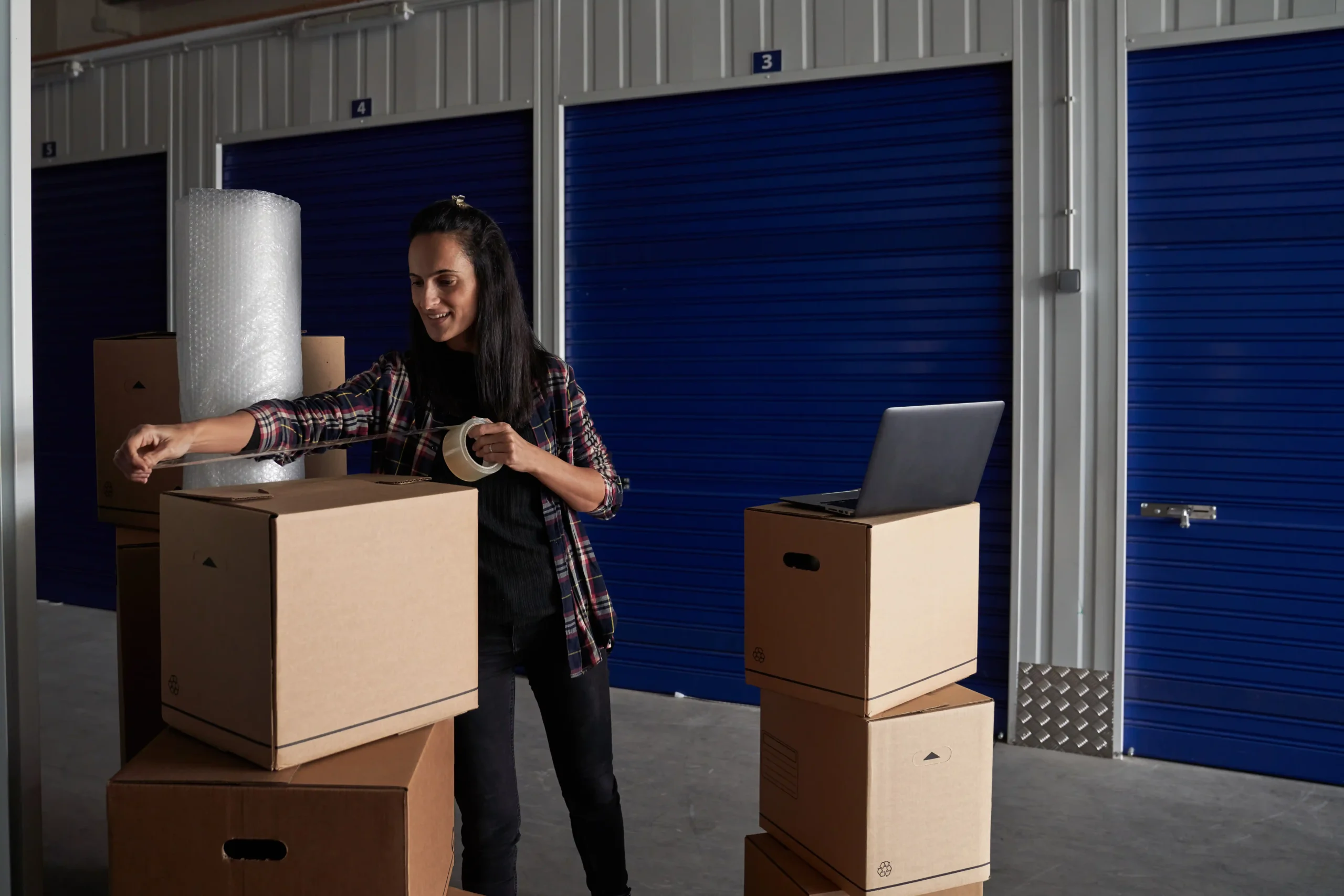
When renting warehouse space or operating within a foreign trade zone, there are legal and contractual requirements that often mandate coverage. Many storage facilities require tenants to carry a minimum amount of insurance before signing the rental agreement.
I’ve seen this firsthand across dozens of Tri-Link FTZ customers, especially when dealing with high-value or imported goods. Landlords and warehouse operators often require themselves to be listed as additional insureds, which helps protect their interests in the event of a loss.
These contract terms are not optional; failing to comply can void parts of the agreement or limit your claim rights. In addition, insurance providers typically request documentation such as inventory values, facility security details, and historical claims data to remain compliant and eligible for full coverage.
Understanding these requirements before you store anything can prevent disputes, delays, and unexpected expenses later, making commercial storage insurance a critical part of your risk management strategy.
In third-party logistics, every detail of a storage contract determines who is responsible when something goes wrong. Warehouse receipts and 3PL service agreements usually limit the operator’s liability to a very small amount unless negligence is proven.
This is why relying solely on the warehouse’s coverage can leave a business exposed to major financial loss. Commercial storage insurance bridges this gap by covering the full value of stored goods, regardless of the warehouse’s liability limit.
In my 35 years working with domestic and international clients, I’ve seen countless situations where a company assumed the warehouse was responsible for everything, only to learn that the contract said otherwise. The best practice is to pair a strong storage contract with your own comprehensive insurance policy.
This combination gives you full control over your protection and ensures that both parties—client and operator—understand their responsibilities clearly and transparently.
As a 3PL and FTZ operator, I’ve learned that the businesses that weather storms best are the ones that take storage risk seriously long before anything goes wrong. Protecting inventory, equipment, and customer goods in a warehouse or unit is not just a box to check for a landlord, but a core part of a company’s financial stability.
The right insurance, paired with clear contracts and disciplined operations, turns a vulnerable part of your supply chain into one you can rely on with confidence. When you understand what is covered, what is excluded, and how claims really work, you can make smarter choices about where and how you store your assets.
In the end, this coverage is less about fear of disaster and more about creating the freedom to grow, expand, and serve your customers without constantly worrying about what might happen behind the warehouse doors.
Share this article