When I talk about small warehouse ideas, I’m referring to practical, affordable strategies that help you get more storage, faster workflows, and higher accuracy from a limited footprint. These ideas aren’t theoretical.
They come from decades of real work inside third-party logistics environments, where space is tight and speed matters. A small warehouse becomes efficient not because it’s big, but because it’s designed with intention, data, and repeatable processes.
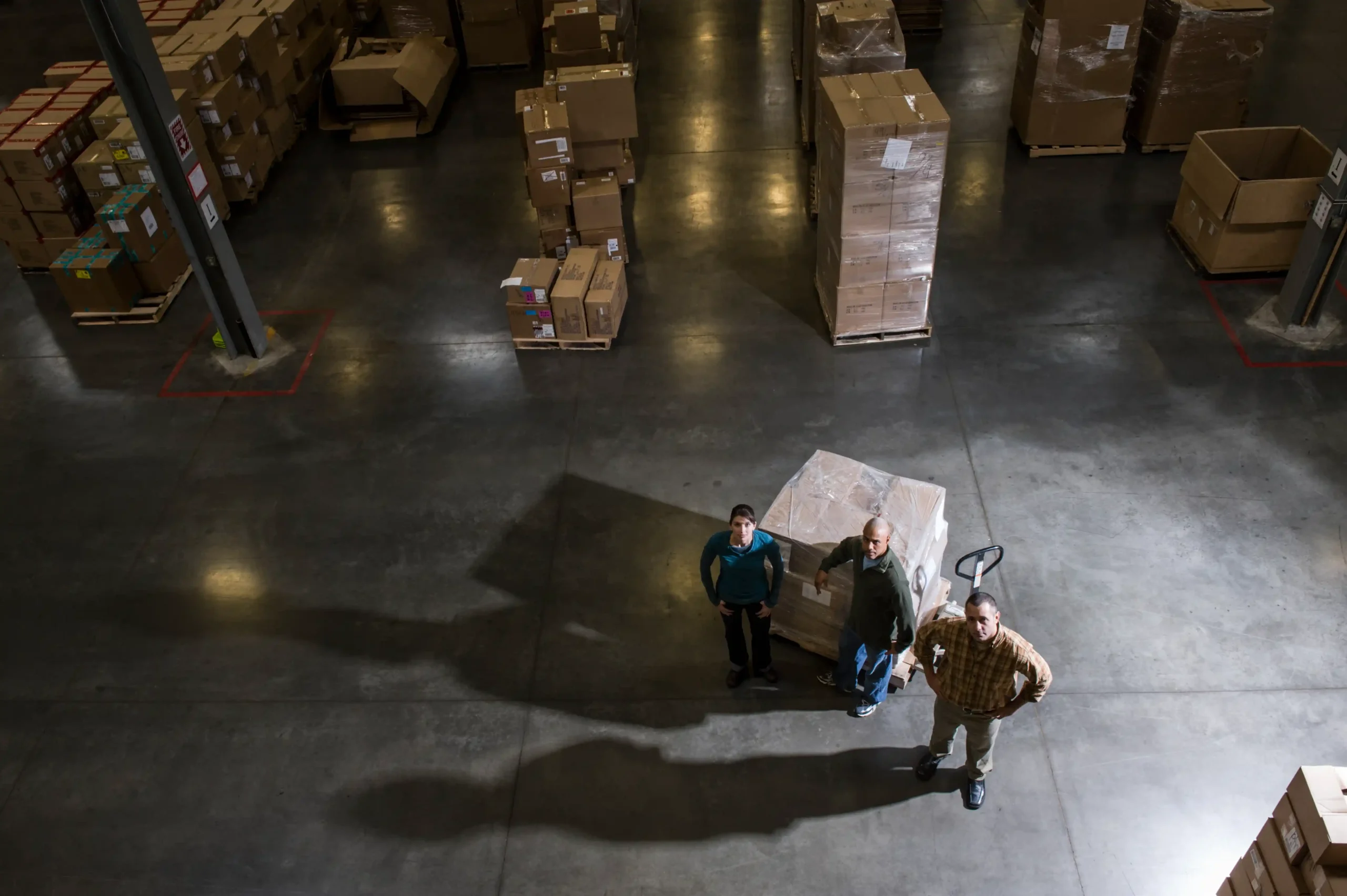
For more than 35 years at Tri-Link FTZ, I’ve walked through hundreds of small warehouses ranging from 5,000 to 50,000 square feet. What I’ve learned is that size is almost never the true problem.
The real issue is how the space is designed and maintained. When a warehouse feels cramped, cluttered, or chaotic, it’s usually because the flow is broken.
I’ve seen facilities double their efficiency without adding a single square foot—just by rethinking how products move from receiving to shipping. The most common challenge I find in small warehouses is a lack of a clear process map.
Without a defined path, employees backtrack, cross lanes, and waste time looking for items. In a small footprint, a few wasted steps per pick quickly becomes hours of lost productivity every day.
Small warehouses also struggle with misplaced inventory, low visibility, and old shelving that no longer matches their SKU profile. Even worse, clutter tends to build up because every inch feels “too important to give up.”
What operators don’t realize is that clutter is the enemy of speed, accuracy, and morale. Once a warehouse is disorganized, fulfillment slows down, safety risks go up, and customer satisfaction suffers.
These problems compound daily until they create a true bottleneck. When I redesign small facilities, the first thing I look at is the layout.
A great small warehouse layout maps the exact flow of goods from receiving to storage, picking, packing, and shipping. I always sketch a straight-line flow on paper—no crisscrossing, no backtracking.
You should be able to trace the movement of your inventory like following a river downhill. Straight paths reduce wasted motion and make the space feel bigger. Read more here.

A well-planned layout also organizes zones more clearly, like receiving, staging, fast-pick, slow-pick, and returns. Once you’ve set these zones, the next step is reducing congestion.
Aisles should be just wide enough for safe equipment operation but not so wide that they waste valuable space. After layout comes storage optimization. In small warehouses, vertical space is your best friend.
Most facilities store items on racks that are too low or shelves spaced too far apart.
When you adjust your rack levels to match the height of your inventory, you eliminate the air you’ve been paying to store. I often encourage clients to add mezzanines or over-door shelving.
These changes alone can expand storage capacity dramatically. Another rule I rely on is right-sizing your bins and shelving.
If your bins are too big, you waste space. If they’re too small, your team wastes time.
Every storage medium should match the size and velocity of the SKU. Read more here.
Once your inventory is slotted correctly, labeling becomes essential. I’ve seen small warehouses transform overnight simply by improving their labeling system.
Labels should be large, clear, and consistent across every rack, shelf, and bin. You’d be surprised how much time is wasted because someone can’t read a faded sticker, or because two labels use slightly different naming formats.
I also recommend adding overhead signs to identify zones and aisle numbers. When new employees or temp workers come in, signage saves hours of training time.
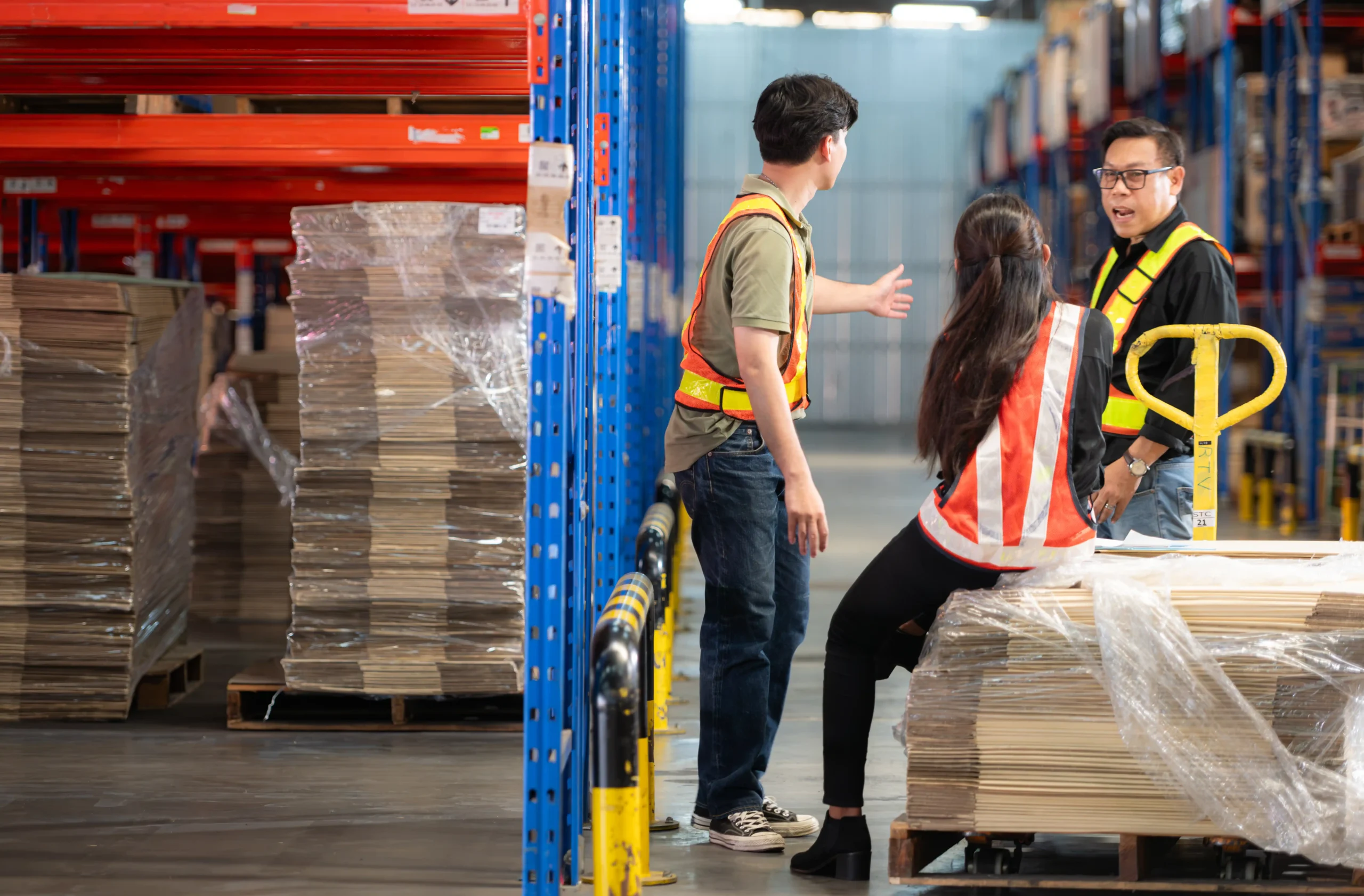
Maps at the entrance of the warehouse also help people understand the flow before they step onto the floor, which reduces mistakes immediately. Another critical part of maintaining an organized warehouse is controlling clutter.
I’ve never walked into a small warehouse that didn’t struggle with “inventory creep.” Over time, items end up in the wrong place, tools get left out, and returns pile up near receiving.
My rule is simple: at the end of every shift, everything goes back to its home. It sounds basic, but it has a massive impact.
Technology is the next step, and it doesn’t have to be expensive. Many small warehouses think automation is out of reach, but basic technology delivers most of the value.
Barcodes and scanners, for example, reduce human error and increase picking and receiving accuracy immediately. Even if you start with simple software or a lightweight WMS, you gain visibility into SKU movements and slotting performance.
Over time, this data helps you refine your layout and storage design. I’ve had clients start with basic scanning tools and later add voice picking or pick-to-light systems as their volume increased.
The key is to build a strong foundation and grow your technology gradually. Small warehouse ideas don’t require a massive investment to work—they require consistent improvement and clear processes.
Receiving can easily become a bottleneck if boxes stack up near the entrance. To avoid this, your receiving area should have a clear inspection process, immediate put-away routines, and a designated returns zone.
Keeping returns separate from active inventory prevents lost items and confusion during cycle counts.

For packing, I recommend standardized workstations stocked with the same supplies so every packer works the same way. This reduces decision-making, speeds up order processing, and cuts down on training time.
I’ve also found that adding a well-marked outbound staging area keeps orders organized. Safety is another area where small warehouses need to be intentional.
Because space is tight, forklifts, pallet jacks, and foot traffic often share the same lanes. Clear floor markings, color-coded zones, and strong lighting make a huge difference.
With the right strategy, any facility can operate at a world-class level, and that’s the real power of small warehouse ideas.
After more than three decades working inside fast-paced logistics environments, I’ve learned that the most effective improvements rarely come from expanding your building—they come from rethinking how you use the space you already have. Small warehouses don’t need massive budgets or complex automation to operate at a high level.
They need clear systems, disciplined organization, smart layouts, and consistent processes that everyone follows. When you take the time to plan your flow, optimize storage, maintain clean workspaces, and use the right tools, your warehouse becomes faster, safer, and easier for your team to manage.
The small warehouse ideas in this guide are the same principles we use every day at Tri-Link FTZ to help businesses grow without unnecessary costs or disruptions. With steady improvements and a commitment to operational excellence, any small warehouse can perform like a much larger one.
Share this article