A logistics and forwarding company helps businesses move goods from one place to another—locally or globally—by coordinating shipments across air, sea, road, or rail. Think of us as the bridge between manufacturers and markets.
We don’t just move boxes; we manage the details behind the scenes: customs documents, carrier negotiations, warehouse storage, and real-time tracking. At Tri-Link FTZ, this is what we’ve done for over 35 years—handling all the moving parts so our clients can stay focused on their operations.
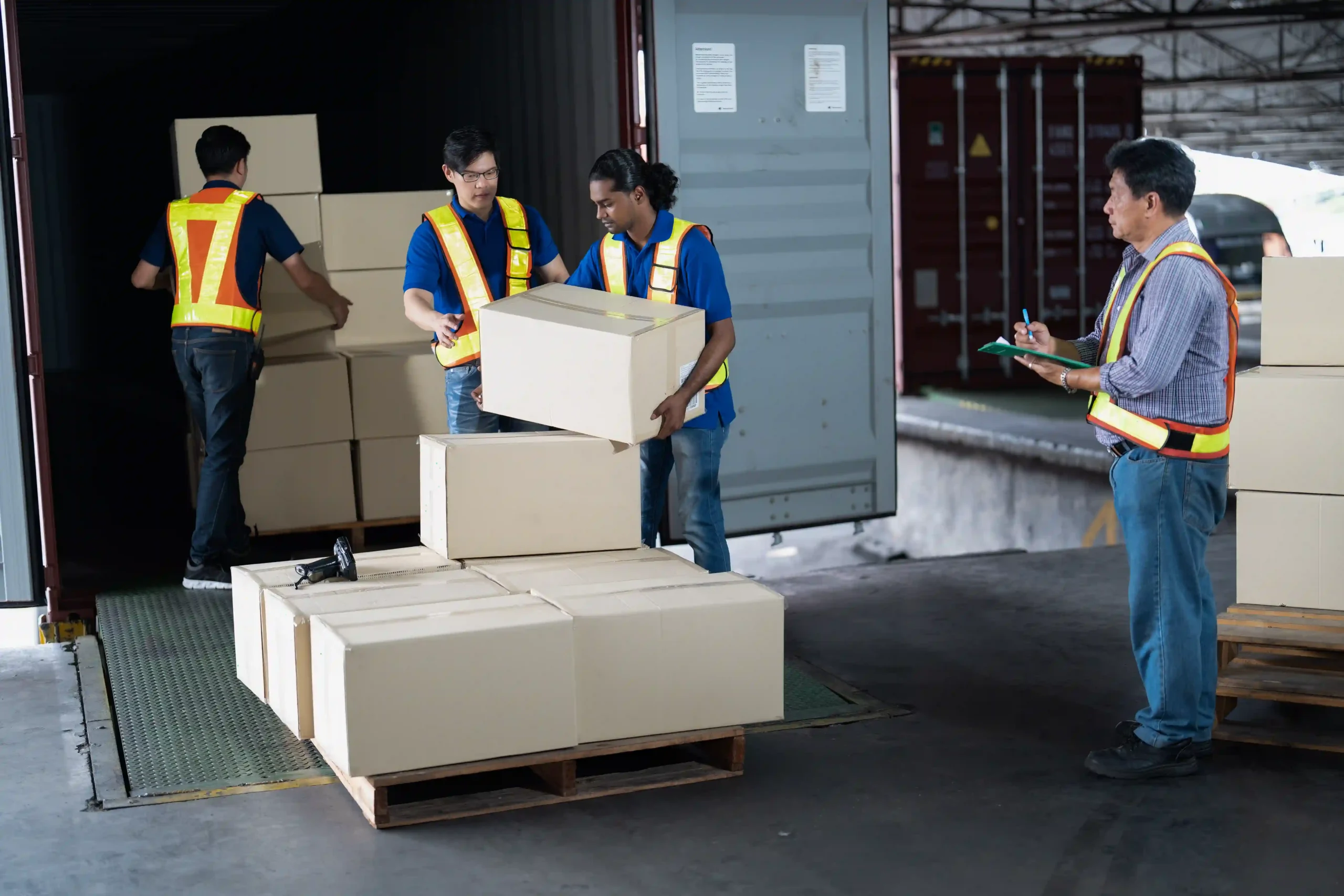
When business owners come to us for the first time, they’re often juggling a million supply chain headaches. Some may confuse logistics providers with basic courier services, but there’s a massive difference.
While parcel carriers might get your product from Point A to Point B, a logistics and forwarding company ensures that it gets there efficiently, legally, and affordably—even across borders. We don’t just ship—we strategize.
We evaluate the fastest or most cost-effective routes, offer storage inside our Foreign Trade Zone, and handle all regulatory hurdles. That’s something you won’t get from your average shipping app or carrier.
Over the years, we’ve learned that one-size-fits-all never works in logistics. Each client has unique needs, which is why we offer a flexible menu of services.
Our air freight services are perfect for high-priority deliveries, giving you speed without sacrificing safety. If you’re shipping large volumes, our ocean freight offerings include both FCL and LCL, depending on your cargo size and schedule.
For businesses with mixed transportation needs, we offer multimodal solutions, combining air, sea, and land for ultimate flexibility. Beyond transportation, we also provide customs clearance services, ensuring shipments move through ports smoothly.
And of course, our contract logistics team supports with warehousing, inventory control, and distribution directly from our FTZ zones. With digital solutions layered on top, we ensure every move is trackable, compliant, and optimized for cost.
From small eCommerce shops to multinational corporations, I’ve seen firsthand how a reliable logistics and forwarding company becomes a game-changer. When you’re dealing with overseas suppliers, strict delivery windows, or temperature-sensitive goods, you need more than just a shipping label—you need a team of experts.
At Tri-Link FTZ, we’ve helped growing brands scale into new markets by offering the infrastructure they lack in-house. Whether it’s handling customs complexities or reducing their landed costs by using our Foreign Trade Zone, our clients know they can trust us to deliver not just packages, but peace of mind.
And for those worried about budget, the truth is that a strong logistics partner often reduces overall costs by preventing delays, damages, and inefficiencies. Read more here.

Making the right choice isn’t about picking the cheapest option—it’s about choosing a company that understands your business. I always advise clients to start by asking about industry experience.
Have they handled freight like yours before? For example, perishables require different handling than electronics.
Then, look at network reach. Can they ship where you need to go, and do they have trusted partners along the way?
Next, evaluate technology. A strong logistics and forwarding company will offer digital dashboards, live tracking, and automated reporting.
You should also consider customer service. Are they responsive?
Do they assign you a dedicated manager? Lastly, make sure they’re scalable.
Your partner should be able to grow with you, not limit your expansion.
Unfortunately, we’ve had many clients come to us after bad experiences elsewhere. One had their goods held at port for weeks due to incomplete customs paperwork.
Another had no idea where their shipment was for five days—no tracking, no updates, just stress. These kinds of breakdowns cost money, time, and reputation.
A poor logistics and forwarding company might overpromise and underdeliver, leaving you to clean up the mess. That’s why at Tri-Link FTZ, we put transparency at the center of our operations.
Every shipment we touch is traceable, every quote detailed, and every mistake (when they do rarely happen) met with swift resolution. In logistics, trust isn’t optional—it’s everything.
What many don’t realize is that the savings from a good logistics partner go far beyond shipping rates. For example, we help clients consolidate freight, which cuts per-unit costs.
We also optimize routing through our network to avoid congested ports or routes prone to delays. With our customs knowledge, we reduce or eliminate costly fines.
Inside our FTZ facility, businesses can defer or even eliminate certain duties, helping them stay competitive. One of our clients saved over $50,000 last year by restructuring their shipping schedule with our help.
And on top of it all, we reduce the internal labor hours your team spends managing logistics—freeing them up for more valuable work.
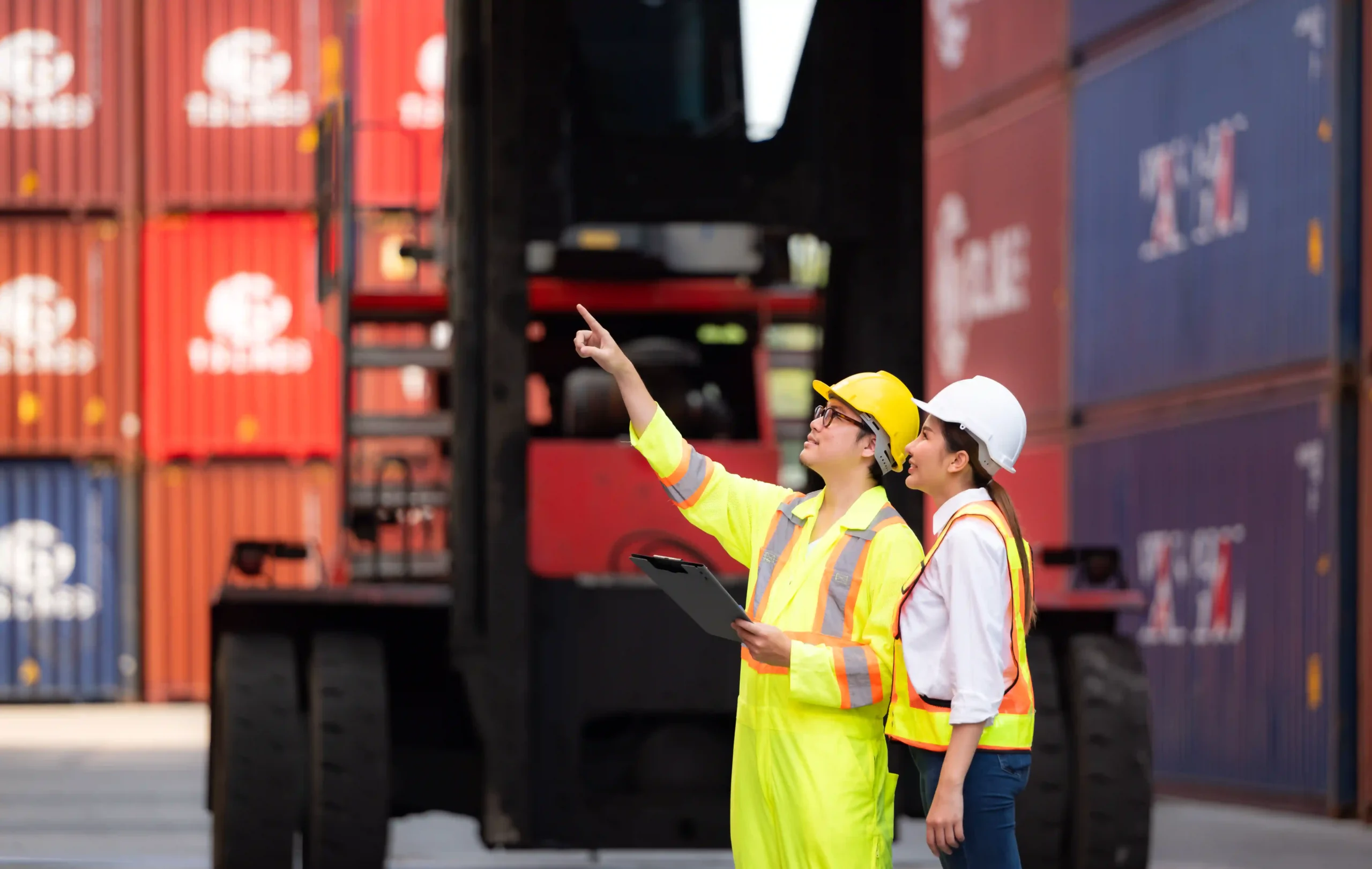
In today’s fast-paced world, logistics isn’t just about trucks and containers—it’s about data. That’s why every successful logistics and forwarding company now relies heavily on technology to streamline operations.
At Tri-Link FTZ, we’ve invested in digital tools that give our clients full shipment visibility. Through our online portal, clients can book, track, and access documents 24/7.
We use automated alerts to flag delays before they become problems and offer real-time reporting so clients can adjust inventory and sales strategies accordingly. Our global network of partners—built over three decades—allows us to move freight efficiently across continents with confidence.
Without that tech foundation and international reach, it’s easy to fall behind in a global economy. Read more here.
Many businesses don’t realize they’re outgrowing their current provider until it’s too late. If your shipments are routinely delayed, if your logistics costs are climbing without clear justification, or if communication feels like pulling teeth—it’s time to evaluate your options.
I’ve worked with companies who were afraid to switch providers because they thought the transition would be painful. But with the right onboarding and support (something we specialize in), the switch can be seamless.
We provide transition plans, assign dedicated account managers, and integrate with your systems quickly. If you feel like your current provider is holding you back, listen to that instinct.
A logistics and forwarding company should feel like a partner, not a problem.
I believe the best logistics work happens when communication is constant and clear. At Tri-Link FTZ, we make it a point to set expectations upfront and stick to them.
Our team holds regular check-ins with clients, whether monthly or weekly, to review KPIs and discuss improvements. We provide shared dashboards where everyone can view live shipment updates.
If something does go wrong—which can happen in logistics—we take responsibility and fix it fast. Our clients appreciate that, and it’s one reason many have stayed with us for over a decade.
Good communication isn’t just a “nice-to-have”—it’s the reason supply chains stay strong.
Finally, let’s talk about where this industry is heading. Sustainability is no longer optional—clients are asking us for greener options, and we’re responding with optimized routes, electric fleets, and carbon offset programs.
Automation is growing, especially in warehousing and last-mile delivery. Global volatility means more companies are looking for agile logistics strategies, like nearshoring or flexible sourcing.
Digital freight platforms are becoming more popular, offering businesses faster quoting and better transparency. And compliance is tighter than ever, which is why having a knowledgeable forwarding partner matters more now than it ever has.
At Tri-Link FTZ, we stay ahead of these changes so our clients don’t have to worry.
Share this article