Trade compliance meaning refers to how companies follow international, national, and regional laws when importing and exporting goods. It’s about staying on the right side of legal requirements so that goods can move across borders without causing trouble or delay.
In my 35 years running a third-party logistics company at Tri-Link FTZ, I’ve seen firsthand how important it is to get this right. Whether it’s customs paperwork, denied party screening, or tariff classification, even one small mistake can cost time and money.
Trade compliance ensures that the entire supply chain is operating within the rules, from the factory floor to the shipping dock.
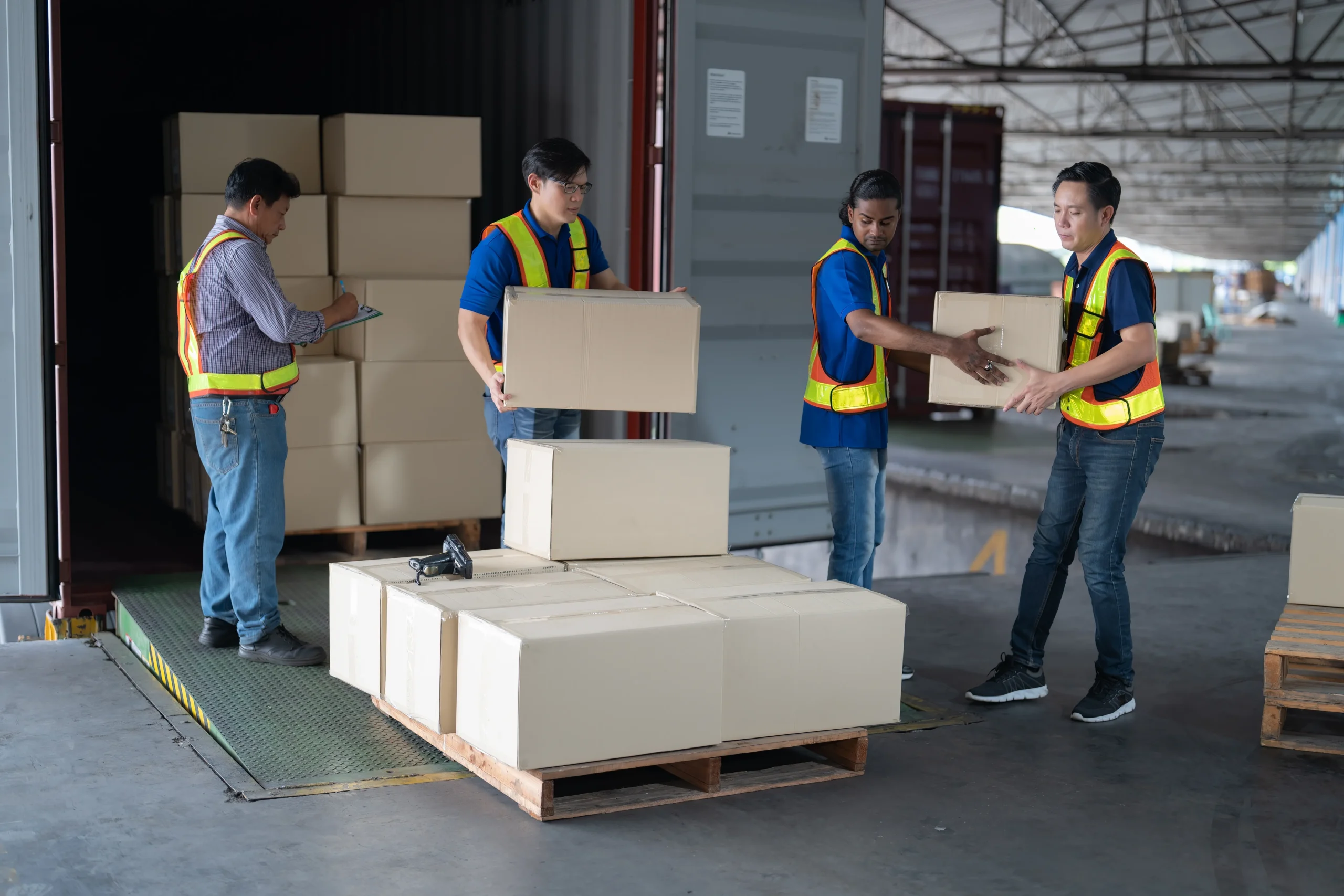
In today’s fast-moving world of global shipping, staying compliant is more than a rule—it’s a necessity. Companies need to move goods across borders quickly and efficiently.
But if your documents don’t line up with regulatory rules, you’re asking for trouble. I’ve watched shipments get delayed for days simply because someone mislabeled a cargo manifest.
And that’s just one example. There are so many moving parts—tariffs, licensing, embargoes, partner vetting—all of which fall under trade compliance.
Being compliant helps you avoid these headaches and builds trust with partners and government agencies alike. It keeps your operations running smoothly and your reputation solid.
The risks of skipping or overlooking trade compliance are bigger than most people think. First, there’s the financial impact—non-compliance can lead to fines that stretch into the millions.
Second, there’s reputational damage. I’ve seen good companies lose clients because of one poorly handled customs issue. When a company is flagged for non-compliance, it can get placed on watch lists or even denied future trade licenses.
On top of that, internal disruptions start to mount—missed delivery deadlines, higher legal costs, and stress on your staff. And if you’re in a highly regulated industry like defense, electronics, or pharmaceuticals, the penalties get even steeper.
Trade compliance meaning also includes knowing who makes the rules. There are a lot of agencies and laws in play.
Here are a few big ones:
Agency / Law | Role |
OFAC (Office of Foreign Assets Control) | Oversees sanctions and embargo lists |
BIS (Bureau of Industry and Security) | Handles export licensing and control of sensitive goods |
ITAR (International Traffic in Arms Regulations) | Controls military and defense-related exports |
CBP (Customs and Border Protection) | Enforces trade compliance at U.S. borders |
WCO/WTO | International organizations setting trade rules across countries |
Every country has its own compliance system. If you’re trading in Europe, Canada, or Asia, you’ll have to navigate even more local laws.
It’s a global maze, and the best defense is knowledge.

When it comes to trade compliance, knowing who makes the rules is just as important as following them. In the U.S., agencies like the Bureau of Industry and Security (BIS), Office of Foreign Assets Control (OFAC), and U.S. Customs and Border Protection (CBP) all play critical roles.
Internationally, you’ve also got regulatory bodies like the European Commission, the United Nations, and the World Trade Organization. Each country has its own laws, and they don’t always match up.
Over the years at Tri-Link FTZ, we’ve had to navigate tricky situations where one shipment was legal in one country but restricted in another. Staying ahead of these changes requires active monitoring and a sharp eye for regulatory shifts.
Trust me, the agencies won’t take “I didn’t know” as an excuse.
Trade compliance isn’t something that just happens—it takes planning and structure. The companies that succeed in this space usually have a dedicated trade compliance officer or team.
They run internal audits, keep policies up to date, and make sure everyone from warehouse workers to C-level execs understands the basics. At Tri-Link FTZ, we make sure our staff are trained regularly on denied party screening, export classifications, and proper documentation procedures.
One of the most useful tools is a centralized platform that tracks licenses, cargo, and regulatory changes in one place. This system helps us spot red flags early before they become real problems.
Without a plan, trade compliance becomes a guessing game—and that’s not a game you want to lose.
Over the years, we’ve handled thousands of shipments at Tri-Link FTZ, and I can say without hesitation that trade compliance touches every one of them. I recall one instance where a client didn’t screen a new supplier, and it turned out that vendor was flagged by OFAC.
If we hadn’t caught it through our compliance checks, they could’ve faced a major fine. In another case, we helped a tech company reclassify its products to reflect updated ECCN codes, saving them both time and tariff costs.
These real-world situations aren’t just hypotheticals—they happen every day. Being prepared is what separates smooth operations from expensive mistakes. Read more here.
If you’re looking to build or improve your own trade compliance strategy, there are a few non-negotiables. First, have a clear policy in place that outlines procedures for exports, imports, record-keeping, and training.
Second, make sure you’re screening every transaction against denied party lists from agencies like OFAC and BIS. Third, keep detailed documentation.
In the logistics world, if it’s not documented, it didn’t happen. Fourth, have dedicated staff or partners who live and breathe compliance.
And fifth, conduct regular internal audits. We use a quarterly review process at Tri-Link FTZ to make sure nothing slips through the cracks.
These steps keep your program strong, agile, and reliable.
Trade compliance may sound like a legal issue, but it’s also a technology issue. The right tools can make a world of difference.
We use screening software to check customers and suppliers against global denied party lists in real time. We also use analytics platforms to monitor trade flow data, ensuring we’re not missing anything critical.
For document management, cloud-based systems allow easy access and backup, which is essential when customs or regulators come calling. AI-driven tools can flag patterns that might indicate a compliance issue before it causes harm.
In short, smart tools save time and reduce risk, especially in high-volume operations like ours.
One thing I always tell clients: trade compliance is not a set-it-and-forget-it process. Rules change often—and fast. Sanctions can be issued overnight.
Tariffs can rise or fall depending on political shifts. Even product classifications change as new technologies emerge.
At Tri-Link FTZ, we have a system for tracking these updates weekly. We follow U.S. Customs bulletins, WTO guidance, and direct updates from federal agencies.
Staying informed is the best defense against falling behind or falling into trouble. Businesses that make trade compliance part of their ongoing strategy—not just a one-time effort—are the ones that thrive globally. Read more here.
After three and a half decades in the logistics and Foreign Trade Zone industry, I can tell you this: trade compliance isn’t just about following rules—it’s about building a system that protects your business, your people, and your partners. Understanding trade compliance meaning goes far beyond memorizing laws or checking boxes.
It’s a living, breathing part of your business that needs attention, structure, and constant improvement. At Tri-Link FTZ, we’ve learned this the hard way and the smart way—through real-world experience, careful planning, and investing in the right systems.
Whether you’re new to international trade or managing a global supply chain, trade compliance should be one of your top priorities. Because when it’s done right, it becomes a competitive advantage—not just a legal requirement.
Share this article